

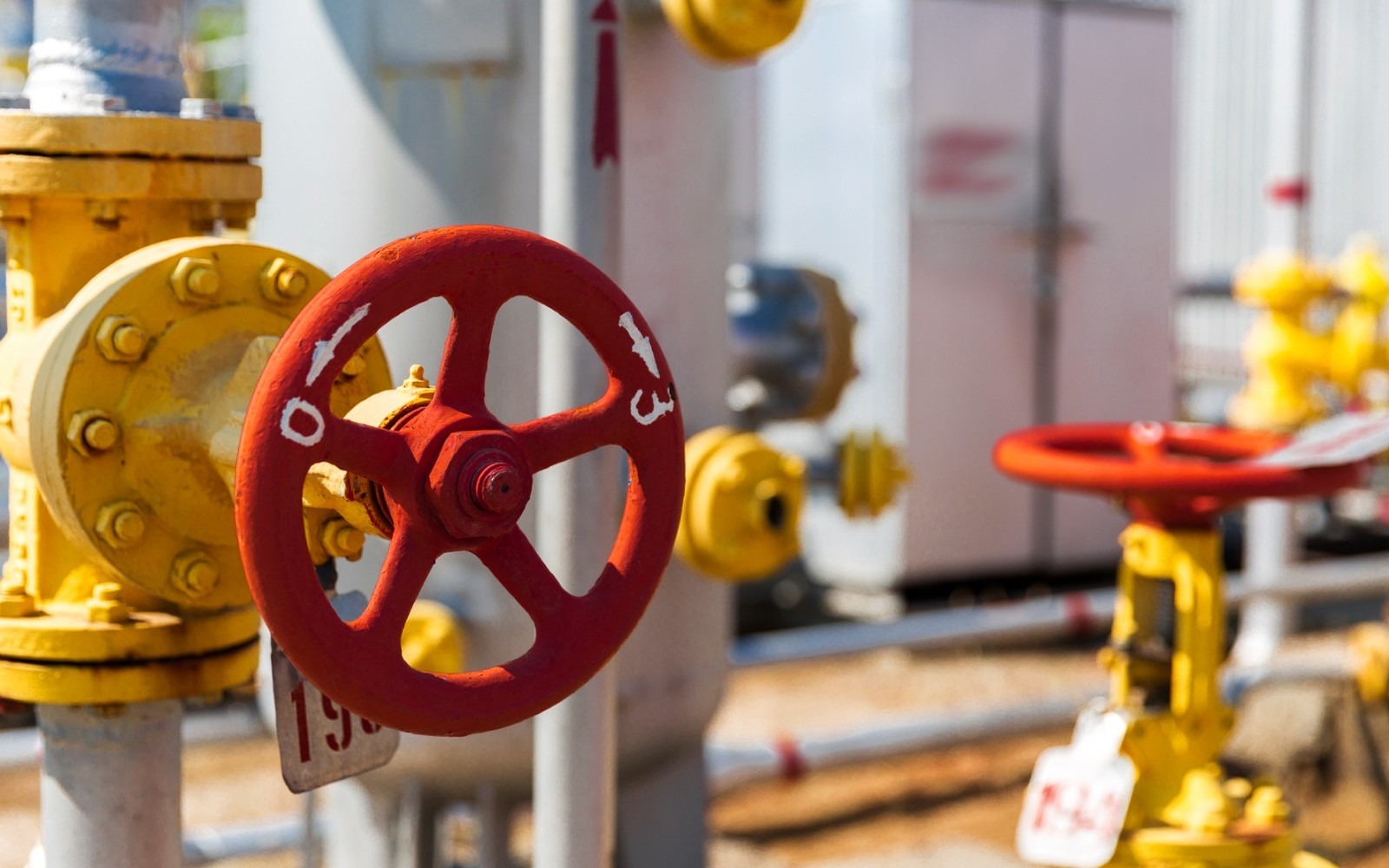
Independent Oil & Gas Producers
Independent producers: finance artificial lift, workover rigs, pumpjacks, frac tanks, and surface equipment. $50k minimum, B/C credit considered, 1-2 week.
A producing lease is only as productive as the surface equipment that keeps the wellbore making. For independents running a handful of wells or a few hundred, the capital decisions around lift systems, production equipment, and workovers are constant, and most of them hit the bank at the worst possible moment in the commodity cycle. We have been financing equipment for independent producers long enough to know the pattern, and we have structured deals that work across the cycle rather than only when prices are high.
The equipment types we see most from producers include pumpjacks and beam pumping units, artificial lift systems of all configurations, workover and well service rigs for maintenance and recompletions, frac tanks and storage batteries, and the surface production equipment that processes what comes up the wellbore. Our minimum is $50,000, with an short-form oilfield path up to roughly $400,000 for producers who qualify.
Who We Work With
Independent producers come in a wide range of shapes. Some are small operators with twenty to fifty wells across a single county, running on thin margins and doing their own well maintenance with a contract workover crew. Others are mid-size companies with hundreds of producing wells across multiple basins, a full staff, and more formal financial reporting. We work with both, and the underwriting approach adjusts accordingly.
What the independents we finance have in common is that they need capital to move, and they do not want to wait two months for a bank loan committee to approve a pumpjack purchase. The well is declining, the beam unit on location is failing, and a replacement has to be in the ground inside the week or production drops further. We close in one to two weeks, and on short-form deals we have answers in 24 to 48 hours.
We also work with producers who are in a tighter credit position than they would like. Commodity swings hit independents harder than the majors, and a stretch of low prices can put real stress on a credit file. B and C credit profiles are something we consider. The equity in the producing properties and the collateral value of the equipment both carry weight in how we look at the deal.
Surface Equipment Producers Finance Through Us
Artificial lift is where most producer financing starts. A Permian Basin lease running rod pump, or a shallower Midcontinent field converting to progressive cavity as production declines, both need lift equipment that matches the current wellbore conditions, not what was there at first production. We finance replacement rod pump units, ESP systems, and PCP configurations. The collateral is the equipment itself, and the underwriting is straightforward when the asset is in service on a producing well.
Workover rigs are another category we see regularly. Independents who want to run their own workover capability rather than contract it out need capital for the rig, and they often need a workover rig that is ready to roll on short notice. A used unit in solid mechanical condition, sourced from a reputable dealer or a private party in the basin, is a perfectly underwriteable asset.
On the surface production side, producers financing battery setups need heater treaters and separators to handle the produced fluid stream. Frac tanks for produced water storage, and storage tanks for crude holding, round out the typical battery. We can structure these as individual asset deals or as packages that cover the full battery buildout.
- Rod pump units and beam pumping equipment
- ESP and PCP artificial lift systems
- Workover and well service rigs
- Heater treaters and separators
- Crude storage and frac tanks
- Vacuum trucks for fluid management
Refinancing and Cash-Out Options for Producers
Producers who own surface equipment outright and need capital have two clean options beyond selling the iron. The first is a cash-out refinance if there is an existing loan with equity above the payoff. We pay off the current lender, restructure the loan, and the difference comes to you as working capital. That cash can cover operating expenses, fund a recompletion, or go toward picking up acreage.
The second option is a sale-leaseback. On equipment you own free and clear, we purchase it and lease it back immediately. The equipment stays on location, production continues uninterrupted, and you receive the purchase price as usable capital. For producers managing cash across a down cycle, converting idle equipment equity into cash without disrupting operations is exactly what that structure is designed to do.
We have seen producers use sale-leaseback proceeds to fund plugging obligations on dead wells, buy out a partner's interest, or bridge through a low-price stretch until cash flow recovers. The specific use does not change the structure, and we do not dictate how the capital is deployed.
How the Process Works
Submit an application with basic business information and the details on the equipment you need. For transactions at or below roughly $400,000, that is the underwriting package. We pull credit, review the application, and respond within 24 to 48 hours with an approval or a request for the bank statements that would allow us to get there.
Above that threshold, recent operating statements come into the process. We are not asking for tax returns or two years of audited financials. Producers who have seasonal or commodity-driven revenue patterns should be prepared to explain what the statements show, and we will ask straightforward questions if something needs clarification.
Funding follows approval. Most deals close within a week to two weeks of the application going in. If you are buying from a dealer, we send proceeds directly. Private-party purchases require clear title documentation and a confirmed payoff of any existing liens, which adds a day or two to confirm. Oilfield trucking companies operating out of the same basin often work alongside producers and have their own equipment financing needs through our oilfield trucking financing team.
Start Your Application
Whether you are replacing a failing pump unit, adding workover capability, or building out a battery on a new lease, we can structure financing around what you actually need. Short-form up to roughly $400,000, B and C credit considered, and most deals fund in one to two weeks. Submit your application or call us to talk through the equipment and the deal structure before you fill anything out.
Can I finance a pumpjack I am buying from a neighboring operator who is shutting in the well?
Yes. Private-party purchases are common in the rod pump market and we handle them regularly. We need the equipment details, confirmation the seller has clear title, and any documentation of recent service or maintenance. Private-party deals typically close on the same timeline as dealer purchases once we have the title cleared.
My company had a bad two years when oil dropped. Can I still get approved?
We work with B and C credit and we know that commodity cycles create credit blemishes that do not reflect how a business is being run today. We look at current cash flow via bank statements, the collateral value of the equipment, and the overall credit picture. A producer running profitably at current prices has a meaningful case even with a rough year in the history.
Can I roll multiple equipment purchases into one deal, like a workover rig and a replacement pump unit at the same time?
Yes. We can structure a single loan covering multiple assets, which simplifies the paperwork and often improves the payment structure versus doing them as separate transactions. Give us the full list of what you are looking to acquire and we will structure it as one package.
I own a tank battery and some surface equipment free and clear. Can I borrow against it?
Yes, either through a cash-out refinance if there is no existing lien, or through a sale-leaseback structure. We buy the equipment at an agreed value, you receive the proceeds, and you continue using it under a lease with a buyout option at the end of the term. This is a straightforward way to convert equipment equity into working capital.
What is the minimum deal size you work with for independent producers?
Our minimum is $50,000. Most of the producer deals we do are running about $100k to $150k and higher, but we do work with smaller producers on deals at or above the minimum when the collateral and credit profile support it.
Questions before you send the file.
Straight answers about independent oil & gas producers, documentation, timing, and equipment eligibility.
Can I finance a pumpjack I am buying from a neighboring operator who is shutting in the well?
Yes. Private-party purchases are common in the rod pump market and we handle them regularly. We need the equipment details, confirmation the seller has clear title, and any documentation of recent service or maintenance. Private-party deals typically close on the same timeline as dealer purchases once we have the title cleared.
My company had a bad two years when oil dropped. Can I still get approved?
We work with B and C credit and we know that commodity cycles create credit blemishes that do not reflect how a business is being run today. We look at current cash flow via bank statements, the collateral value of the equipment, and the overall credit picture. A producer running profitably at current prices has a meaningful case even with a rough year in the history.
Can I roll multiple equipment purchases into one deal, like a workover rig and a replacement pump unit at the same time?
Yes. We can structure a single loan covering multiple assets, which simplifies the paperwork and often improves the payment structure versus doing them as separate transactions. Give us the full list of what you are looking to acquire and we will structure it as one package.
I own a tank battery and some surface equipment free and clear. Can I borrow against it?
Yes, either through a cash-out refinance if there is no existing lien, or through a sale-leaseback structure. We buy the equipment at an agreed value, you receive the proceeds, and you continue using it under a lease with a buyout option at the end of the term. This is a straightforward way to convert equipment equity into working capital.
What is the minimum deal size you work with for independent producers?
Our minimum is $50,000. Most of the producer deals we do are running about $100k to $150k and higher, but we do work with smaller producers on deals at or above the minimum when the collateral and credit profile support it.
Quote desk
Get terms on Independent Oil & Gas Producers.
Send the asset details, seller quote, and target timing. We will review the request and tell you what documentation is needed next.