

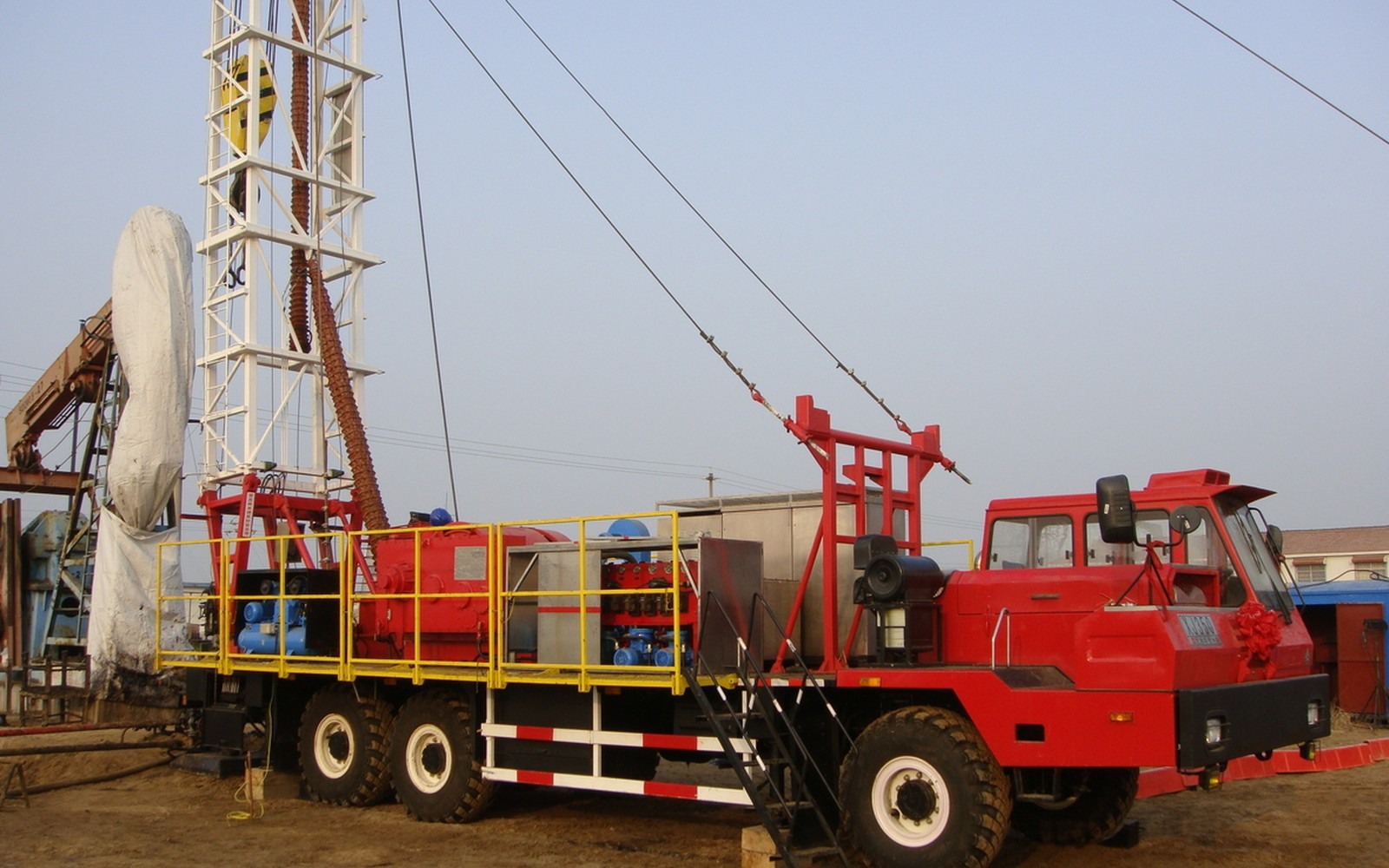
Artificial Lift Equipment Financing
Finance artificial lift systems including ESP, PCP, gas lift, plunger lift, and beam pump equipment for oil and gas production. B/C credit considered, 1-2 week.
Most oil wells in the US need some form of artificial lift within a few years of first production, and the selection of lift method is one of the most consequential capital decisions an independent producer makes. Electric submersible pumps for high-rate wells, progressing cavity pumps for viscous crude and sand-laden streams, gas lift for wells with adequate casing pressure, and beam pump units for the vast majority of stripper-rate producers: each method requires purpose-built equipment, each carries a different capital cost profile, and each earns a different return against the production it enables.
We finance the full spectrum of artificial lift equipment for independent oil and gas producers and for the service companies that install and maintain this equipment on contract. The capital range for artificial lift transactions starts at our $50,000 minimum, which is reachable on a single ESP installation or a small group of beam pump units, and extends well into the high six figures for multi-well ESP programs or complete gas lift system installations.
Artificial lift financing connects directly to production economics. A well that is underlifted by the wrong system or an undersized pump is losing barrels every day. Getting the right equipment financed and installed fast is a revenue decision, not just an equipment decision.
Artificial lift methods and their financing characteristics
Each lift method presents a distinct collateral and financing profile. Electric submersible pump systems consist of a downhole motor and pump assembly, a power cable, and surface-mounted control panels and transformers. The downhole components are technically collateral but are difficult to recover without a workover operation, which means lenders focus heavily on the surface equipment and the well's production economics when structuring ESP financing. ESP installations from major suppliers running about $80k to $300k are common financing requests.
Progressing cavity pump systems use a surface-mounted drive unit, rod string, and downhole PCP assembly. The surface drive unit is recoverable and forms the primary collateral asset. PCP systems are common in heavy oil applications in California and Canadian imports, and in sand-prone wells where beam pumps struggle with erosion.
Gas lift compressors and injection equipment represent a different asset class that overlaps with our gas compression financing program. Where gas lift installations require purchased compression equipment, that portion of the project can be financed under either the compression or artificial lift program depending on how the transaction is structured.
Beam pump units are the most straightforward collateral in the artificial lift space because they are surface-mounted, recoverable, and have an active secondary market. We cover them in more detail in the pumpjack financing section.
Who benefits from financing artificial lift equipment
The buyer profile for artificial lift financing is predominantly independent producers in the 10 to 200 well range who are managing their artificial lift transitions as production rates decline or well conditions change. An operator converting a batch of wells from natural flow to ESP production, or from beam pump to PCP as sand production increases, may need to finance five to twenty installations simultaneously. Bundling those into a facility rather than handling each installation separately saves time and administrative overhead significantly.
Well service companies that provide artificial lift installation on a turnkey or contract basis also finance the equipment they purchase for client installations, particularly when they take ownership of the lift system and lease it back to the operator under a production-tied agreement. These service company transactions typically involve recurring purchases as their contract base grows.
Operators dealing with workover and well service companies often co-finance the lift equipment as part of a broader workover project that includes tubular replacement, completion repair, or re-perforation work. We can structure financing that covers the artificial lift equipment specifically, leaving the workover service costs to be handled separately.
Timeline and application process
Artificial lift financing applications require the equipment specification (lift type, size, brand, and configuration), the total purchase price, and business background information. Short-form approval is available for packages under approximately $400,000, which covers a meaningful number of lift installations for most independent producers. The credit decision on an short-form deal typically comes back in two to three business days.
Larger programs, particularly multi-well ESP projects or gas lift installations with surface compression, require bank statements and sometimes a prior year return. The production data from the affected wells is often useful supporting documentation: a well-level production history and current IP data gives lenders context on what the equipment investment is intended to produce.
Once approved, the documentation package is standard for equipment financing and most files close after equipment and seller review. Operators who are purchasing equipment from the OEM or a distributor can often coordinate delivery timing with the financing close date to minimize the gap between funding and installation. For operators buying used equipment through private party channels, our private party financing program handles those transactions on the same timeline.
Buyers in this category often compare Short-Form Oilfield Financing, and Working Capital Loans.
Questions before you send the file.
Straight answers about artificial lift equipment financing, documentation, timing, and equipment eligibility.
Can I finance an ESP installation where most of the cost is the downhole pump and motor that are not recoverable?
Yes. ESP systems are a recognized category in oilfield equipment financing, even though the downhole components are difficult to recover. Lenders underwriting ESP transactions focus on the surface control equipment, the well's production profile, and the operator's overall portfolio of producing assets as the credit backstop. The surface panel and transformer alone do not represent the full collateral, but the production they enable is what drives the repayment case.
My wells are in a basin with variable production rates. Can the payment structure flex with production?
Standard equipment loans and leases carry fixed payments rather than production-tied payments. If cash flow variability is a concern, structuring a shorter-term loan with a lower monthly payment, or timing the financing to align with your strongest production months, is a better approach than trying to build a variable-payment structure, which most equipment lenders do not offer.
Can I finance the downhole components and the surface equipment separately from different lenders?
Technically yes, but practically this creates lien complexity. If both lenders take security interests in the same installation, priority questions arise in a default situation. A single lender covering the full installation avoids that problem. We recommend keeping the complete installation under one financing arrangement.
I need to replace the artificial lift on 12 wells over the next six months. Is a revolving facility an option?
A master credit facility that allows multiple draws over time as each installation is completed is a common structure for multi-well lift programs. The total facility amount is approved upfront based on the total project scope, and each draw is funded as individual installations are invoiced. This avoids the need for a new approval on each of the 12 installations.
The artificial lift equipment I need is from a supplier that has since been acquired by a larger company. Does that affect financing?
It can affect the replacement parts and service support picture, which lenders may ask about if the original brand is no longer independently serviced. If the acquiring company has assumed the parts and service obligations under the original brand, that continuity is reassuring. If not, the lender may factor in higher maintenance risk when valuing the collateral.
Quote desk
Get terms on Artificial Lift Equipment Financing.
Send the asset details, seller quote, and target timing. We will review the request and tell you what documentation is needed next.