

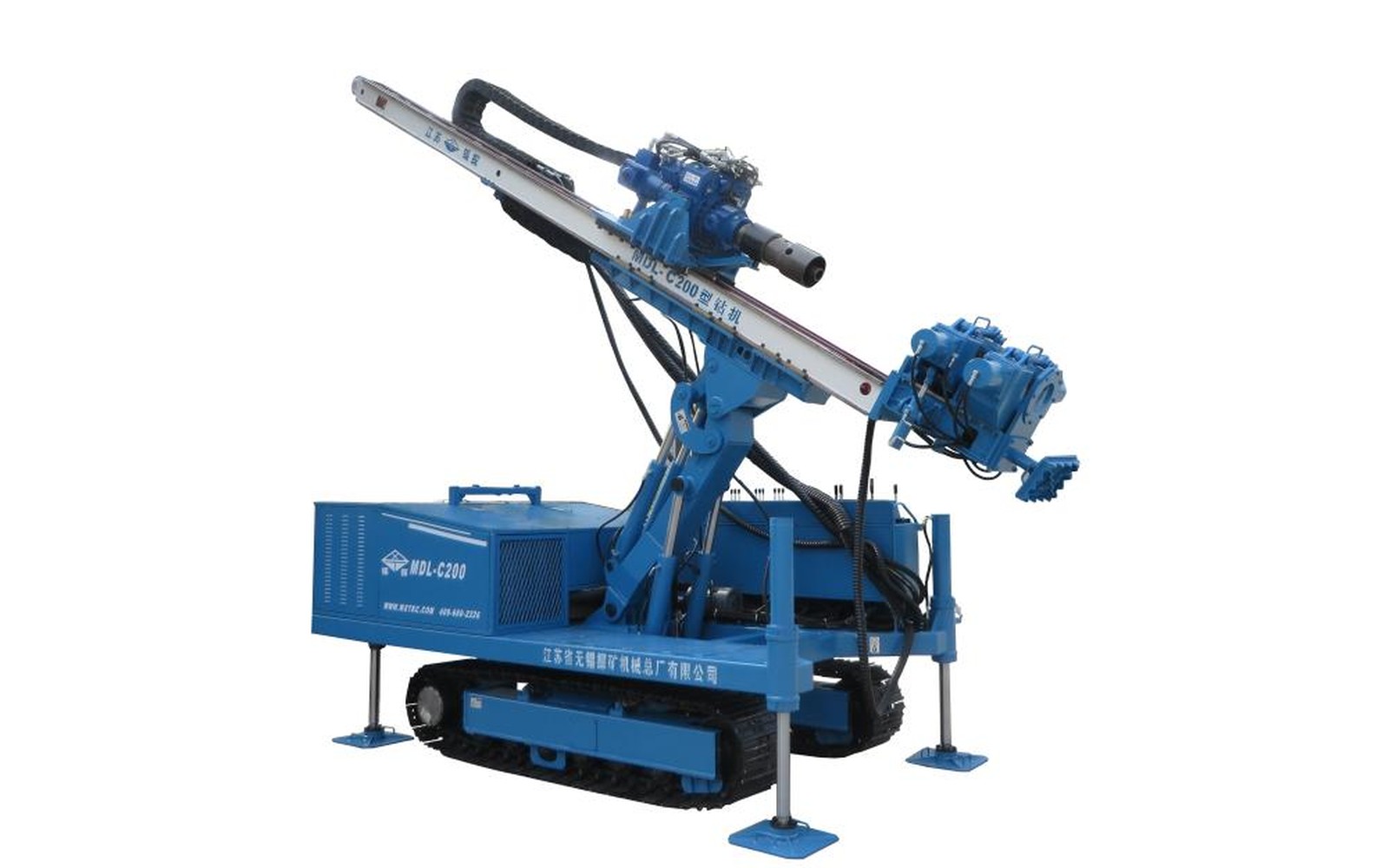
Drilling Rig Financing
Finance new or used drilling rigs with loans, leases, and sale-leaseback options. B/C credit considered. short-app funding to $400k. Oilfield lender review after the complete file.
The Permian and the Williston don't wait for slow money. Operators putting rigs back to work in active basins need capital that moves at the pace of a signed day-rate contract, and that's exactly what our drilling rig financing is built to deliver. Whether you're mobilizing a single 1,000-horsepower mechanical rig for a shallow formation in the Anadarko or spec-building a 1,500-horsepower AC-drive unit for the Delaware Basin, the equipment cost runs well past what most companies want to carry out of operating cash.
We finance new and used drilling rigs from $50,000 into the multi-millions. Our minimum deal is $50,000, with the sweet spot sitting between $100,000 and $150,000 and up. Structures include equipment loans, oil and gas equipment leases, and equipment sale-leaseback arrangements for operators who need to free capital already tied up in iron. B/C credit histories get a real look here; we work with companies at every credit tier, not just the clean ones.
What Lenders Actually Look at on a Drilling Rig
A drilling rig is a collection of major iron: the drawworks, the rotary table or top drive, the mud system, the substructure, and the power package. Each of those components carries its own residual value, and a lender that understands oilfield equipment evaluates them as a system, not as a pile of steel. Mechanical rigs using diesel-electric or direct-drive power packages have different resale markets than modern AC VFD-drive units, and that matters when the lender is underwriting collateral.
Horsepower ratings, hook load capacity, mast height, and rated working depth all feed into what the rig can realistically contract for and how liquid the secondary market would be if the note went bad. We know that math. For a drilling contractor running a small fleet in the Permian Basin or the Eagle Ford, used iron financed correctly can outperform new iron bought wrong. We look at the utilization history, the contract situation, and the mechanical condition report rather than just the year and serial number.
- Power packages: mechanical, diesel-electric, AC VFD-drive
- Drawworks ratings from 500 HP to 3,000 HP and up
- Mast and substructure rated working depths from 10,000 to 30,000 feet
- Mud system capacity: pit volume, pump ratings, solids control equipment
New Versus Used Rigs: Where the Financing Math Shifts
New drilling rigs from major OEMs carry purchase prices that push well past the short-form threshold. A new purpose-built land rig for unconventional plays can run several million dollars before mobilization costs. Most of those deals need full documentation: three months of bank statements, the operating company's financials, and a clear picture of the contract supporting the iron. We work that full-doc path and have done it for drilling contractors from Midland, TX to Casper, WY.
Used rigs are where a lot of independent contractors find their first leverage. A quality used unit that inspects well can often be financed on an short-form basis up to roughly $400,000. That removes the paperwork hurdle for smaller operators who don't have three years of audited financials sitting in a drawer. If you're buying a used rig from another contractor or through an equipment broker, we also handle private-party equipment financing so you're not limited to dealer inventory.
Pulling Capital Out of a Rig You Already Own
A lot of contractors reach a point where the rig is paid off but the company is cash-light on a new contract. A cash-out refinance on iron you already own turns that equity into working capital without selling the equipment. The structure works the same way a mortgage cash-out does: we put a new lien on the rig, pay off any existing balance, and send the difference to your operating account. Terms depend on the rig's current appraised value and your company's credit profile.
A sale-leaseback is a variation on that theme for operators who want a cleaner structure: we buy the rig at appraised value, you lease it back at a monthly payment, and you keep running it on location. It's especially useful when you need to improve the balance sheet or free capital to bid on additional contracts. The rig never leaves the yard, but the cash shows up on your statement.
How Fast We Can Move on a Drilling Rig Deal
Short-form deals under roughly $400,000 can often reach credit decision within 24 to 48 hours and fund inside a week. Full-documentation packages on larger rigs typically take one to two weeks from complete submission to wire. The difference between those timelines is almost entirely paperwork readiness on the borrower's side. If you have a signed contract, three months of bank statements, and a quote or purchase agreement, we can move fast.
Common friction points that slow deals: unclear title on used iron, missing inspection reports, and gaps in operating history documentation. We'll flag those early and tell you what we need rather than letting a deal sit. For contractors working in basins like the Bakken or the Utica, where mobilization windows can be tight, speed isn't optional.
Questions before you send the file.
Straight answers about drilling rig financing, documentation, timing, and equipment eligibility.
Can I finance a drilling rig with a tax lien or prior bankruptcy?
B/C credit situations, including past tax issues and bankruptcies that have been discharged, get a real review from lenders in our panel. Approval isn't guaranteed, but we work with lenders who specialize in distressed credit rather than routing you to a bank that will decline in 48 hours. The strength of the underlying contract and the rig's collateral value both factor into the decision.
How much do I need to put down on a used drilling rig?
Down payment requirements vary by lender, deal size, and credit tier. Clean credit deals on well-documented used rigs can sometimes structure at 10% down. B/C credit or thinner operating history typically requires 15% to 25% down. Application-only deals under $400,000 have their own approval criteria that don't always require a formal down payment percentage.
Can I finance a rig that is currently on location and operating?
Yes. A rig actively running under a day-rate contract is generally easier to finance, not harder, because the cash flow is demonstrable. If you're doing a sale-leaseback or a cash-out refinance on a working rig, we structure around the current contract and work to avoid any interruption to operations.
What is the minimum I can borrow for drilling rig financing?
Our minimum transaction size is $50,000. Most drilling rig deals fall well above that threshold, but components, sub-systems, or partial rig packages can sometimes sit near the minimum. If your deal is below $50,000, we are not the right fit.
Do you finance rigs bought from other drilling contractors rather than dealers?
Yes. Private-party purchases between operators are a common structure in the oilfield. We handle those deals through our private-party equipment financing program. You'll typically need a purchase agreement, an equipment inspection report, and clear title documentation from the selling party.
Quote desk
Get terms on Drilling Rig Financing.
Send the asset details, seller quote, and target timing. We will review the request and tell you what documentation is needed next.