

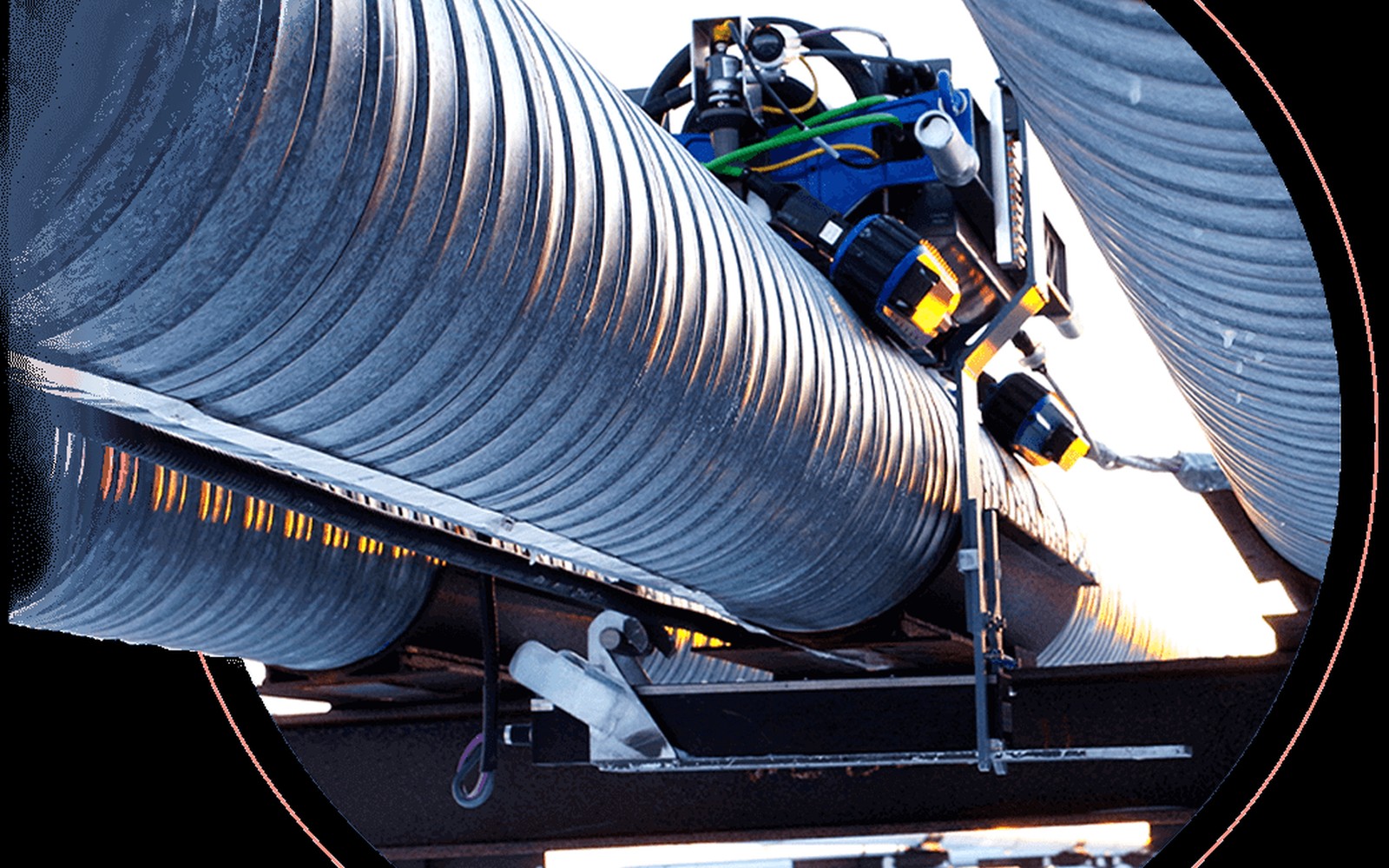
Midstream Operators
Financing for midstream operators: compressor packages, pipeline construction gear, storage tanks, and processing equipment. $50k minimum, closing after field-ticket review.
Midstream is where throughput becomes revenue, and the equipment that moves it has to stay in service. A compressor package that sits waiting on a purchase order is gas that is not flowing, and in a business where gathering contracts run on throughput commitments, that is not an abstract concern. We finance the iron that keeps midstream operations running: compressor packages, separator trains, crude and condensate storage tanks, pipeline construction spreads, and the support equipment that holds it all together.
Our minimum is $50,000. The work we do most is in the $100,000 to $150,000-plus range, though we regularly structure larger projects for operators adding gathering capacity or expanding compression networks. Short-form approval goes up to roughly $400,000. Above that we pull three months of bank statements and move from there. Most deals close in one to two weeks.
The Equipment Midstream Operators Actually Finance
Compression is the core of most midstream financing requests. Whether you are adding a compressor package to a gathering system or replacing aging units on a long-haul line, the capital requirement is substantial. Ariel reciprocating compressors paired with Waukesha or Caterpillar prime movers are the most common configuration we see in gathering, and used units in serviceable condition qualify alongside new iron.
Pipeline construction equipment is another significant category. Operators building new takeaway lines or lateral tie-ins need pipelaying equipment, sidebooms, trenching machines, and welding rigs. We finance both the prime movers and the support iron for those spreads, and we can structure the deal around the project timeline if you need staged draws.
Storage infrastructure, including separators, heater treaters, and tank batteries, also comes through our desk regularly. These assets hold value well in the secondary market, which makes them straightforward to underwrite even on deals with some complexity in the credit profile.
- Compressor packages and skid-mounted compression trains
- Pipelaying and trenching spreads
- Separator and heater treater systems
- Storage tanks (crude, condensate, produced water)
- Gas dehydration units and processing skids
- Generator sets for remote station power
How Midstream Capital Cycles Work
Midstream operators often face timing pressure that upstream operators do not. A producer commits to a gathering agreement, the clock on first gas starts ticking, and the midstream company has to have compression and pipe in the ground before that date. Capital that moves in 30 to 60 days does not fit that schedule. Deals that close in one to two weeks do.
We have also seen midstream companies come to us during the down cycles looking to refinance equipment they own outright. A Equipment Sale-Leaseback on a compressor station or a gathering skid can put working capital back on the balance sheet without selling the asset permanently. The equipment stays in operation, you continue to use it, and the cash goes where you need it, whether that is covering operating costs during a soft quarter or positioning to add the next segment of line when basin activity picks back up.
Operators headquartered in gathering-heavy basins such as the Permian, Marcellus, DJ Basin, or Haynesville know this pattern well. Basin activity runs in cycles, and the midstream companies that survive multiple cycles are the ones that manage their capital structure across the up and the down.
New and Used Compression Equipment
The used compression market is deep enough in most basins that buying new is often not the default choice. A reconditioned Ariel-driven compressor package with documented service history frequently makes more economic sense than a new unit, especially for gathering applications where the compression ratio requirements are not extreme and the unit will run at or near continuous duty.
We finance both. On used equipment, we look at age, service history, and whether the unit has had a recent overhaul or is due for one. A package that was recently rebuilt at a reputable shop in Midland or Odessa is a different credit than a unit that has not been touched in years. We ask the right questions, and if you know what you have, the underwriting moves quickly.
For operators buying from a private party rather than a dealer, we handle private-party equipment financing as well. That is common in the compression business where relationships between operators drive most equipment transactions outside the formal dealer channel.
What We Need to Get Started
For transactions up to roughly $400,000, the application is the underwrite. We pull credit, review the application, and in most cases have a decision within 24 to 48 hours. Above that threshold, recent operating statements become part of the package. We are not running a lengthy credit committee process, and we do not ask for audited financials on equipment loans at this level.
Credit profile matters but it does not gate you out. We work with B and C credit, and we have structured deals for midstream operators who had a rough year during a down cycle and are now running well. The current revenue picture and the equipment's collateral value carry a lot of weight in how we underwrite. If your business has improved since the hard year, bring us the bank statements and let the current numbers speak.
Operators looking at a refinance on existing equipment should have the current lender's payoff and a copy of the title or lien documentation. We can turn those around quickly and often improve the payment structure meaningfully.
Questions before you send the file.
Straight answers about midstream operators, documentation, timing, and equipment eligibility.
Can I finance a used compressor package that I am buying from another operator?
Yes. Private-party transactions are something we handle regularly in the compression market. We need the equipment details, documentation of condition or recent service history, and confirmation of clear title. The process is largely the same as buying from a dealer, though it may take an extra day to confirm the lien status.
My gathering company had two hard years during the last downturn and my credit score took a hit. Can I still qualify?
Credit score is one input, not the whole picture. We look at current bank statement cash flow, the collateral value of the equipment, and where your business is today. If you are running profitably now and the equipment is solid collateral, we can often work with the credit history. Bring us the last three months of bank statements and we will tell you what is possible.
How does a sale-leaseback work for a compression station I already own?
We buy the equipment from you at an agreed value and immediately lease it back so your operations are not disrupted. You receive the purchase price as cash, continue using the equipment under a lease, and at the end of the term you typically have a buyout option. It is a way to turn equipment equity into working capital without selling the asset permanently or disrupting throughput.
Can I get staged funding for a pipeline construction project that spans several months?
Yes, we can structure draws tied to project milestones rather than releasing the full amount at close. This is common on larger pipeline construction spreads where equipment arrives in phases. The structure depends on the project scope and lender, and we will walk through the options when we review your application.
Do you finance gathering system infrastructure in states beyond Texas?
We finance midstream equipment nationally. Permian, Marcellus, Haynesville, DJ Basin, Bakken, Uinta, and other active gathering areas all come through our desk. The underwriting process is the same regardless of location.
Quote desk
Get terms on Midstream Operators.
Send the asset details, seller quote, and target timing. We will review the request and tell you what documentation is needed next.