

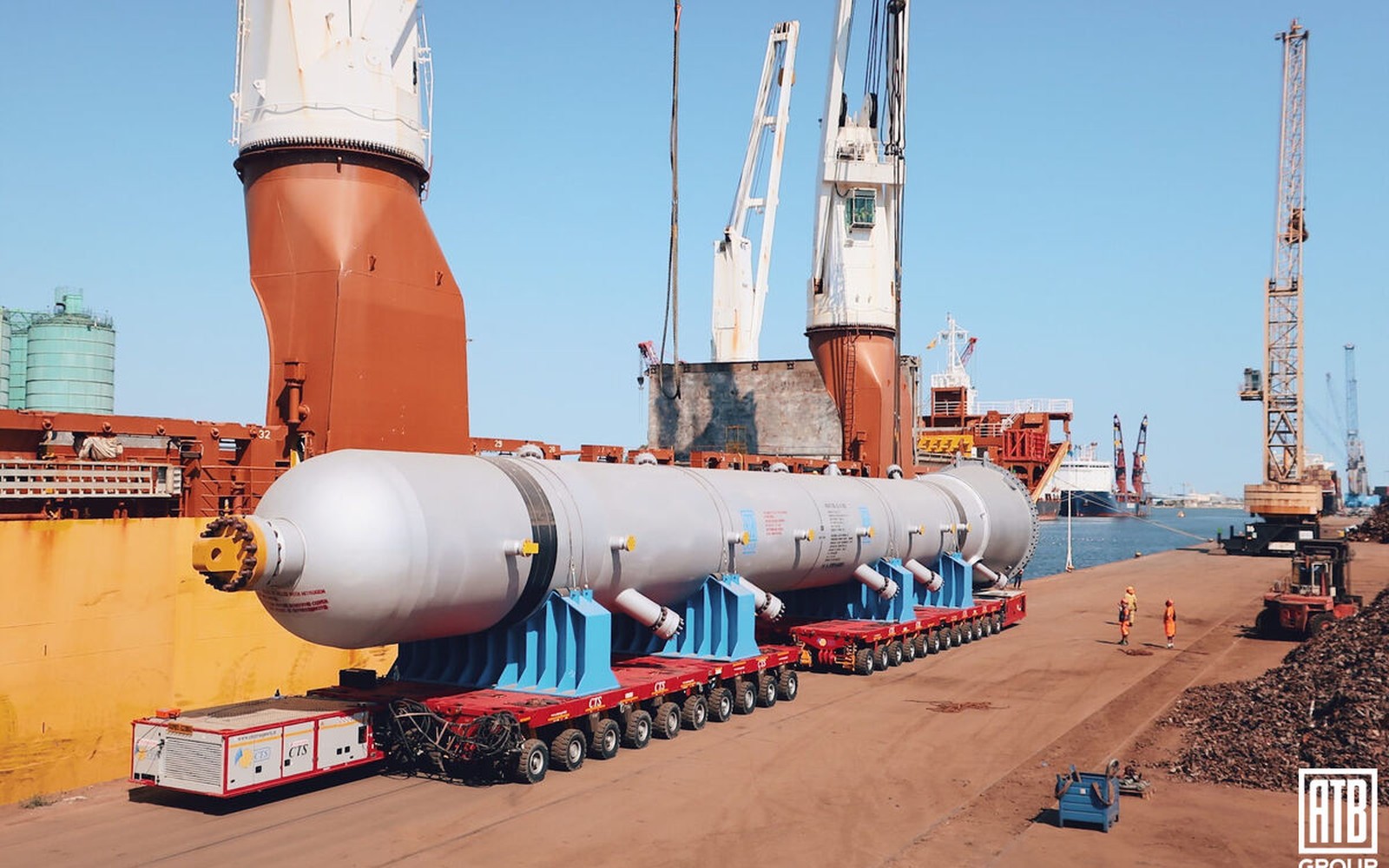
Separator Financing
Finance two-phase and three-phase separators for oil, gas, and water production separation. Loans, leases, and sale-leaseback for production equipment. Fund in.
Production equipment doesn't generate revenue by sitting on a skid waiting to be financed. A separator that is installed at a wellhead or production battery is separating phases, routing product, and enabling the oil sales that drive the operator's cash flow. Every day a well produces without a properly sized separator in the flow string is a day of potential production losses, regulatory exposure, or both. Operators moving from pad drilling into production understand this fast, and the capital requirement for production equipment comes up right behind the completion capital.
We finance separators in the full range of production configurations: two-phase (gas/liquid) and three-phase (oil/gas/water) units, vertical and horizontal vessel orientations, low-pressure and high-pressure rated vessels, and trailer-mounted portable units as well as skid-based permanent installations. Deals start at $50,000 and range into the millions for large-bore, high-pressure horizontal three-phase separators used on high-rate completions. We work with independent oil and gas producers and oilfield production equipment rental companies that lease separator packages to operators across a basin.
Separator Equipment: How Configuration Drives Collateral Value
The operating pressure rating and vessel diameter are the two primary specifications that determine a separator's value and what wells it can handle. A separator rated for 250 PSI working pressure handles a different range of wellhead conditions than one rated at 1,440 PSI, and a vessel rated for high-pressure service carries a corresponding price premium. The American Society of Mechanical Engineers (ASME) stamp on a pressure vessel is a legal and market requirement: an ASME-stamped vessel has been manufactured and tested to code and can be permitted and operated in virtually any state jurisdiction. A non-stamped vessel raises immediate questions about permittability and lender appetite.
Vessel diameter, expressed in inches, and vessel length determine throughput capacity. A 36-inch by 10-foot horizontal three-phase separator handles a meaningfully different gas and liquid rate than a 30-inch by 7-foot unit. Nozzle and connection configuration matters for field installation: the arrangement of inlet, gas outlet, oil outlet, water outlet, and safety relief connections must match the production system being served, and mismatched vessels require modification that adds cost to the installation. Separator internals (mist extractors, vortex inducers, weirs, and level control systems) affect the quality of separation and can be refurbished or replaced on older vessels, which is information lenders find useful when evaluating the secondary market value of used equipment.
- ASME pressure vessel certification is required for financing and for legal installation in all major oil and gas producing states
- Operating pressure ratings: common ranges include 250, 720, 1,000, and 1,440 PSI working pressure
- Vessel diameter and length determine gas and liquid throughput capacity
- Three-phase units separate oil, gas, and water simultaneously; two-phase units separate gas from combined liquids
Who Finances Separators and Why
Independent oil and gas producers who are moving from completion into production are the most direct buyer profile. After a well has been fraced and is flowing back, the operator needs production equipment at the wellhead to manage the phase separation. A properly sized separator, combined with a heater treater for oil treating and appropriate storage, is the minimum infrastructure to get oil to the sales point and water to a disposal facility. Operators who try to share separators across multiple wells or use undersized vessels often encounter either produced water carryover into the oil sales stream or gas flaring situations that create regulatory exposure.
Oilfield production equipment rental companies represent a large financing demand for separator assets. A rental company that keeps an inventory of separator packages of various sizes available for short-term or long-term deployment to operators who don't want to own their production equipment needs capital behind that inventory. Separator rental companies operating in the Permian Basin, the Midcontinent, and the Appalachian region finance separator packages on the same basis as other production equipment: the asset value supports the loan, and the rental revenue stream services the debt. Operators based in Midland, TX, Oklahoma City, OK, and Clarksburg, WV all have active production equipment markets where separator financing has a clear use case.
Sale-Leaseback and Refinancing for Production Equipment Companies
An oilfield rental company with a paid-down separator inventory can convert that equity to capital through a Equipment Sale-Leaseback without removing the equipment from service. The rental company sells the separator package to a financing entity at current market value, receives the cash proceeds, and leases the equipment back under a multi-year term. The rental company continues to deploy the separators to its customers. The cash from the sale-leaseback can fund additional inventory acquisition, entry into a new basin, or any other capital use the company has identified.
For producers who own production equipment free and clear, a sale-leaseback can generate capital that gets reinvested into drilling or completion work. A producer in the Delaware Basin who owns ten separator packages across their production battery can unlock meaningful capital from that iron without selling wells or reducing production. Cash-out refinancing against production equipment you already own is the alternative path if you prefer a loan structure over a leaseback arrangement. Either structure requires a current appraisal or market value estimate of the equipment, which we can help facilitate as part of the application process.
Questions before you send the file.
Straight answers about separator financing, documentation, timing, and equipment eligibility.
Can I finance a skid-mounted separator package that includes the separator vessel, heater treater, and control system as a complete unit?
Yes. Skid-mounted production packages are a common financing target, and bundling the separator, heater treater, and control panel into a single facility is practical when the components are permanently mounted together. The package is described as a single production skid with component list, and the combined value supports the financing amount. Packages that include metering and SCADA components may have additional documentation requirements to verify the value of the instrumentation included.
We want to finance a used separator that has been in storage for several years. Is that possible?
A separator that has been in storage rather than active service is financeable, but the lender needs comfort on the condition of the pressure vessel. An inspection and pressure test by a qualified vessel inspector or an ASME-certified inspection company gives the lender the documentation they need. Vessels that have been stored outdoors for extended periods may have corrosion on external surfaces that doesn't affect the structural rating but does affect appearance and potentially auction value. An inspection report that distinguishes cosmetic issues from structural ones is what we look for.
How do lenders handle separator vessels that are being custom-fabricated rather than purchased from inventory?
Progress payment financing for a separator being fabricated by a pressure vessel manufacturer is available on deals that meet the minimum size and where the fabricator is an established, certified shop. The lender advances funds in stages as fabrication milestones are completed, and the lien is perfected on the completed vessel at delivery. The fabricator's ASME certification and the vessel's design certification are part of the closing documentation.
Are there financing options for separators being used in a low-volume coalbed methane or marginal well program?
Low-volume programs are financeable when the equipment value is sufficient to meet the minimum transaction size and the operator's credit supports the payment. A small two-phase separator for a coalbed methane gathering system may be a smaller transaction than a high-rate Permian horizontal well separator, but the financing mechanics are the same. The key variables are the equipment value, the ASME rating, and the borrower's overall credit profile.
Can the separator and associated production tanks be included in the same financing package?
Production tanks and separator vessels are both financeable assets, and they can sometimes be bundled into the same facility, particularly on a skid-mounted or pad-based package where they constitute a complete production system. Frac tank and production tank financing is a separate but related category. When bundling, each asset needs its own title documentation, but the underwriting can evaluate the package as a production system. Talk to us about the complete equipment list and we'll assess the best structuring approach.
Quote desk
Get terms on Separator Financing.
Send the asset details, seller quote, and target timing. We will review the request and tell you what documentation is needed next.