

Caterpillar 3512 Engine Financing
Finance a Caterpillar 3512 engine for your frac pump, compressor package, or drilling spread. short-app funding to $400k, closing after field-ticket review. Apply now.
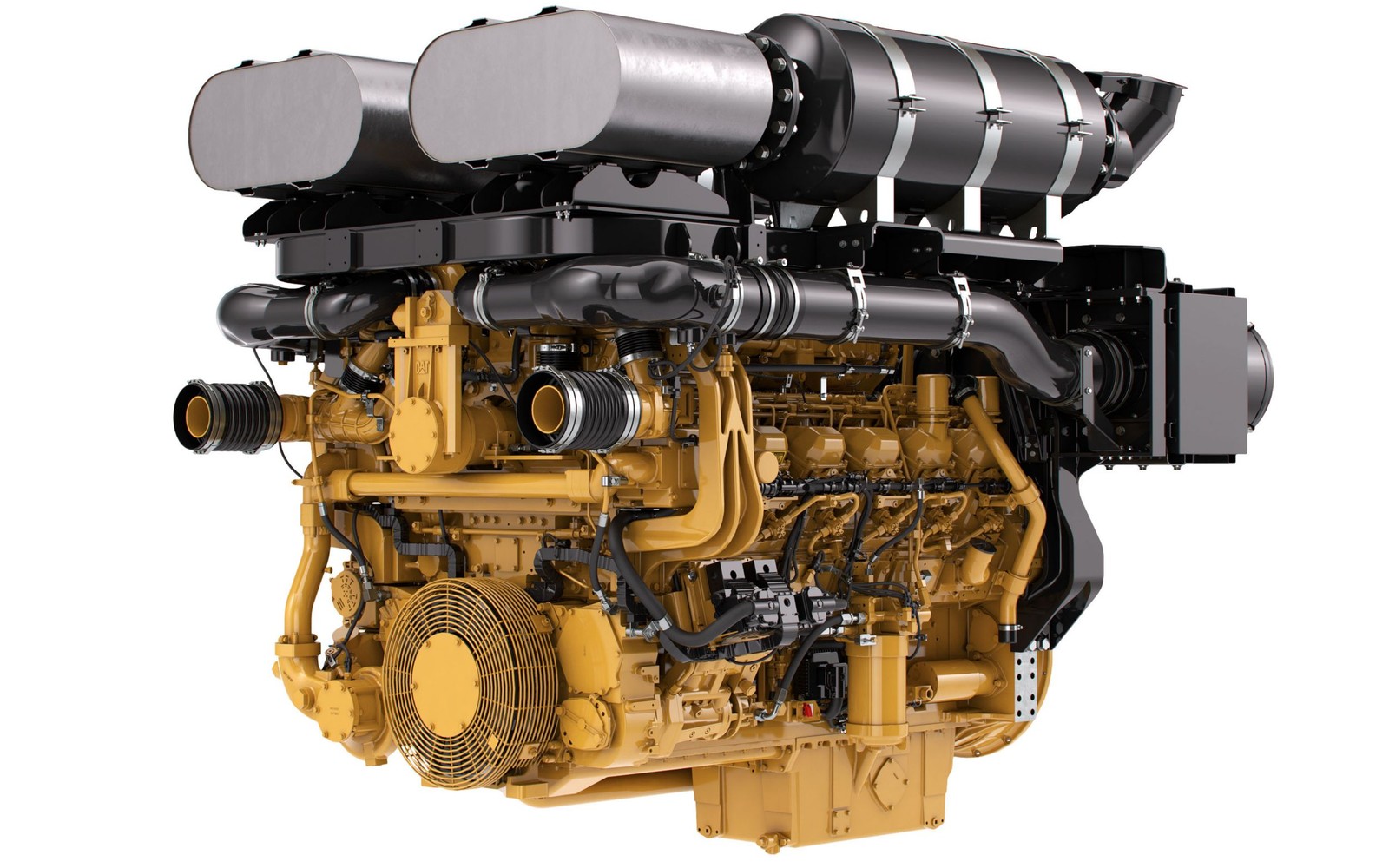
The Permian and Haynesville don't slow down for slow money. Operators running Caterpillar 3512C frac engines or older base 3512 platforms have learned that equipment availability is the job. The 3512 is a 12-cylinder, four-stroke diesel in the V12 configuration, producing roughly 1,100 to 1,350 horsepower depending on rating and application. It powers a wide range of critical oilfield assets: triplex frac pumps, drilling spread gensets, compressor packages, and cementing units. When one of these engines comes available, the window to act is short. We finance Caterpillar 3512 engines and the full skid packages they power, with decisions issued in days and funding that doesn't drag while the basin keeps moving.
We work with oilfield service companies, pressure pumping companies, and independent operators who need capital fast. Our minimum is $50,000 and the sweet spot runs $100,000 to $500,000 or higher for major engine purchases and rebuilds. New and used iron qualify. If you have a 3512 on a quote sheet or a unit coming out of a rebuild shop, we can move on it.
What the 3512 Does in the Field
The Caterpillar 3512 is a workhorse that has been in oilfield service for decades. The base 3512 displaces approximately 51.8 liters and runs in both naturally aspirated and turbocharged-aftercooled configurations. In frac service it typically pairs with a triplex pump rated at 1,000 to 1,500 hydraulic horsepower. In gas compression, the same block drives reciprocating compressor frames in gathering and midstream applications.
On a drilling spread, 3512 gensets frequently provide prime power where utility is unavailable, a common situation across the Delaware Basin, DJ Basin, and Powder River Basin. Cementing units running 3512 power can deliver the hydrostatic pressure profiles operators need for high-deviation wellbores. The engine's broad torque curve and parts availability through the Caterpillar dealer network make it one of the most financeable assets in the oilfield because secondary market value holds reasonably well even on aged units with documented maintenance history. Gas compression companies in the Permian and Appalachian gathering systems use 3512-powered packages as a core component of their midpressure and high-pressure compression fleets.
Buyers typically encounter the 3512 in three forms: bare engine blocks waiting for skid fabrication, pre-mounted units on frac pump trailers, and running compressor packages ready for field placement. Each form has different collateral characteristics, and we underwrite all three. Used equipment financing is particularly relevant here because a significant share of 3512 transactions involve rebuilt or zero-houred units coming out of CAT dealer rebuild programs.
How the Financing Process Works
We have structured the process around oilfield timelines, not bank calendars. Here is what to expect:
- Application: Submit a one-page application with the equipment description, seller, and requested amount. For deals up to approximately $400,000, we can often approve on application alone without requiring full financials.
- Documentation: Larger transactions or credit-sensitve situations typically require three months of bank statements. We do not require audited financials or three years of tax returns as a standard condition.
- Credit: We consider B/C credit profiles. A prior lien, a slow pay period, or a chapter in the rearview does not automatically disqualify. Oilfield service businesses run in cycles; we know that.
- Funding: Most deals close in seven to fourteen days from completed application. When you need a specific engine before another buyer steps in, that timeline matters.
Structure options include a standard oilfield equipment loan with monthly payments and a lien on the iron, an FMV lease that keeps the asset off your balance sheet, or a dollar-buyout lease for operators who want full ownership at term end. If you already own a 3512 free and clear, a Equipment Sale-Leaseback can free up working capital without selling the engine outright.
New, Rebuilt, or Field-Run: What We Finance
Very few 3512 transactions involve a factory-new engine. The market runs on rebuilt units, field-run engines with manageable hours, and bare blocks waiting for a skid. Here is how we treat each:
- Rebuilt or zero-houred: Caterpillar dealer rebuilds with documentation carry strong collateral value. We finance these at competitive terms because the asset is effectively new with a known cost basis.
- Field-run with documented hours: A 3512 with verifiable service records and hours under the major overhaul threshold is financeable. We look at hours, maintenance history, and current condition rather than age alone.
- Bare engine blocks or skid-mounted pre-build: These require more discussion because the asset isn't yet producing, but we have financed engine purchases ahead of skid fabrication when the deal structure supports it.
- Frac pump trailer packages: A complete unit ready for field deployment is the cleanest collateral. If you have a buyer and a trailer with a running 3512, the financing is straightforward.
Refinancing and Sale-Leaseback on Existing 3512 Assets
Not every 3512 transaction is a purchase. A number of our clients come to us with engines they already own, looking to pull capital out of iron that is sitting on the yard or actively deployed in the field. Two structures make that possible.
Cash-out refinancing applies when there is an existing lien on the engine and equity has built up, or when the engine was bought outright and never financed. We place a new lien, advance a percentage of current market value, and the operator receives the difference. The engine keeps working; the capital goes where the business needs it.
Sale-leaseback is the alternative when the operator wants a larger advance or prefers to remove the asset from their balance sheet. We purchase the engine at agreed value, the operator continues using it under a lease, and at term end they buy it back for a residual or walk away. For companies looking to free up capital for a new Caterpillar equipment package or to fund additional spread capacity, sale-leaseback on existing 3512s is a clean solution that avoids dilutive equity raises.
Get Financing on Your Caterpillar 3512 Engine
If you have a 3512 under contract, coming out of rebuild, or sitting on a quote sheet, call us or submit the application online. We'll give you a real answer within 24 to 48 hours so you can move before the seller does. Operators across the Permian, Haynesville, and Bakken count on us to close when the window is open.
Questions before you send the file.
Straight answers about caterpillar 3512 engine financing, documentation, timing, and equipment eligibility.
Can I finance a 3512 engine separately from the pump or compressor frame it will drive?
Yes. We can finance a bare engine block ahead of skid fabrication, though the structure may require a slightly higher down payment or a co-borrower familiar with the build project. We look at the engine's verifiable value and the borrower's track record with similar projects. Once the unit is on a skid and running, refinancing into a standard term is straightforward.
The unit I'm buying has 12,000 hours on the block. Is that too many for financing?
Hours alone don't determine financibility. We want to know where the engine sits relative to the major overhaul interval, what the maintenance records show, and what a qualified appraisal or inspection puts the current value at. A 12,000-hour 3512 with documented in-frame work can qualify. A 6,000-hour unit with no records is a harder conversation.
What if my company has a judgment or tax lien on file?
We work with B/C credit situations regularly in oilfield service. Existing judgments or tax liens need to be disclosed upfront. Depending on the size and status, some can be subordinated or paid at closing from proceeds. We'll tell you exactly where you stand after reviewing the full picture, rather than declining outright based on a credit report alone.
How do I handle the insurance requirement?
We require commercial property or inland marine coverage on financed equipment with us named as loss payee. If you already carry an oilfield inland marine policy, adding the unit is typically a simple endorsement. We can walk you through the certificate requirements so there are no last-minute surprises before closing.
Can I refinance a 3512 I still owe on if I need cash now?
If there is equity in the engine above the current payoff, a cash-out refinance pulls that equity without requiring you to sell. We pay off the existing lender, place a new lien, and advance the net difference. The deal works as long as current market value exceeds what you owe by a meaningful margin.
Quote desk
Get terms on Caterpillar 3512 Engine Financing.
Send the asset details, seller quote, and target timing. We will review the request and tell you what documentation is needed next.