

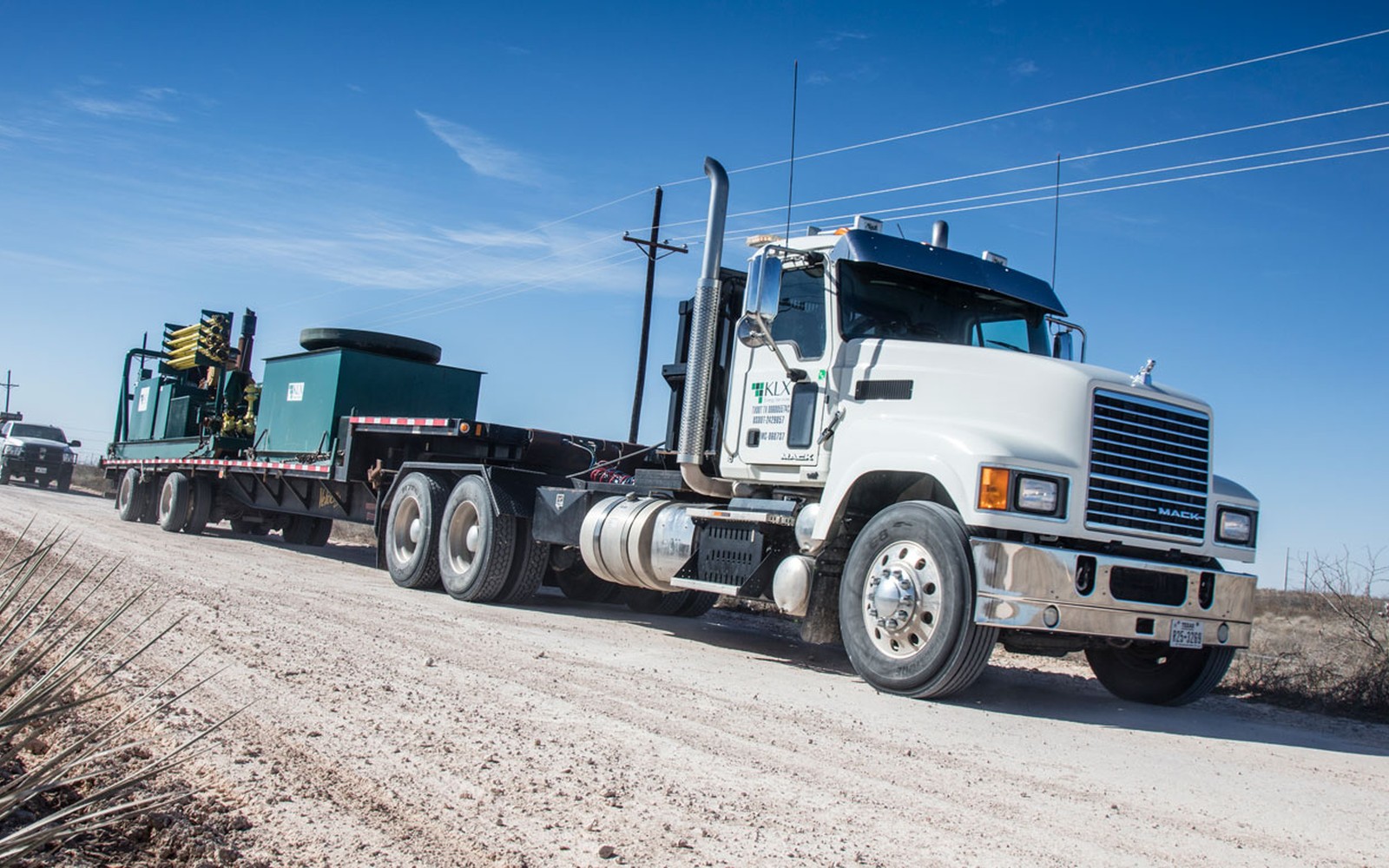
Pressure Pumping Companies
Financing for pressure pumping companies: cementing units, pump trucks, acid units, and nitrogen equipment. Loan and lease structures for oilfield service.
Pressure pumping is the broad segment that covers every job where a truck-mounted pump pushes fluid into the wellbore under pressure: cementing, acidizing, nitrogen, and stimulation work that doesn't rise to the scale of a full frac spread. The operators running these services drive high-utilization specialty trucks, and replacing or adding a unit is a capital event that either happens on the operator's terms or on the basin's timeline, which doesn't wait. We finance pressure pumping companies with structures designed for oilfield service economics: deals that close fast, collateral that lenders understand, and options for operators whose credit history looks like a decade of oil-price cycles rather than a smooth commercial-lending profile.
The minimum transaction is $50,000, the typical range runs $100,000 to $750,000 per unit, and we work with both new OEM equipment and used iron sourced from dealers, other operators, or distressed sales. Used equipment financing is a genuine option here, not a fallback with punitive terms.
Pressure Pumping Equipment We Finance
Cementing units are the workhorse of the pressure pumping segment. A typical single-pump cementing unit built on a Class 8 chassis sits running about $300k to $600k depending on the pump class, mixing system, and engine configuration. Twin-pump units designed for large-volume jobs run higher. We finance these as standalone transactions or as part of a multi-unit program for companies building out their fleet.
Cementing unit financing covers both conventional diesel units and the newer electric-assist configurations gaining traction in Tier 4 markets. Acid trucks used for matrix acidizing and acid fracturing work are financed on similar terms. Nitrogen pumping units are a specialty asset with a narrower buyer market, which affects residual value, but we lend on them regularly for companies doing well unloading, gas lift assist, and pipeline integrity work.
- Single and twin-pump cementing units (various pump class ratings)
- Acidizing and acid fracturing trucks
- Nitrogen pumping units and liquid nitrogen transport trailers
- Coil tubing assist and velocity string pump units
- Data acquisition vans and field monitoring trailers
- Bulk cement trailers and chemical transport units
Oilfield service trucks pulling this equipment, from Kenworth T880s to Peterbilt 567s, are also financed separately or in combination with the service unit they support.
New vs. Used Pressure Pumping Equipment
New cementing and acid units from OEM manufacturers offer the cleanest financing terms: higher advance rates, longer terms, and occasionally manufacturer-supported rate programs. The lead times on new builds, which often run four to six months for specialty truck builds, mean that acquiring a new unit requires planning well ahead of the job need. Operators who can work with that lead time typically choose new equipment for the warranty coverage and the simplified maintenance picture over the first few years.
Used equipment is how a lot of pressure pumping companies grow. A well-maintained five-year-old cementing unit at 60% of new-build cost is an attractive proposition for an operator who needs capacity now and can manage scheduled maintenance. We finance used pressure pumping equipment with the same attention as new, asking for documentation of the unit's maintenance history and a condition verification on assets above $300,000. B/C credit programs are more commonly used for used-equipment deals where the borrower's credit profile has gaps from a prior slow period in the field.
Liquidity Options for Pressure Pumping Companies
Pressure pumping companies that survived a down cycle often did so by running paid-off equipment and cutting every other cost. Those paid-off units represent equity. Sale-leaseback transactions unlock that equity while leaving the units on location. The company receives cash against the unit's market value, makes monthly payments, and retains full operational use of the equipment. The cash can fund a new unit acquisition, cover a major overhaul on aging equipment, or provide working capital during a slow-revenue quarter.
For companies carrying existing notes at rates that were set when credit was tighter or the market was in a different place, refinancing can lower the monthly obligation and sometimes add a cash-out component in the same transaction. We look at the current payoff, the asset's current market value, and your three most recent business bank statements to put a refinance structure together.
Get Financing for Your Pressure Pumping Fleet
Whether you are buying one unit or building out a fleet, we structure deals that fit the way pressure pumping companies actually operate. Submit your equipment details and we will respond within one business day.
Questions before you send the file.
Straight answers about pressure pumping companies, documentation, timing, and equipment eligibility.
Can I finance a cementing unit and the bulk cement trailer separately or do they need to be one deal?
Either structure works. A single transaction covering both simplifies the monthly payment management. Separate loans give you more flexibility if the trailer will be used across multiple units or if you plan to dispose of it on a different timeline than the truck.
My pressure pumping company has two existing loans on units. Can I consolidate those and add a new unit in one transaction?
Consolidation deals are possible but require more underwriting work. We look at the payoff on each existing note, the current market value of each asset, and the total structure. If the equity position across the existing units supports it, the new unit can be added into the same facility.
Does the type of work matter? I do a lot of nitrogen jobs; is that a harder loan to get?
Nitrogen units are a specialty asset with a narrower resale market, which means lenders typically hold a slightly lower advance rate. It doesn't prevent the loan, but your loan-to-value may be lower than on a cementing unit of similar age and condition.
How does the application-only financing process work for a $350,000 cementing unit?
For transactions up to approximately $400,000, we can often approve based on the application and basic business documentation without requiring full tax returns. You complete the application, provide your business details and the unit specs, and we issue a decision typically within 24 to 48 hours.
Can a new pressure pumping company with no revenue history get equipment financing?
It is harder but not impossible. We look at the principals' industry experience and personal financial position, the asset's quality and price relative to market, and the business plan. A startup with oilfield background and a verifiable first contract is in a much better position than a startup with no operational context.
Quote desk
Get terms on Pressure Pumping Companies.
Send the asset details, seller quote, and target timing. We will review the request and tell you what documentation is needed next.