

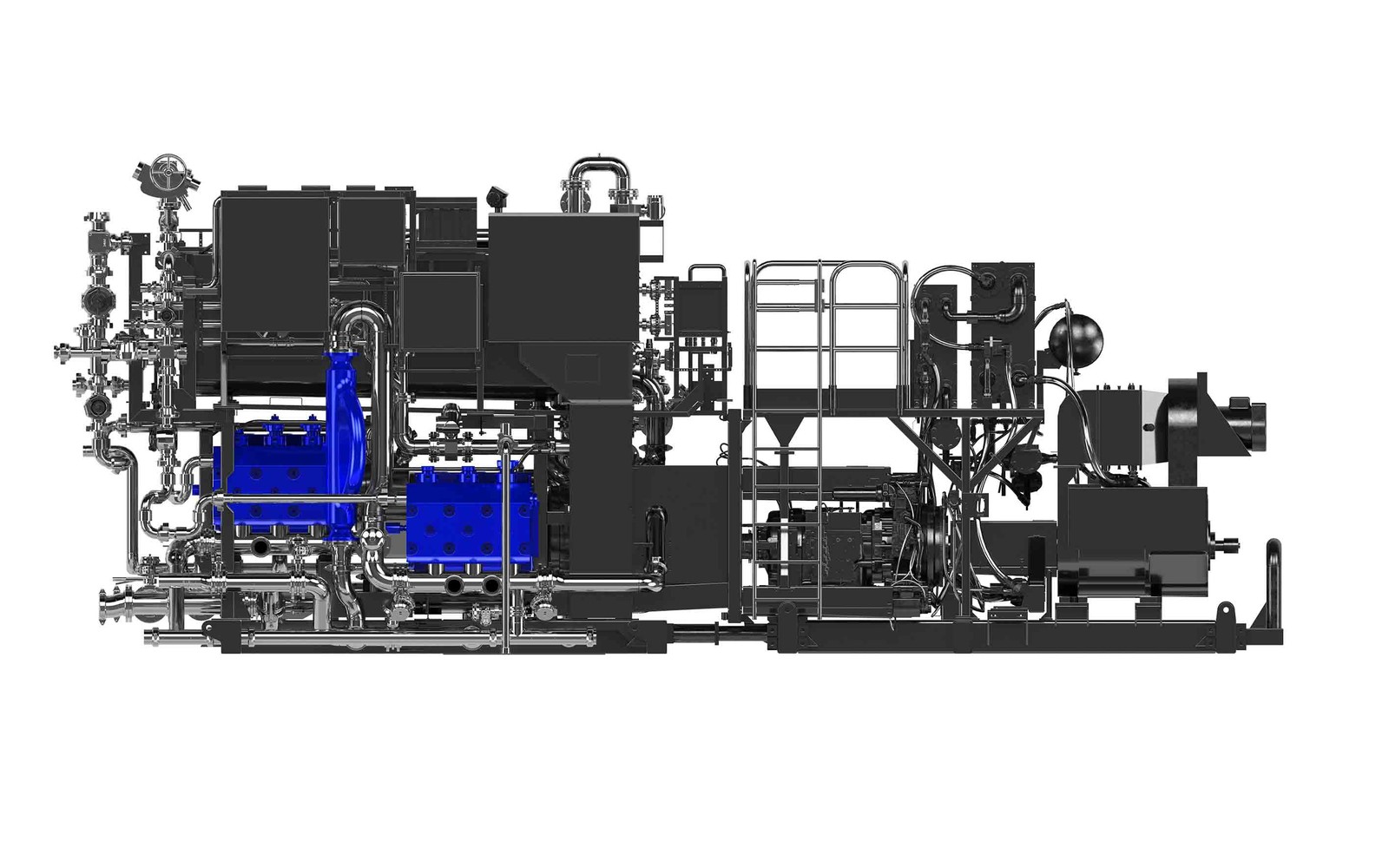
Cementing Unit Financing
Finance oilfield cementing units and cementing trucks for well completion operations. $50k minimum, B/C credit considered, closing after field-ticket review.
Cementing is not a step you reschedule. The casing is in the hole, the crew is on location, and the operator needs the cement job done to spec before the next phase begins. Cementing companies that run reliable, well-maintained units stay on the preferred vendor list; those who borrow equipment or show up with questionable iron do not get called back. The capital to put a capable unit in the yard before the call comes is what separates a company that grows from one that chases.
Cementing units are specialty vehicles that combine a pump system, a mixing system, and a data acquisition package into a single oilfield service platform. Dual-pump configurations capable of rates up to 20 barrels per minute are common on larger completion jobs. The purchase price for a capable used cementing unit typically starts around $200,000 and reaches well past $800,000 for newer twin-pump units with fully instrumented data heads. We finance these transactions starting at $50,000, with short-form approval available to approximately $400,000 and full-doc structures above that.
Cementing Unit Specifications That Matter to Lenders
A cementing unit is evaluated on pump configuration, rated horsepower, data head capability, and chassis condition. Units built on heavy-duty oilfield chassis from Kenworth, Peterbilt, or Western Star with twin triplex pumps and dedicated blending systems represent the most liquid collateral. Single-pump units used for remedial cement work and squeeze jobs are common at smaller oilfield service companies and remain financeable assets with solid secondary-market demand.
Pump horsepower and rated treating pressure matter significantly. Units with treating capability exceeding 10,000 psi command better advance rates than lower-pressure equipment because the use cases are broader and the secondary market is deeper. Data acquisition systems (the electronic measurement and recording of rate, pressure, density, and volume during a cement job) add meaningful value because modern completion programs frequently require job documentation.
Chassis miles, engine hours, and pump condition documentation are the core collateral financing paths a lender reviews. A certified inspection report from a qualified oilfield mechanic supports a stronger advance rate, especially on private-party purchases. We work with transactions sourced from oilfield service companies, surplus sales, and auction, as well as direct dealer purchases. Private-party equipment financing is a transaction type we close regularly in this category.
How Cementing Unit Financing Works
Most cementing unit transactions close as equipment loans or oil and gas equipment leases. An equipment loan places the title in your company's name with the lender holding a lien; at payoff, the lien releases and you own the unit free and clear. A lease keeps the unit off your balance sheet and often carries lower monthly payments, with buyout options at term end ranging from a $1 buyout to fair market value depending on structure selected.
Documentation for a full transaction is lighter than most operators expect. Recent operating statements is the standard starting request. Tax returns may be requested on larger transactions or where bank statements show unusual deposit patterns. Short-form processing covers transactions to roughly $400,000 for qualifying profiles, meaning no financials beyond the application itself. Closing typically follows field-ticket and lien review after the complete package is submitted.
For companies looking to refinance units already in service, we evaluate the unit's current market value against the existing payoff and structure accordingly. If the unit is owned free and clear, a Equipment Sale-Leaseback converts that equity to working capital while you continue operating the unit under the lease. This is a common structure for cementing companies that need capital for crew, chemicals, or additional vehicle acquisition without selling their core iron.
Who Uses This Financing
Independent cementing contractors servicing Permian Basin completions, Eagle Ford programs, and Haynesville shale operations are the most frequent applicants. Larger oilfield service companies adding capacity ahead of a multi-well program award also use our financing to preserve their credit lines for operational needs. Startup cementing companies with principals who have field and management experience in cementing operations can apply; we have financed first units for operators coming out of corporate service roles who are standing up their own shops.
Operators adding a secondary unit to handle remedial work alongside a primary completion unit use our oilfield equipment loans to keep both units productive without strapping cash. Companies based in Midland and the broader Permian Basin represent a consistent portion of our cementing unit transactions, as do operators in the Haynesville, Mid-Continent, and DJ Basin plays.
Questions before you send the file.
Straight answers about cementing unit financing, documentation, timing, and equipment eligibility.
Can I finance a cementing unit purchased at an oilfield auction?
Yes. Auction purchases are a common transaction source in this category. We will need the auction bill of sale, the unit serial number, and in many cases an independent inspection report. Auction purchases sometimes require a higher down payment depending on the unit's age and documented condition.
My cementing company is two years old. Do we qualify?
Two years in business is a common approval threshold. We look at the bank statement history, the revenue consistency, and the principals' experience in oilfield service. If the cash flow supports the payment, two-year-old companies close transactions with us regularly.
Can I finance the ancillary equipment (bulk cement trailer, chemical tote trailer) along with the cementing unit?
Yes, ancillary oilfield service equipment can often be bundled into the same transaction up to the application-only threshold. Above that, we structure them together or as a blended full-doc package. Tell us the complete list of what you are acquiring and we will assess the full scope.
How does a lender value a used cementing unit for advance rate purposes?
Lenders look at secondary-market comparable sales, the condition assessment, hours and miles, pump configuration, and whether the data acquisition system is current and functional. A unit with documented service history and verifiable oilfield use will appraise closer to retail values than one with missing records.
Is a down payment always required?
Not always. Strong-credit transactions on newer equipment with verified cash flow sometimes qualify for zero-down structures. More typically, a ten to twenty percent down payment is standard, especially on used units or for companies with credit challenges. The stronger the bank statements, the less cash required at close.
Quote desk
Get terms on Cementing Unit Financing.
Send the asset details, seller quote, and target timing. We will review the request and tell you what documentation is needed next.