

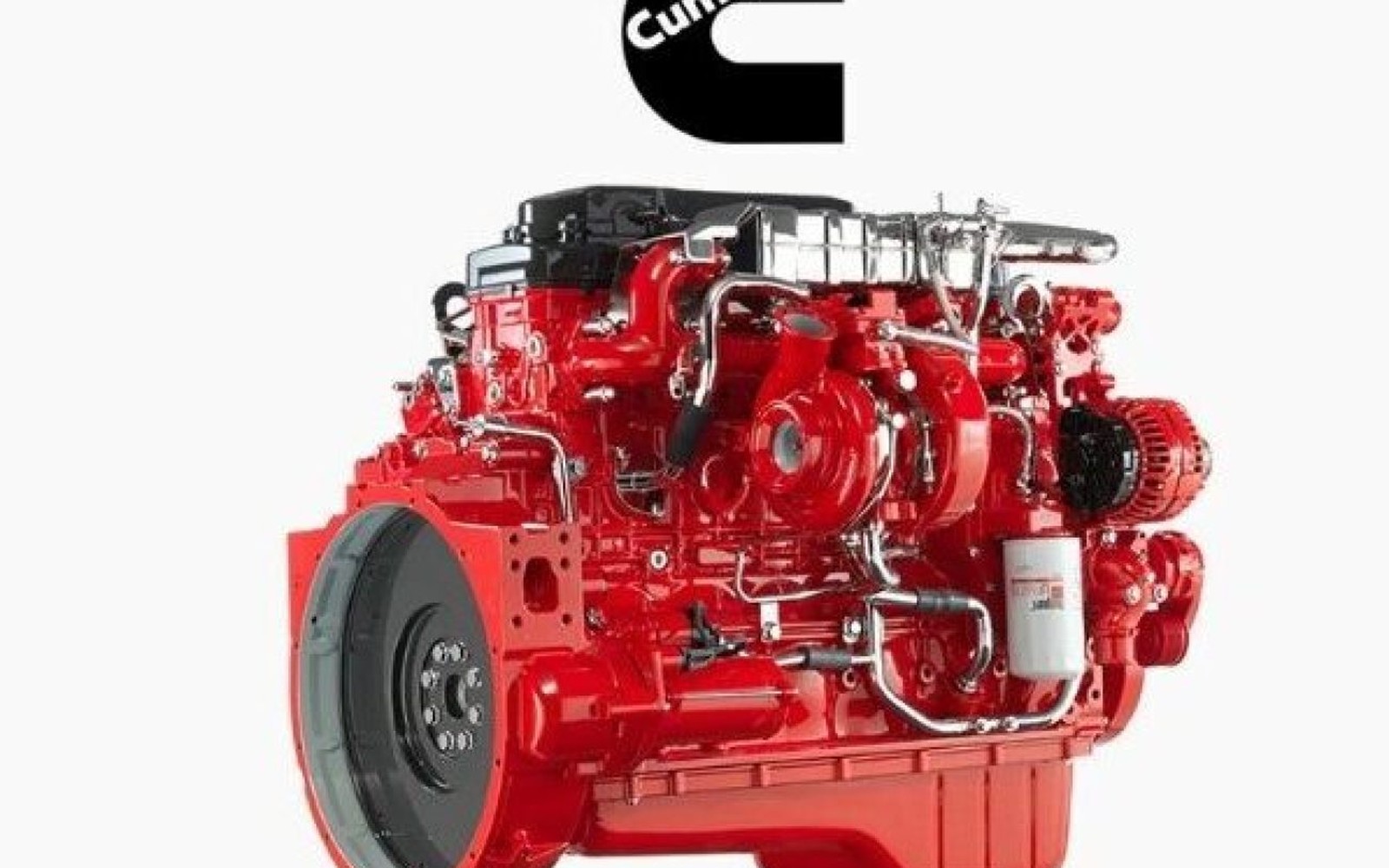
Cummins Engine Financing for Oilfield Equipment
Finance Cummins QSK50, QSK60, and X15 engines for frac pumps, drilling rigs, and oilfield trucks. $50k minimum, B/C credit, closing after field-ticket review.
Cummins powers more oilfield iron than most operators realize until they start reading spec sheets. The QSK50 and QSK60 engines drive frac pump units from Permian spreads to Haynesville pressure pumping fleets. The X15 runs heavy-spec oilfield trucks across the Bakken and Eagle Ford service corridors. Cummins diesel is in the gensets keeping lights on at remote pad sites and in the compressor packages that keep gas moving from wellheads to gathering headers. When you are putting a spread together or replacing a drive unit that has hit its rebuild interval, you are buying Cummins more often than not.
We finance Cummins engines and Cummins-powered equipment for frac operators, wireline companies, oilfield trucking fleets, and service contractors. Minimum transaction is $50,000. Short-form approval reaches roughly $400,000. Deals at the higher end of that range or above it go through a more complete financial review, but the process is still measured in days, not months.
Cummins Engine Models We Finance
The Cummins QSK50 is the workhorse of mid-tier frac pump skids. At roughly 1,500 to 1,800 horsepower depending on configuration, the QSK50 sits in the range that independent pressure pumping companies and rental yards build their spreads around. The QSK60 frac engine steps up to the 2,250 to 2,500 horsepower territory that Tier 1 completion operations demand. Both engines move through the market as standalone assets, as part of pump unit transactions, and as components in full spread packages.
On the truck side, the Cummins X15 powers Kenworth, Peterbilt, and Mack heavy-haul trucks moving pipe, equipment, and fluid across oilfield corridors. The QSK19 serves light frac applications, wireline units, and auxiliary power equipment across the same basins. We finance all of these configurations, and we work from the actual asset in front of us rather than applying uniform underwriting regardless of model or condition.
For operators sourcing used equipment, Cummins QSK-series engines have an active secondary market. Stacked frac pumps coming back into service, rebuilt pump skids, and surplus units from consolidated fleets are common acquisition paths. We work from service records, inspection reports, and current condition assessments when evaluating pre-owned Cummins power.
Structure and Terms for Cummins Engine Financing
Cummins engine financing structures vary based on whether you are financing the engine alone, as part of a pump unit, or as part of a larger multi-asset spread package. Standalone engine deals are typically structured as equipment loans or leases with terms matched to the expected service life of the rebuild cycle. A QSK60 that is freshly rebuilt and going into active service has a different expected term structure than a QSK50 sitting at 80 percent of rebuild interval.
Lease options include fair market value leases for operators who want to upgrade at the end of a term without carrying residual risk, and dollar buyout leases for operators who want to own the iron outright at the end of a fixed payment schedule. Loans through a direct purchase work for buyers who prefer simple title and lien structures.
For hydraulic fracturing companies building or expanding a spread, we can often package multiple Cummins-powered assets into a single approval. This reduces the documentation overhead and produces one monthly payment covering the spread rather than individual notes on each pump unit.
Timeline from Application to Funding
The standard path runs: submit application and three months of bank statements, receive an approval decision within a few business days, complete title and documentation, fund. That sequence typically completes in one to two weeks total. Operators who have a contract window opening or a spread mobilization scheduled in two weeks can often make that timeline work if they start the application promptly.
For short-form transactions up to roughly $400,000, the bank statements and the application are usually the complete file. The asset's invoice or purchase agreement and title documentation complete the closing package. We do not have extended underwriting queues, and we do not sit on approvals waiting for a committee calendar.
Operators working in Odessa and across the Permian Basin represent a significant share of Cummins financing requests we process, given the concentration of frac spreads and service fleets in that corridor.
Start Your Cummins Engine Financing
Application and three months of bank statements is all it takes to begin. Spread operators, rental yards, and single-truck oilfield contractors all go through the same process. Get the engine funded so it goes to work.
Questions before you send the file.
Straight answers about cummins engine financing for oilfield equipment, documentation, timing, and equipment eligibility.
Can I finance a QSK60 engine that is being rebuilt and not yet in service?
A unit in active rebuild can be financed. We want documentation on the rebuild scope, the shop doing the work, and the expected completion timeline. The asset needs to be identified and the rebuild investment quantifiable. Financing a freshly rebuilt engine going into service is common in the frac market.
The QSK50 I want to buy is being sold by the frac company that stacked it. Can I finance a private-party purchase?
Yes. Private-party transactions between oilfield companies are a standard path for Cummins engines. We work from the bill of sale, any available service records, and a current condition assessment. The documentation process is the same as a dealer purchase, just with different paperwork sources.
What if my pressure pumping company had a slow payment period two years ago?
Two years of recovery and current basin revenue carries more weight than a historical slow-pay stretch in our analysis. We look at what the business looks like today, what the spread is earning, and whether the cash flow supports the new obligation. B/C credit histories tied to commodity cycles are something we work with routinely.
Can I refinance Cummins engines I already own to pull out working capital?
If the engines are owned free and clear or with a small balance remaining, a sale-leaseback or cash-out refinance can convert that equity to working capital. The engines stay in service; the cash goes toward bids, operating costs, or expansion. Three months of bank statements and an application start that process.
Is there a limit on how many Cummins units I can finance at once?
There is no fixed cap on unit count. Large spread packages with multiple engines are structured based on the aggregate deal size and the borrower's financial depth. We have funded multi-engine packages for operators building out full spreads. The deal gets reviewed on its total merit rather than a per-unit count limit.
Quote desk
Get terms on Cummins Engine Financing for Oilfield Equipment.
Send the asset details, seller quote, and target timing. We will review the request and tell you what documentation is needed next.