

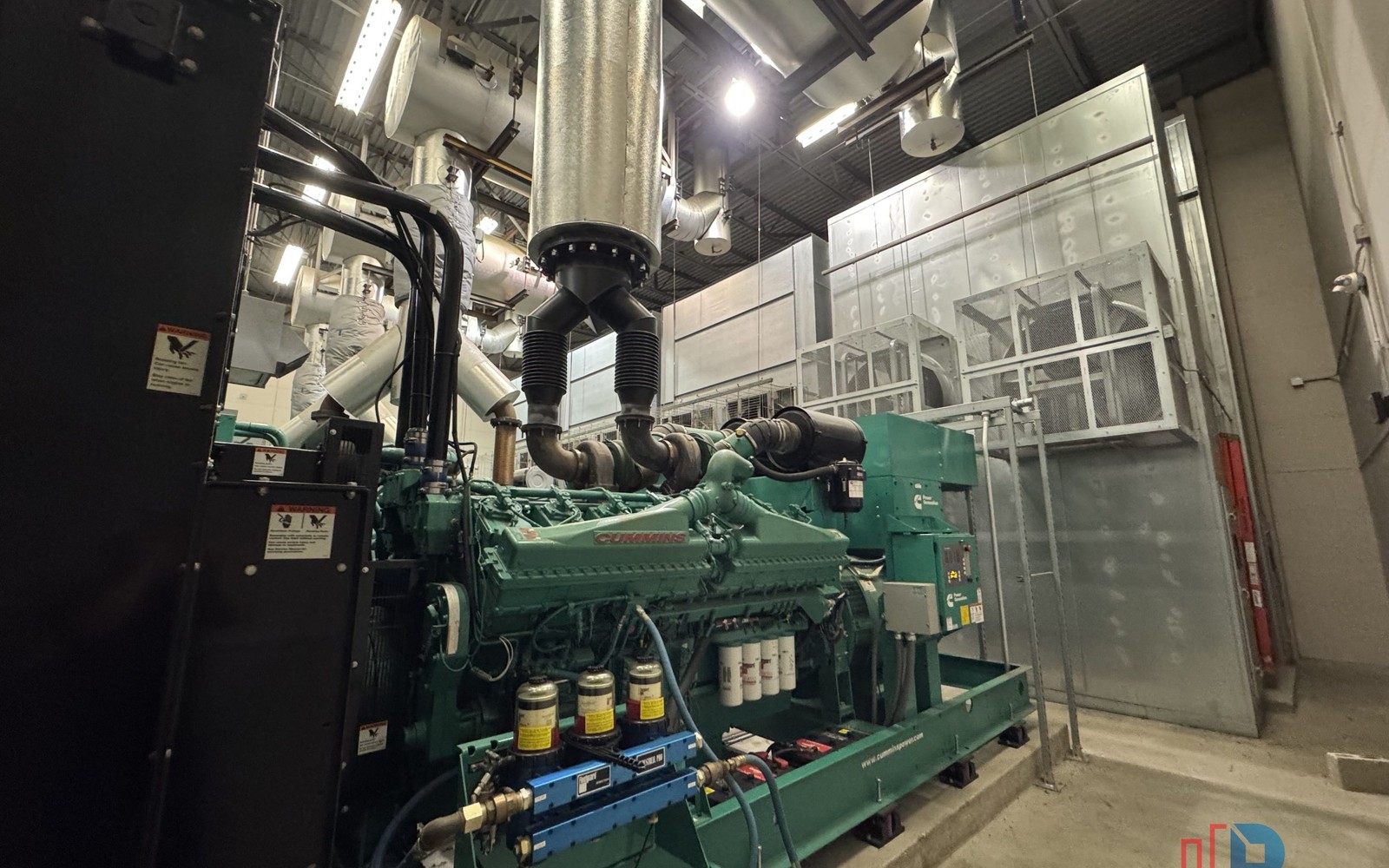
Cummins X15 Engine Financing
Finance Cummins X15 engines for oilfield trucks, frac support, and heavy service equipment. short-app funding to $400k. B/C credit considered. Oilfield lender review after the complete file.
The Cummins X15 replaced the ISX family and became the dominant heavy-duty truck engine across virtually every oilfield truck class from vacuum trucks to winch trucks to frac sand haulers. When you see a fleet of haul trucks staging in the Permian or a column of tankers running brine out of the Marcellus, most of those hoods are carrying an X15 or its ISX predecessor. The engine produces up to 605 horsepower in its highest Efficiency Series rating, and the Performance Series stretches to 565 hp with higher torque peaks suited for heavily loaded oilfield routes. If your operation depends on oilfield trucking, the X15 is likely already in your yard or on your shortlist for the next acquisition.
Truck financing with an X15 under the hood is well-trodden ground for us. These trucks trade actively through dealer lots, private sales, and auction lanes, and the engine's recognizability among lenders makes deal structuring straightforward. Minimum transaction size is $50,000, and our sweet spot runs from $100,000 to $300,000 per unit, which covers most used X15-equipped oilfield trucks comfortably. For operators buying multiple trucks in a batch, fleet-level structuring and oilfield equipment loans with consolidated payment schedules are available.
Where the X15 Sits in the Oilfield Truck Market
Cummins dropped the ISX designation after the 2017 model year, and the X15 brought with it a new block architecture, revised pistons and connecting rods, and a more capable EGR and SCR aftertreatment system tuned for the Performance and Efficiency Series split. Oilfield operators were initially cautious about the aftertreatment complexity compared with older pre-emissions ISX12 and ISX15 trucks, but field experience since 2017 has largely validated the X15 as a durable, high-mileage platform when DEF systems are maintained properly.
Used X15 trucks in oilfield configurations, including vacuum trucks, hot oil units, and flatbed haul trucks, move regularly through Permian Basin dealer lots in Midland and Odessa and through auction houses serving the broader oilfield service sector. Prices for used X15-powered oilfield trucks vary widely by application, body condition, and mileage, but well-maintained service trucks in the 200,000 to 400,000 mile range often find buyers running about $80k to $180k depending on body and equipment specs. Trucks with significant remaining body life or proprietary equipment packages command more.
New truck orders with X15 engines are running through Kenworth and Peterbilt dealerships, and chassis lead times have fluctuated considerably since 2021. Operators who need capacity faster often source used units and finance through the secondary market, which is where a financing team experienced with oilfield equipment matters more than a standard truck lender.
Financing Terms for X15-Powered Oilfield Trucks
Term length on X15-powered oilfield trucks typically runs 48 to 72 months for well-documented used units with reasonable mileage and 60 to 84 months for newer trucks or trucks with significant remaining warranty. Advance rates depend on equipment condition and borrower credit profile, and deals can be structured as equipment loans with fixed monthly payments or as leases with a terminal option.
For operators who want to preserve working capital and use a TRAC lease structure for oilfield trucks, the terminal rental adjustment clause allows you to set an estimated residual at origination, which can lower the monthly payment versus a full-payout loan. At lease end you settle against the actual market value. Trucking fleets familiar with TRAC leases for over-the-road equipment will find the structure transfers directly to oilfield truck financing.
Down payment requirements range from zero down for strong-credit operators with seasoned businesses to 10 or 20 percent for newer companies or B/C credit profiles. For oilfield challenged-credit financing, the down payment and the equipment's collateral value become the primary structuring tools. We do not turn away marginal credit profiles without first exploring what options exist, because the oilfield financing team has more appetite for hard assets than most bank underwriting desks do.
Cash-Out and Refinancing Options for Existing X15 Trucks
Operators who already own X15-powered trucks outright or with equity built up have two primary options for unlocking that capital. A cash-out refinance places new debt against the truck's current market value, paying off any existing lien and returning remaining equity as cash. That cash can fund a new piece of equipment, a deposit on a contract, or general operating expenses without requiring a separate working capital loan.
A sale-leaseback accomplishes the same goal but changes the ownership structure. The lender purchases the truck at agreed value and immediately leases it back to you. You retain operational use of the truck, the cash from the sale lands in your account, and you make monthly lease payments going forward. For companies that need to build liquidity during a slow patch without parking equipment, a sale-leaseback on X15 trucks with remaining market value is a viable path.
Both strategies require that the truck is in serviceable condition and that value can be established. We order market comps from current dealer and auction data rather than relying on book value guides that often lag actual oilfield equipment markets.
X15 Trucks Across the Oilfield Fleet
The X15 engine appears across multiple truck configurations in oilfield service. The same financing framework that works for a vacuum truck works for a hot oil unit, a winch truck for rig moves, a gin pole truck for setting BOP stacks, or a flatbed pulling pipe. Each application has its own body and equipment value, but the underlying engine financing mechanics are the same.
Operators building out a full-service trucking fleet often finance several configurations simultaneously. Our ability to handle multiple deals through a single credit review and a consolidated payment schedule simplifies the administrative side. For companies comparing X15-powered Kenworth or Peterbilt trucks, the brand financing pages cover specific model details: the Kenworth T880 and Peterbilt 389 are two of the most common X15-equipped oilfield hauler platforms, and each has specific considerations around chassis spec and resale value worth understanding before you commit to a purchase.
Get X15 Truck Financing Moving
Short-form up to $400,000. Three months bank statements, your application, and the truck details get us to a term sheet. Call or apply online today and we will have an answer back quickly.
Questions before you send the file.
Straight answers about cummins x15 engine financing, documentation, timing, and equipment eligibility.
The truck I want has an X15 with an unknown DEF and EGR history. Does that affect financing?
Aftertreatment condition and history can affect lender appetite on X15 trucks, especially units with known DPF or SCR issues. We may require a recent shop inspection or a mechanic's report on the aftertreatment system for older high-mileage units. If the system has been deleted, that creates both a regulatory issue and a financing complication in most states.
Can I finance an X15 truck I am buying at an oilfield equipment auction?
Yes. Auction purchases are common in this market. We work with major oilfield auction houses and can often pre-approve you for a spending limit before the sale date. You will need the truck details and condition report from the auction house to close the deal after winning a bid.
I need two trucks before a contract starts in six weeks. Can you close that fast?
Six weeks is workable for two units if the documentation moves quickly. Our typical close timeline is one to two weeks from completed application and supporting documents. If you get us everything promptly, multiple units can close simultaneously.
What mileage ceiling do lenders apply to X15 oilfield trucks?
There is no hard universal ceiling, but lenders get more conservative on trucks past 500,000 to 600,000 miles, and some will not advance above a certain percentage of book on high-mileage units. Condition, maintenance records, and remaining engine life matter more than mileage alone. A high-mileage truck with recent top-end work and documented oil samples is a better credit than an unknown-history truck at lower miles.
Do you handle financing if the truck is titled in a different state than where I operate?
We handle cross-state transactions regularly. The lender will perfect a lien in the title state. Some states have specific requirements around titling timelines that affect closing logistics, but this is routine and not a barrier to getting a deal done.
Quote desk
Get terms on Cummins X15 Engine Financing.
Send the asset details, seller quote, and target timing. We will review the request and tell you what documentation is needed next.