

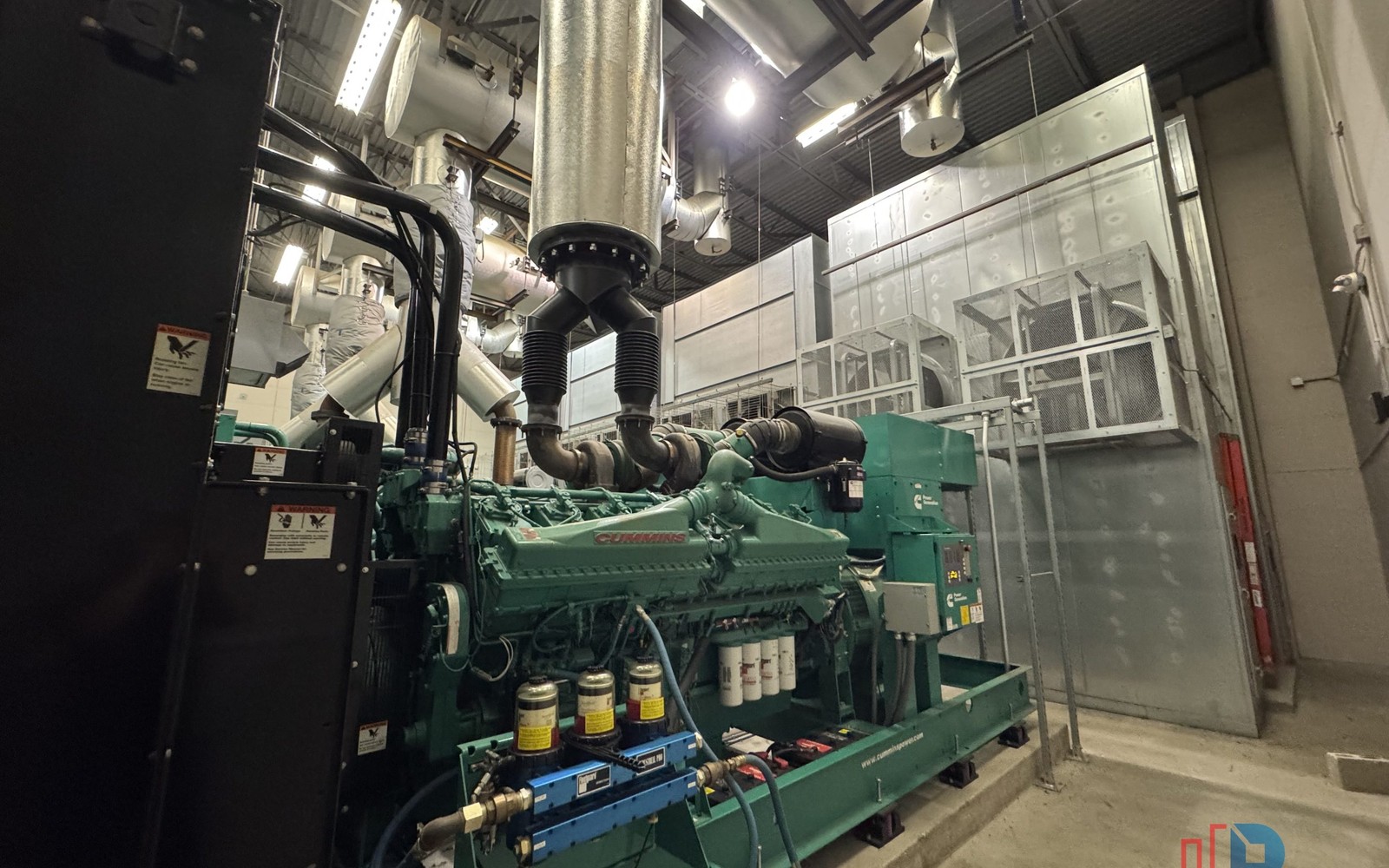
Cummins QSK50 Engine Financing
Finance a Cummins QSK50 engine for drilling rig power, oilfield gensets, and large pump applications. Fast decisions, B/C credit considered, oilfield lender review after the complete file.
Drilling rig power requirements are not trivial. A modern land drilling rig needs sustained, reliable prime power for its drawworks, rotary table, mud pumps, and ancillary systems, and the Cummins QSK50 is one of the engines that delivers it. At approximately 50.3 liters displacement in a 16-cylinder V configuration, the QSK50 produces up to roughly 1,800 horsepower in its highest ratings, making it a candidate for prime power gensets on large AC drilling rigs and for frac pump drive applications where the Caterpillar 3512 family competes.
We finance QSK50-powered oilfield assets for drilling contractors, compression companies, and independent operators who need capital on an oilfield schedule. Single engine purchases, packaged gensets, and compressor unit transactions all fall within our scope. Deal sizes typically run from $200,000 to over $1 million for complete, running QSK50-powered packages. Our minimum is $50,000 and our process is built for speed, not for bank committee calendars.
The QSK50 in Oilfield Applications
Cummins designed the QSK50 as a high-output, electronically controlled engine capable of continuous-duty service in the most demanding industrial applications. In the oilfield it appears in several high-demand roles:
- Drilling rig prime power: Large AC drilling rigs often use four to six 1,500 kW class gensets powered by QSK50 or equivalent engines. The QSK50-based genset provides the sustained output these rigs need across continuous multi-well pad campaigns.
- Frac pump power: In frac service, the QSK50 competes directly with the Caterpillar 3512 family. Some pressure pumping spreads run QSK50-powered pump units, particularly where the operator has a Cummins preference or where used QSK50 units were available at favorable pricing. Compare the QSK50 to the Cummins QSK60 if you need even higher output for a pump application.
- Gas compression: The QSK50 is used as a driver for reciprocating gas compressor frames in gathering and midstream applications, particularly in larger compression packages where higher horsepower is required.
- Stationary and rental power: Large industrial facilities and remote drilling locations use QSK50-powered rental or permanent gensets for critical power applications.
Financing Process and Deal Structure
QSK50 transactions vary from individual engine purchases to complete, operational packages. Here is how we approach each scenario:
- Complete running genset or pump unit: The cleanest transaction. A documented, operational QSK50-powered unit with known hours and service history is strong collateral. We can move quickly once we have the equipment details and a complete application.
- Bare engine for a rebuild or skid project: A standalone QSK50 engine block is more complex. We look at the purpose of the purchase, the build timeline, and the operator's history with similar projects. The asset isn't generating revenue until it's installed and running, so the financing structure needs to reflect that.
- Package of multiple units: If you are buying a spread's worth of QSK50 gensets or multiple pump units, a blanket facility covering the package is more efficient than individual applications on each unit.
Standard documentation applies across all scenarios: short-form up to approximately $400,000, three months of bank statements above that threshold. We work with B/C credit. Gas compression companies and drilling contractors who have been through prior cycle credit stress are not automatically disqualified. We evaluate the current business picture, not just the trailing history.
For operators looking to leverage existing QSK50 assets they already own, cash-out refinancing on a running genset or pump unit can generate working capital without selling the iron.
QSK50 Market Considerations
The QSK50 occupies a specific niche in the used oilfield engine market. It is a more specialized asset than a Caterpillar 3512, with a somewhat smaller secondary market. That narrower market has two implications for financing: used units may require more documentation of current market value because there are fewer direct comparables, and the borrower's story about utilization matters more than it would for a more liquid collateral type.
On the other hand, operators who run QSK50 equipment tend to be committed Cummins shops with dealer relationships, parts stocking, and technicians trained on Cummins systems. That specialization is a positive signal in underwriting, because it suggests the maintenance program behind the asset is structured rather than ad hoc.
Financing options for QSK50 assets include standard equipment loans, FMV leases, and sale-leaseback arrangements on existing owned units. See the Cummins brand financing page for a broader view of how we approach all Cummins-powered oilfield assets. For operators who want to understand the loan structure options before applying, our oilfield equipment loans overview walks through the key differences between loans, leases, and sale-leaseback arrangements.
Apply for QSK50 Financing
Tell us the unit, the application, and the deal size. We'll respond with a real read within 24 to 48 hours. Drilling contractors and compression operators in the Permian, Williston, and DJ Basins use us when they need capital fast and their bank isn't built for oilfield timelines.
Questions before you send the file.
Straight answers about cummins qsk50 engine financing, documentation, timing, and equipment eligibility.
Can I finance a QSK50 genset that a rental company is selling out of their rental fleet?
Rental fleet exits are common transactions in our world. Rental companies typically keep good service records on their assets, which makes documentation straightforward. We do look carefully at the hours and the maintenance intervals because rental fleet equipment sometimes runs harder than field-owned equipment. If the records are clean and the purchase price reflects the condition, these are solid financing candidates.
What is the typical advance percentage on a used QSK50 engine package?
Advance rates depend on credit strength, asset condition, and documented market value. For a clean credit deal on a well-documented running package, we can typically advance 80 to 90 percent of the purchase price or appraised value, whichever is lower. Challenged credit or higher-hour units with limited maintenance history typically require more equity in the deal, often 20 to 30 percent down.
My QSK50 genset is past the major overhaul interval but I haven't done the overhaul yet. How do you treat that?
A unit past its major overhaul interval without the overhaul done is carrying deferred maintenance that affects market value and therefore collateral value. We'd want to know the condition assessment from a qualified Cummins dealer inspection, the cost to bring the unit to a completed overhaul state, and whether the purchase price reflects the as-is condition. If you plan to do the overhaul post-purchase, the post-overhaul value can be part of the refinancing conversation but it's not collateral for the initial purchase.
Can I use a QSK50 genset as collateral on a working capital loan instead of an equipment loan?
A working capital loan secured by equipment is a different structure than a standard equipment loan. We can discuss it, but for most operators the standard cash-out refinance or sale-leaseback on the existing equipment gets to the same outcome more cleanly. If you own the QSK50 free and clear and need working capital, a cash-out refinance on the equipment is typically simpler and delivers more cash than a working capital facility secured by the same asset.
Quote desk
Get terms on Cummins QSK50 Engine Financing.
Send the asset details, seller quote, and target timing. We will review the request and tell you what documentation is needed next.