

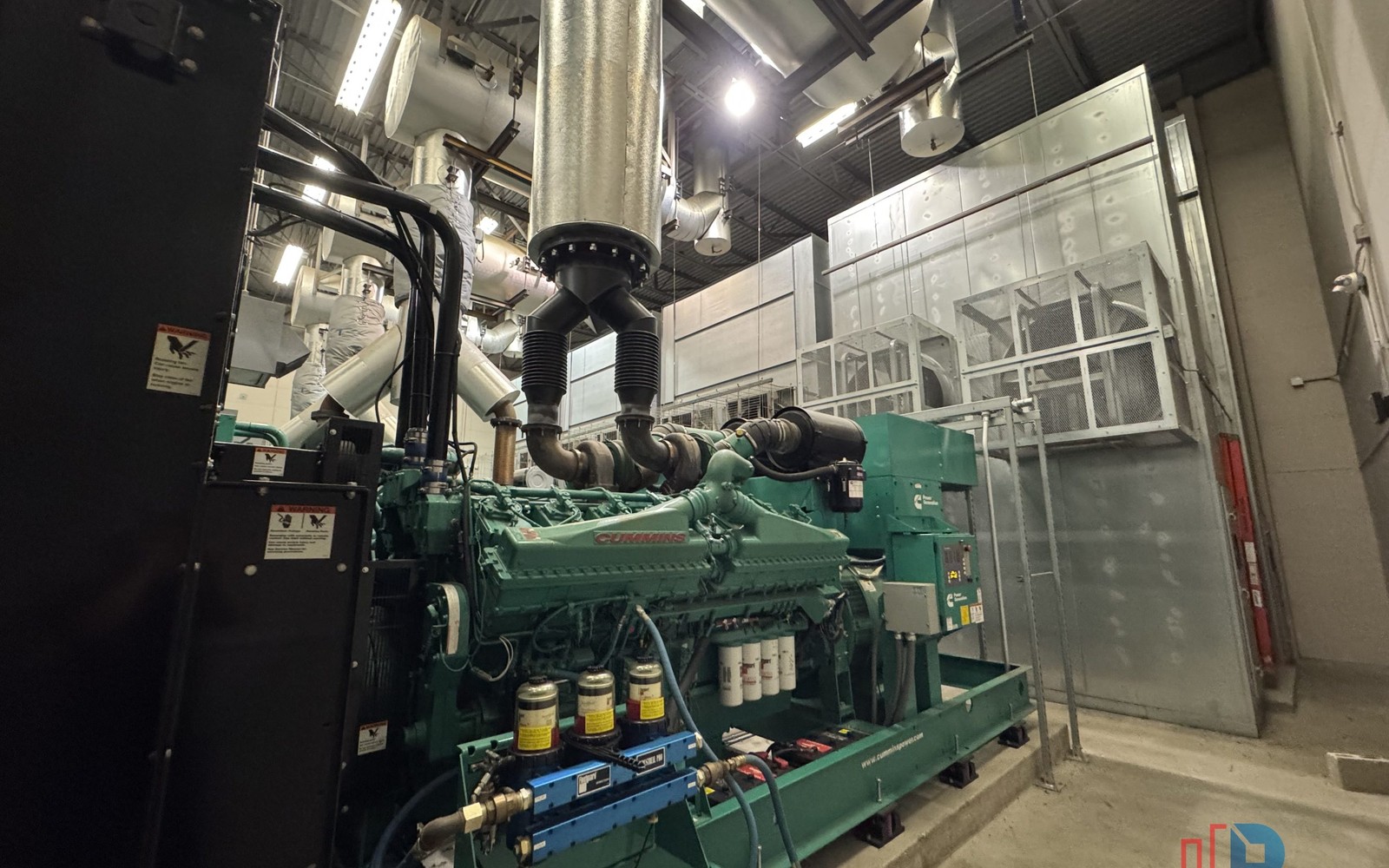
Cummins QSK60 Frac Engine Financing
Finance a Cummins QSK60 frac pump engine. The QSK60 drives the highest-output frac pumps in the market. Fast approvals, B/C credit considered, oilfield lender review after the complete file.
At the top of the Cummins oilfield engine lineup sits the QSK60. This engine is not for small frac jobs. At approximately 60.2 liters displacement in a 16-cylinder configuration, the QSK60 produces up to 2,700 horsepower in its highest field ratings, making it the engine of choice for the highest-output frac pump units in North American pressure pumping. An operator running a QSK60-powered quintuplex frac pump can push hydraulic horsepower ratings that define the top tier of basin service capability.
We finance QSK60-powered frac pump units, pump trucks, and package deals for pressure pumping companies and large-scale hydraulic fracturing operators. This is the high-end of the frac pump market, with individual unit prices that can run from $600,000 to over $2 million depending on the pump rating, trailer configuration, and age. We work across that range. Our process is designed for oilfield speed, not bank committee pace, because a QSK60 pump unit available on the market doesn't wait while a lender takes three weeks to review a credit file.
Why the QSK60 Commands the High End of the Frac Market
The QSK60's role in pressure pumping is directly tied to the industry's evolution toward higher-intensity completions. As basin operators increased stage counts, proppant loading, and pump rates per stage, the demand for higher-horsepower pump units grew proportionally. The QSK60 addressed that demand with a platform capable of driving pump frames rated at 2,500 to 3,000 hydraulic horsepower.
Several characteristics define the QSK60's position in the market:
- Displacement and output: At 60.2 liters, the QSK60 is a physically large engine that requires a substantial pump trailer to accommodate it properly. The output headroom allows for lower engine loading in standard service, which can improve longevity under continuous duty cycle conditions.
- Quintuplex pump pairing: The QSK60's power output makes it a natural pairing for quintuplex (five-cylinder) pump frames, which deliver higher flow rates and smoother pressure delivery than triplex frames at equivalent horsepower ratings.
- Fleet availability: Major U.S. pressure pumping companies have deployed QSK60 units in significant numbers. When these companies rotate or retire equipment, the secondary market for QSK60 units creates purchasing opportunities for independent operators and smaller fleets. That secondary market is where most of our financing activity on this engine type occurs.
Compare the QSK60 to the QSK50 engine platform if you're evaluating whether the extra displacement is justified for your application's pressure requirements.
Financing QSK60-Powered Frac Units
QSK60 transactions are among the larger individual equipment deals we see, and the underwriting reflects that. Here is the realistic picture:
- Documentation: Deals at this price point typically require recent operating statements and may require a prior year tax return or company financial summary. We are not requiring a full CPA audit, but we need enough financial picture to understand the company's cash flow position.
- Down payment: Operators with strong credit and demonstrated pressure pumping revenue can often finance with 10 to 15 percent down on a well-documented running unit. Operators with credit challenges or limited pressure pumping track record typically need 20 to 30 percent equity in the deal.
- Service contract support: A signed contract with an E&P operator or a demonstrated pipeline of stage-based revenue strengthens the financing case significantly. We can't guarantee approval based on revenue projections, but documented revenue commitment is material in how we underwrite high-dollar transactions.
- Timeline: Seven to fourteen business days from a complete application package is our standard. For an acquisition this significant, we'd recommend starting the process before you have a specific unit under contract so we have a sense of your credit profile in advance.
Refinancing and Capital Access on Existing QSK60 Assets
Pressure pumping companies that own QSK60 units free and clear or have significant equity built up in financed units can access capital without selling the equipment. Two structures are relevant:
A cash-out refinance places a new lien on the engine or pump unit and advances a percentage of current market value. If you paid cash for a unit eight months ago and now need working capital for the next spread expansion, the cash-out refinance on the existing unit is often the fastest path to liquidity without diluting ownership or selling productive equipment.
A Equipment Sale-Leaseback is appropriate when the operator wants to remove the asset from their balance sheet entirely or needs a larger capital advance than the cash-out structure provides. We purchase the pump unit at agreed value, the operator continues using it under a lease, and at term end they buy it back for a residual or elect not to based on what their equipment needs look like at that point. For pressure pumping companies managing fleet transitions, the flexibility to walk away at term end has real strategic value. See our overview of Cummins engine financing for how we approach the full Cummins oilfield product line alongside the QSK60 specifically.
Buyers in the QSK60 Market
The QSK60 buyer profile is specific. These are not first-time equipment buyers or small service companies stepping into their first frac unit. They are:
- Mid-size pressure pumping companies scaling their spread count: A company with one or two spreads that wins a large pad contract and needs to field additional pump units fast. The QSK60 is the engine that lets you compete for the high-demand, high-intensity completion work that pays at the top of the market.
- Companies buying from major service company fleet rotations: When a large frac company exits a basin or rotates their fleet, they sell to the market. Buyers who can close fast take the best units. Our financing lets you be that buyer.
- Spread consolidators building a rental or spot-market fleet: Oilfield rental companies that provide spot frac services or contract pump equipment to operators buy QSK60 units to fill service gaps in the basin. These are sophisticated operators who need a lender that understands the frac rental market, not one that asks what a quintuplex pump is.
Questions before you send the file.
Straight answers about cummins qsk60 frac engine financing, documentation, timing, and equipment eligibility.
I'm buying a QSK60 pump unit from a major service company's fleet rotation. Can I finance it before the auction or sale closes?
Pre-approved financing before a sale event is the right approach for large transactions. Give us the deal parameters, the equipment description, and complete application materials before the sale. We can issue a conditional credit approval that is subject only to verification of the final purchase price and a quick inspection of the specific unit. That lets you move immediately when the sale closes rather than scrambling for financing after.
The QSK60 I'm buying has elevated crankcase pressure and needs a top-end rebuild. How do you handle that?
A unit with disclosed mechanical issues needs to be priced to reflect those issues. We will want an inspection report from a qualified Cummins dealer or independent inspector that quantifies the repair scope, the estimated repair cost, and the post-repair condition expectation. We then lend against current as-is value, not post-repair value. If you plan to complete the rebuild and then refinance, the post-rebuild value becomes relevant at that point.
Can I finance the QSK60 and the quintuplex pump frame as a single asset, or do they need to be financed separately?
A complete, operational pump unit is a single asset from a collateral perspective, and that is how we prefer to structure it. Financing the engine and frame separately adds complexity for no benefit. If they're being acquired as a complete unit from a single seller, we treat the whole package as the collateral. If they're coming from different sellers and being assembled into a unit, we'd discuss the construction of the package with you before committing to how we structure it.
My company has been in operation for 14 months. Are we too new for QSK60 financing?
14 months is a short operating history for a transaction at this price point, but it doesn't automatically disqualify you. We'd look very carefully at the principals' prior oilfield experience, the company's contracted revenue, and the down payment offered. A newer company with experienced operators, a signed service contract, and a meaningful down payment can make a fundable deal. A newer company with no industry track record and a minimal down payment is a harder case.
Quote desk
Get terms on Cummins QSK60 Frac Engine Financing.
Send the asset details, seller quote, and target timing. We will review the request and tell you what documentation is needed next.