

Nitrogen Pumping Unit Financing
Finance nitrogen pumping units for oilfield well intervention, coiled tubing assist, and well unloading operations. $50k minimum, fast approvals.
Nitrogen service is one of those capabilities that operators reach for across a surprising range of well operations: unloading a dead well, displacing completion fluids before a coiled tubing run, creating backpressure for a pressure test, or assisting an underperforming gas lift system. The companies that can run nitrogen on short notice stay busy. The ones waiting to borrow or subcontract a unit leave margin on the table every time. We finance nitrogen pumping units for oilfield service companies and well service contractors across the producing basins.
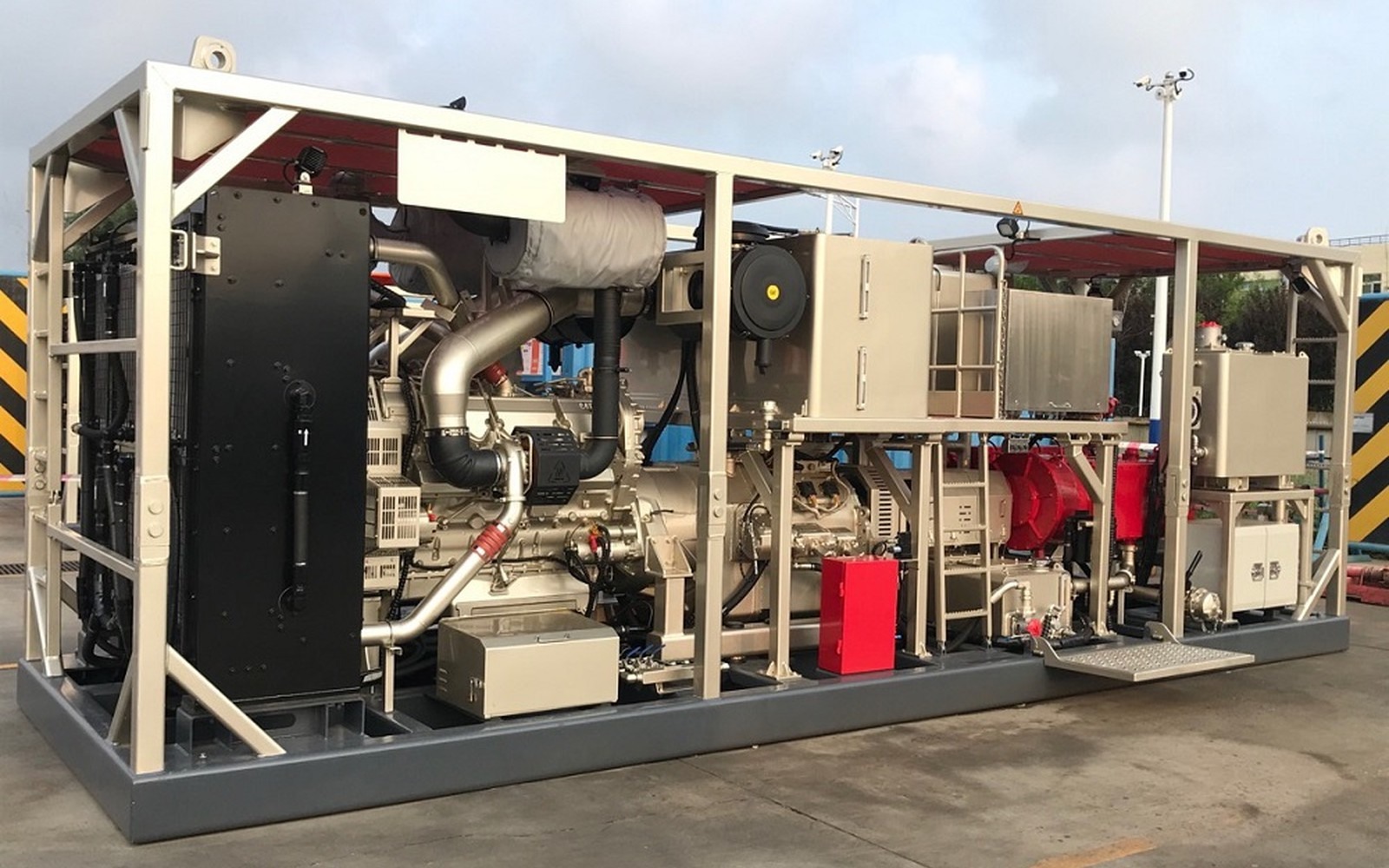
A nitrogen pumping unit is a cryogenic liquid nitrogen pump mounted on a truck or trailer chassis, capable of vaporizing and injecting nitrogen at high pressure into a wellbore or surface system. Units range from smaller trailer-mounted units suitable for well unloading and nitrogen-assist operations at lower injection rates, to high-pressure truck-mounted pumpers capable of sustained injection at rates sufficient for nitrogen fracturing or large wellbore purge operations. Equipment prices span a wide range, from roughly $80,000 for a used trailer unit to $400,000 or more for a newer high-rate truck-mounted unit with a full cryogenic tank and instrumentation package.
We finance nitrogen pumping units from $50,000, with short-form processing available to approximately $400,000. Our familiarity with how these assets earn their keep in the field means the financing structure matches the actual income pattern of nitrogen service rather than a generic equipment-loan template.
Nitrogen Unit Specifications and Collateral
Lenders unfamiliar with nitrogen service equipment sometimes undervalue these assets because the cryogenic components are not standard truck collateral. Lenders who know the space recognize that a properly maintained nitrogen unit with a serviceable cryogenic vessel, documented pump capacity, and good chassis condition retains value in an active secondary market driven by oilfield service company acquisitions and equipment rental fleets.
Key specification financing paths that affect value and advance rate:
- Pump rated pressure (commonly 5,000 to 15,000 psi for high-pressure wellbore applications)
- Pump flow rate in thousand standard cubic feet per minute (MSCFM)
- Cryogenic tank capacity and insulation integrity
- Truck or trailer chassis year, make, and condition
- Vaporizer condition and rated capacity
- Instrumentation and data recording capability
A unit with a tested, leak-free cryogenic vessel and a well-documented service record will appraise significantly above one with unknown vessel history. We strongly recommend securing an independent inspection on used nitrogen units before finalizing a purchase, both for your own protection and to support the lender's collateral position.
Loan, Lease, or Leaseback: Choosing the Right Structure
For a company adding a first nitrogen unit, an equipment loan is the most straightforward path. The lender holds a lien on the unit; you own it, operate it, and make payments. At payoff, the lien releases. Terms run 36 to 84 months depending on unit age and transaction size.
Leasing through an oil and gas equipment lease works well when the operator wants lower monthly payments and flexibility at term end. A fair market value lease keeps payments low because you are not paying down the full purchase price; at term end you can purchase the unit at its then-current appraised value, return it, or lease a newer unit. This structure suits companies whose nitrogen service is growing and who expect to upgrade regularly as the business scales.
For operators who already own a nitrogen unit free and clear, a Equipment Sale-Leaseback monetizes that equity without selling the asset. You sell the unit to the financing company, lease it back at market terms, and the proceeds go to work in the business. This is particularly effective for operators who want to purchase a second nitrogen unit or a complementary piece of well-intervention equipment without stretching operating capital.
Operators adding nitrogen capability alongside coiled tubing units often find that a bundled financing package on the full CT/nitrogen spread is the most efficient approach, keeping all the ironunder one lender relationship and one payment.
Who Finances Nitrogen Units Here
Workover contractors adding nitrogen capability to handle well-unloading and re-entry work. Coiled tubing companies that need nitrogen displacement capability on every run. Independent well service operators in older fields where natural reservoir pressure has declined and nitrogen lift-assist is a routine tool. Oilfield rental companies building a nitrogen fleet for spot-market and contract deployment.
Companies serving the DJ Basin, Permian, Eagle Ford, Mid-Continent, and Appalachian plays are frequent applicants. Operations centered in Greeley, CO for the Wattenberg and DJ Basin, and in the Appalachian region around Clarksburg, WV for shallow gas fields where nitrogen unloading is standard practice, represent a regular portion of the nitrogen unit transactions we close.
Startup nitrogen service companies with principals who have field backgrounds in coiled tubing, well service, or production operations can apply. Startup equipment financing in the oilfield is evaluated on the principals' demonstrated field experience alongside the company's financial profile.
Questions before you send the file.
Straight answers about nitrogen pumping unit financing, documentation, timing, and equipment eligibility.
Can I finance a nitrogen unit that is currently on a rental contract generating revenue?
Yes. An existing rental contract actually strengthens an application by demonstrating immediate cash flow. Provide the rental agreement along with your bank statements and the unit documentation. We will consider the contract income as part of the debt-service coverage evaluation.
The nitrogen unit I want is a trailer-mounted unit, not a truck. Does that affect financing?
Trailer-mounted units are financeable. The advance rate may differ slightly from a truck-mounted unit depending on the trailer's age and overall condition, but the structure is the same. Some lenders prefer truck-mounted collateral because it has more direct secondary-market comparables; others are equally comfortable with trailer units in oilfield service applications.
How do lenders assess the value of the cryogenic vessel component?
The cryogenic vessel is evaluated on its rated capacity, insulation condition (measured by static evaporation rate), and last pressure-test documentation. A vessel with a current pressure test cert and documented low evaporation rate supports a higher appraised value. Missing or expired certs are a lender flag that usually requires an inspection before closing.
Can I finance a nitrogen unit along with nitrogen supply contracts or do I have to arrange my own liquid nitrogen supply separately?
We finance the equipment only. Your liquid nitrogen supply arrangements are a business-operations matter, not a collateral one. That said, operators who demonstrate a reliable nitrogen supply arrangement in a particular basin may present a stronger cash-flow story to underwriters.
My company had a credit issue two years ago during the last price drop. Can we still get approved?
A credit event from a prior cycle is not automatic grounds for decline. We look at what the bank statements show today, how the business has recovered, and whether the debt service on the new unit is supportable by current operations. Past industry-related credit events are context we understand.
Quote desk
Get terms on Nitrogen Pumping Unit Financing.
Send the asset details, seller quote, and target timing. We will review the request and tell you what documentation is needed next.