

Pumpjack Financing
Finance new and used pumpjacks and beam pump units for oil production. Loans from $50k, short-app funding to $400k, B/C credit considered, closing after field-ticket review.
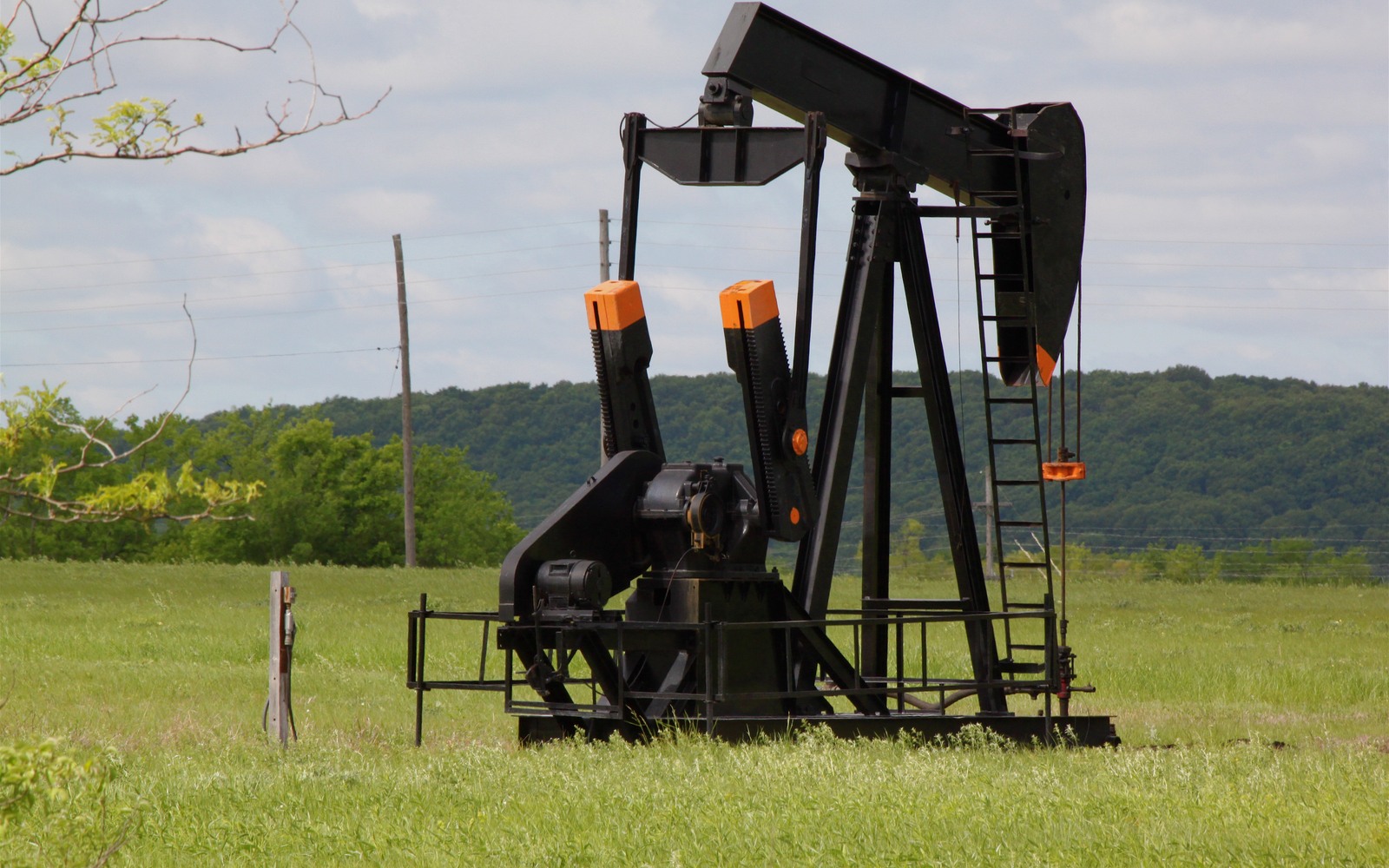
The sight of beam pump units nodding across a lease tells you one thing about the basin: the wells are on artificial lift and the oil is moving. Pumpjacks remain the dominant method of mechanical artificial lift for stripper wells and declining producers across the Permian, Mid-Continent, Appalachian, and California fields, and the capital behind each unit represents a straightforward but meaningful financing decision for the operator who owns the lease.
Pumpjack units are categorized by the API designation system that combines stroke length and peak polished rod load, with common field units ranging from the smaller 114 and 160 frame sizes on low-volume producers to the large 640 and 912 units on heavier-load applications. A used 228 or 320 frame pumpjack in good condition typically sells running about $15k to $60k depending on gear reducer condition, stroke, and counterweight configuration. Larger units and new equipment from OEM manufacturers sit at higher price points. Our minimum transaction starts at $50,000, which means pumpjack deals typically involve multiple units or a single large unit, often combined with the surface production equipment that goes with it.
We work with independent oil and gas producers who are installing lift on new wells, re-equipping stripper leases, or expanding production on an existing field. Multiple-unit packages for operators with a portfolio of low-volume producers are a common structure in our portfolio.
Structuring a pumpjack financing deal
Most pumpjack financing packages involve more than one unit, because the $50,000 minimum transaction means single smaller units often need to be bundled with other surface equipment to hit the threshold. The most natural bundles are pumpjacks financed alongside separators, storage tanks, or production control equipment that goes on the same lease. We can structure a single approval that covers the full surface production package rather than requiring separate applications for each component.
For operators equipping multiple leases at once, a blanket facility that covers a stated number of units under a single credit limit is often the most efficient path. The operator draws against the facility as units are purchased and installed, rather than going back for a new approval each time. This structure works particularly well for workover and well service operators who install and sometimes own the lift equipment they put on contract wells.
Documentation needed for a pumpjack package depends on the total deal size. For packages under $400,000, short-form approval is available for borrowers with qualifying credit. Above that threshold, three months of bank statements and often a prior year return will be requested. The key financial indicator lenders look at is whether the combined cash flow from the operator's lease portfolio supports the payment comfortably.
Used pumpjack units purchased through private party transactions are eligible. A significant share of pumpjack transfers happen directly between operators or through oilfield equipment dealers, and we handle those transactions as smoothly as new equipment purchases from a manufacturer's dealer network.
Pumpjack demand and the stripper well market
Stripper wells, defined as producing 15 barrels of oil per day or fewer, account for a substantial share of US domestic production in aggregate. The National Stripper Well Association estimates that stripper wells represent the majority of active producing wells in the US, and that segment of the market is almost entirely dependent on artificial lift. That is a large and stable demand base for pumpjack equipment and the financing that supports it.
The Mid-Continent, Permian, and Appalachian basins have the largest concentrations of beam pump installations in the US. Operators in those basins who are acquiring additional lease acreage or re-equipping older leases represent the core buyer profile for pumpjack financing. The economics of stripper production are margins-sensitive, so financing structures that keep monthly payments low relative to the revenue the well generates are important to these operators.
Pumpjack replacement cycles also drive steady demand. Older gear reducers, worn counterweights, and deteriorated prime mover equipment on legacy installations are regularly replaced, and those replacement projects represent financing opportunities for operators who want to preserve cash rather than spend it all upfront on a re-equipment project.
Refinance and sale-leaseback on existing pumpjack assets
Operators who own pumpjack units free and clear, particularly on leases where production has remained steady, have collateral they can borrow against. A Equipment Sale-Leaseback on a group of clear-titled pumpjack units can generate working capital for lease operating expenses, infrastructure improvements, or the purchase of additional acreage. The units stay in service, the operator receives cash at closing, and the monthly lease payment is structured to fit within the production revenue from the leases the units are serving.
Equipment refinancing is also available for operators who financed their pumpjack installations at higher rates and want to reduce the monthly obligation. If the current payoff is below fair market value and the credit profile has improved since original financing, a rate reduction refinance is often achievable.
It is worth checking how this fits with Cash-Out Refinance, Equipment Refinancing, and Used Equipment Financing.
Questions before you send the file.
Straight answers about pumpjack financing, documentation, timing, and equipment eligibility.
Can I finance pumpjacks that are already installed on a well and generating production revenue?
Yes. If the units are already in service and generating revenue, a cash-out refinance or sale-leaseback can monetize the equity in them. We look at the current market value of the units, any existing liens, and the production revenue from the leases they are serving. This is a common structure for operators who installed equipment out of pocket and now want to redeploy that capital.
The wells I am equipping are marginal producers. Will lenders view that as a risk?
Marginal production economics are a reality in the stripper well business, and lenders who work with this segment understand it. The key is that the combined cash flow from all the operator's leases supports the payment, not that each individual well is highly profitable. A diversified portfolio of low-volume producers that together generate solid monthly revenue is a manageable collateral and repayment picture.
Can I finance the installation costs (labor, foundation, wellhead connections) along with the pumpjack purchase?
Installation costs can sometimes be rolled into the financing, particularly when they are invoiced by a licensed contractor and are part of a turn-key project. Soft costs like labor and site prep are generally financed at a lower percentage of total cost than the equipment itself, but including them in a single transaction rather than funding installation separately is a common approach.
I want to buy out the remaining lease on five units that another operator financed and is now selling. How does that work?
Buying a financed asset from another party requires the seller to pay off the existing lien at closing so you receive clear title. We can structure the purchase so our financing provides the funds to close the transaction, pay off the seller's lender, and transfer clear title to you. This is a lease buyout or assumption-and-replacement structure, and we handle them regularly.
Are there depreciation advantages to financing pumpjacks under a specific structure?
Yes, and the best structure depends on your tax situation. A dollar buyout lease or direct loan is treated as a purchase for tax purposes, which means depreciation deductions and potential Section 179 treatment apply. An operating lease payment is typically deductible as a business expense without the asset appearing on your balance sheet. Confirm the structure with your tax advisor before closing.
Quote desk
Get terms on Pumpjack Financing.
Send the asset details, seller quote, and target timing. We will review the request and tell you what documentation is needed next.