

Gas Compression Financing
Finance gas compressor units and compression packages for gathering, production, and midstream applications. Loans from $50k, short-form to $400k, B/C.
Gas compression keeps the basin moving. From low-pressure gathering at the wellhead to high-pressure boosting stations along the gathering system, compression capacity is what determines whether gas gets to market or gets flared. Gas compression contractors running utilization-based rental businesses and independent producers buying compression for their own production both need access to capital that understands the asset class and the market cycle it operates in.
Compressor units range from small wellhead skids rated at 50 to 100 horsepower for low-volume producers to large multi-stage units running 1,000 to 1,500 horsepower on gathering systems handling significant throughput. Reciprocating compressor packages with Ariel or Exterran frames, driven by Waukesha or Caterpillar engines, are the workhorses of the field. Centrifugal compressor packages serve higher-volume midstream applications. The capital range for a single unit runs from under $100,000 on a smaller recip skid to well above $1 million on a large, purpose-built gathering station package. We finance across that full spectrum.
Financing for compression assets is our bread and butter. We work with independent producers adding compression to extend the producing life of declining wells, and with compression rental contractors who are adding packages to meet new gathering system contracts.
How compression equipment is evaluated as collateral
Gas compressor packages hold value well in the secondary market compared to a lot of oilfield equipment, partly because of the diversity of applications they can serve across production, gathering, processing, and even non-oilfield industrial applications. That breadth of demand supports the collateral position for lenders and generally allows for favorable loan-to-value ratios when the equipment is well-documented and in good condition.
The specific factors that drive collateral evaluation are frame manufacturer and model, engine horsepower and type, hours on the engine and frame, condition of the cylinders and valves, and the overall package configuration. Packages designed for Ariel compressor frames or driven by Waukesha engines are well-known quantities in the secondary market with accessible appraisal data. High-hours units are not automatically excluded, but they require documentation of major overhaul work to support a strong collateral valuation. A frame that has had a recent cylinder overhaul and valve replacement is a different loan than one that is running on original internal components at 50,000 hours.
Package condition, gas service history, and the presence of controls and instrumentation also affect value. A fully automated package with electronic controls and remote monitoring capability commands a premium over a manually operated unit, and that premium is reflected in both market value and lender confidence.
Financing terms on compression packages
Compression financing is available as a term loan, a capital lease with a dollar buyout, or an operating lease depending on the buyer's preference and tax situation. Term loans run from 36 to 84 months depending on the age and condition of the equipment. Newer packages with documented low hours typically qualify for longer terms at better rates. Older or higher-hours equipment may be limited to shorter terms.
For operators who want to preserve capital for operational expenses, a dollar buyout lease is often the right structure. You get the use of the compression package on a fixed monthly payment, and at the end of the term you own it outright for a nominal payment. The payment schedule is designed so that the lease cost matches the revenue the package generates from the contract it is placed on.
Refinancing is also available on compression equipment. If you financed a package several years ago at a higher rate, or if you need to pull equity out of a package you own outright, we can structure either a rate-reduction refinance or a cash-out refinance that frees up working capital. Some operators use cash-out proceeds to fund the purchase of a second or third compression package without taking on a full down payment commitment on each new unit.
Related compression equipment and financing paths
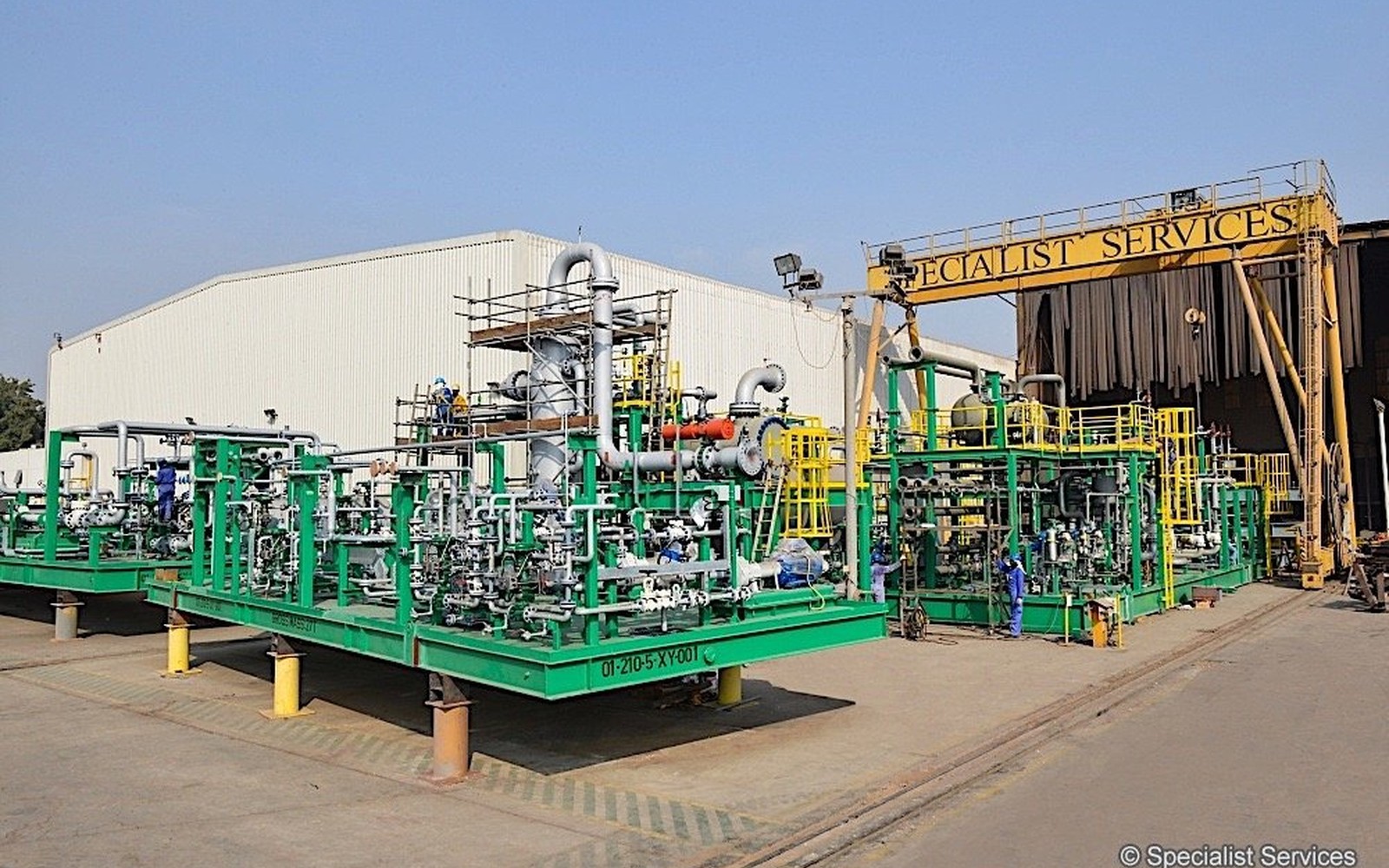
Gas compression often travels with other production infrastructure. Operators building out a new wellpad or gathering system frequently need full compressor package financing that covers the frame, engine, cooler, and piping as an integrated unit, rather than financing components separately. We can structure a single approval that covers the entire package rather than requiring separate applications for each component.
Separation equipment also connects to compression on many wellpads, because gas needs to be separated from liquids before it enters the compressor suction. If you are also financing a separator or treater alongside a compressor package, we can evaluate the full asset set together. Similarly, generator sets that provide auxiliary power to compression stations are often financed alongside the compressor itself.
For compression rental companies building their fleet for contracts with producers and midstream operators, we work with multi-unit programs that can cover a batch of packages under a single credit facility, which simplifies the administrative side considerably compared to unit-by-unit financing.
Get gas compression financing
Whether it is a single wellhead skid or a multi-unit gathering station package, we finance compression across the full size range and credit spectrum. Tell us the package specs and price and we will build the structure that fits your operation.
Questions before you send the file.
Straight answers about gas compression financing, documentation, timing, and equipment eligibility.
Can I finance a compressor package that is already on a long-term rental contract with a producer?
Yes, and in many cases the rental contract strengthens the application by demonstrating a defined revenue stream against the asset. We can work with the contract structure to build the financing around the rental income. Note that some contract structures limit who can hold a lien on the equipment, so we will review the rental agreement to confirm the financing is permissible under its terms.
I own three compression packages free and clear. Can I use them as collateral to fund a fourth purchase?
Yes. This is a blanket lien structure where the existing clear-titled assets serve as additional collateral security alongside the newly purchased package. It can improve the loan-to-value on the new purchase and sometimes allows a lower down payment. We assess the combined collateral value of the existing packages and structure accordingly.
How do lenders handle compression equipment that has been reconditioned or repowered?
Reconditioned and repowered packages can be financed, but they require documentation of the rebuild scope and the parts and labor that went into it. A repowered package with a new engine and recent cylinder work can actually be a more fundable asset than an older unit with all-original components, because the service life ahead of it is longer and the risk of near-term failure is lower.
Can I finance a compressor package being built to order by an OEM? The lead time is 16 weeks.
Progress payment financing is possible for build-to-order equipment, though it is more complex than financing a unit already on the ground. We work with some lenders who will fund against milestones during the build process and convert to a permanent note at delivery. Contact us early in the order process, not when the unit is almost ready to ship.
My credit score is around 590 because of a slow period during the last oil price downturn. Can I qualify?
Yes, within the B/C credit programs we access. The oilfield service industry has a well-documented history of cyclical credit stress, and our lenders understand that a score in the 580 to 640 range during a downturn does not reflect current creditworthiness if the business is now performing. Current bank statements and evidence of active contracts carry significant weight in these approvals.
Quote desk
Get terms on Gas Compression Financing.
Send the asset details, seller quote, and target timing. We will review the request and tell you what documentation is needed next.