

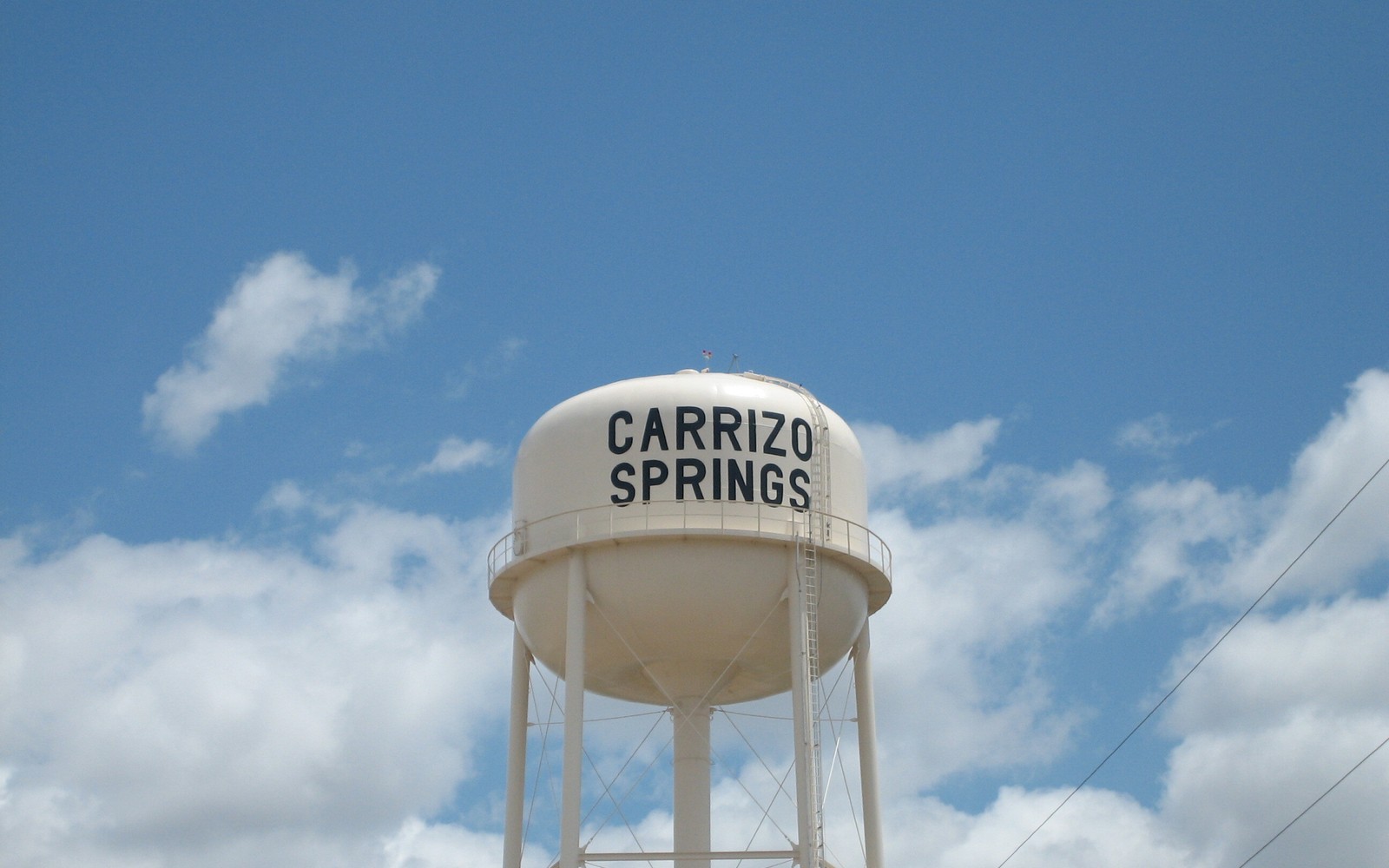
Carrizo Springs, TX
Equipment financing for oilfield operators in Carrizo Springs and Dimmit County. Fund workover rigs, frac spreads, oilfield trucks, and production equipment.
Dimmit County sits squarely in the Eagle Ford's volatile oil window, and Carrizo Springs is the county seat where operators stage their equipment before running southwest toward the Maverick Basin and north into the heart of the play. Activity here follows crude prices tightly. When the rig count climbs, service companies moving iron into the area need capital fast, because the operators signing AFEs don't wait. Slow money loses contracts to whoever showed up ready.
We finance oilfield equipment for service companies, independent producers, and rental tool operators based in or working the Carrizo Springs corridor. The minimum is $50,000 and the sweet spot is $100,000 to $1.5 million, covering everything from a single workover rig to a multi-unit spread. Decisions come back in days, not weeks, and funding follows shortly after. Both new iron and used yard-ready equipment qualify.
The Eagle Ford has gone through several boom-and-bust cycles since large-scale development began around 2008. Operators in Dimmit County know the cycle and know that capital availability at the right moment separates companies that grow from those that merely survive. We're built for that rhythm. B/C credit is considered, and for deals under roughly $400,000 you can get approved on an application and three months of bank statements without a full financials package.
The Eagle Ford Volatile Oil Window Around Dimmit County
The Eagle Ford Shale's volatile oil window runs from roughly Webb County through Dimmit, La Salle, and Frio counties before transitioning into the dry gas and condensate areas to the east. Dimmit County has historically produced from multiple formations, but Eagle Ford horizontal development transformed the economics after 2010. Carrizo Springs sits at roughly the geographic center of a productive area that attracted major operators including Pioneer, Marathon, and ConocoPhillips during peak development.
Production in the Dimmit County portion of the Eagle Ford is oil-heavy, which means the equipment mix is different from the gas-condensate areas. Frac spreads, pumping units, separator trains, and tank batteries dominate, alongside a substantial oilfield trucking fleet that moves crude, water, and equipment between leases. Saltwater disposal has grown significantly as produced water volumes increased with horizontal well spacing patterns.
Pipeline infrastructure has improved considerably since the early years of Eagle Ford development, but truck transport still moves a large share of crude and condensate from leases in the southern part of the county. That dependence on oilfield trucks means the trucking operators running the area carry meaningful equipment capital on their books and often need to refresh or expand their fleets on short notice when operators sign new take-or-pay arrangements.
Equipment We Finance in the Carrizo Springs Area
The equipment range we cover reflects what's actually working in South Texas. Production equipment, well service rigs, trucking assets, and compression all qualify. Here's the breakdown:
- Workover and well service rigs for operators and service companies handling recompletions and artificial lift maintenance
- Frac spreads and pump trucks, including single units going to smaller pumping companies that work as sub-spreads
- Pumpjacks and artificial lift systems for producers managing declining horizontal wells
- Storage tanks, separators, and heater treaters going into lease production facilities
- Vacuum trucks and water transfer equipment for SWD operators managing produced water logistics
- Service trucks, gin pole units, and winch trucks used by location construction and roustabout crews
- Compressor packages for gathering system operators moving gas off lease
Used equipment that's been through a shop inspection qualifies under the same terms as new iron. If the machine has a serial number, a functioning market, and a legitimate seller, we can work with it. We also finance private-party transactions between operators when an asset changes hands informally.
Credit Situations and Document Requirements
The oilfield runs on credit that doesn't always look clean on paper. Companies that went through the 2015-2016 or 2019-2020 downturns may carry derogatories from periods when receivables dried up while fixed costs stayed put. We know the story and we underwrite accordingly. B and C credit are considered, and a strong equipment profile and recent revenue can offset a blemished history.
For deals under approximately $400,000, the file is typically an application, three months of bank statements, and basic business documentation. Larger transactions bring in full financials, tax returns, and sometimes an equipment appraisal, but even at that size the process is measured in days rather than the weeks that a bank would take. Bad-credit equipment financing is available for operators who have a solid revenue picture even if the credit history has rough patches.
Startups and companies in business less than two years can sometimes qualify through new business financing programs, particularly when the principals have demonstrable oilfield operating experience and the equipment going in is a collateral-strong asset like a workover rig or a pump truck with clear resale value.
Refinancing and Sale-Leaseback for South Texas Operators
Operators running the Eagle Ford often have equipment that's paid down substantially since purchase, and that equity doesn't have to sit idle. A Equipment Sale-Leaseback converts hard iron into operating capital without putting the equipment out of service. You transfer title, receive a lump sum, and continue using the equipment under a lease structure that suits your cash flow. The equipment keeps working while the cash goes where you need it, whether that's a new rig deposit, payroll during a slow month, or capital for a contract opportunity.
Cash-out refinancing works similarly for equipment you own outright or with low remaining balances. The equity gets monetized through a new loan, and the proceeds are unrestricted. South Texas operators have used this structure to fund location construction, purchase additional yard equipment, or bridge a receivables gap between job completion and operator payment.
Questions before you send the file.
Straight answers about carrizo springs, tx, documentation, timing, and equipment eligibility.
Can I finance a used workover rig I'm buying from another South Texas operator?
Yes. Private-party transactions between oilfield operators are something we do regularly. We need a bill of sale, equipment details, and documentation from both sides of the transaction. Funding timelines are similar to dealer purchases, typically one to two weeks from application to funds.
My company had payment issues during the 2020 downturn. Does that disqualify us?
Not automatically. We look at the full picture, including what has happened to revenue and payment history since then. If you've been current for 12 to 18 months and the equipment is strong collateral, we can often structure something that works. B and C credit programs exist specifically for situations like this.
How fast can you actually close? I have a rig deal that needs to move this week.
On application-only deals under $400,000 we can sometimes reach a decision within 48 hours of receiving a complete file. Funding follows approval by a few business days. Larger transactions take a bit longer because they involve more diligence, but two weeks from application to funded is realistic for most deals.
I own a pump truck free and clear. Can I pull cash out of it?
Yes. A cash-out refinance or sale-leaseback will work. We'll value the equipment based on current market, structure a loan or lease against it, and the proceeds are yours to use as working capital, a down payment on another unit, or anything else the business needs.
Do you require a down payment on all deals?
Not always. Some deals fund without a down payment, particularly on strong collateral with a creditworthy borrower. On used equipment or tighter credit situations we may ask for 10 to 20 percent down to bring the loan-to-value into a range we can approve. We'll tell you upfront what structure we're working with.
Quote desk
Get terms on Carrizo Springs, TX.
Send the asset details, seller quote, and target timing. We will review the request and tell you what documentation is needed next.