

Frac Spread Financing
Finance complete frac spreads including pumps, blenders, hydration units, data vans, and support equipment. Loans, leases, and sale-leaseback. Oilfield lender review after the complete file.
A frac spread is the most capital-intensive single asset in pressure pumping. Buying one pump is a transaction. Buying a complete spread, or rebuilding one after a multi-year standdown, is a project that involves eight-figure capital and requires a financing structure that can handle complexity. Pressure pumping companies entering a new basin, independent operators converting from contract to own-iron, and service companies recapitalizing after a down cycle all face the same fundamental question: who will write the paper on a fleet this large, and what structure actually fits the operational cash flow?
We work with hydraulic fracturing companies and pressure pumping companies on spread financing across the asset mix. That includes complete spreads purchased as a fleet, partial spreads assembled from multiple sellers, and refinancing of existing spread iron to release capital for growth. Our minimum is $50,000, but frac spread deals almost always run into the millions. The structure we bring to these transactions reflects how frac revenue actually arrives: based on pumping hours and stage counts, not on a predictable monthly schedule.
Components of a Frac Spread and How They're Financed
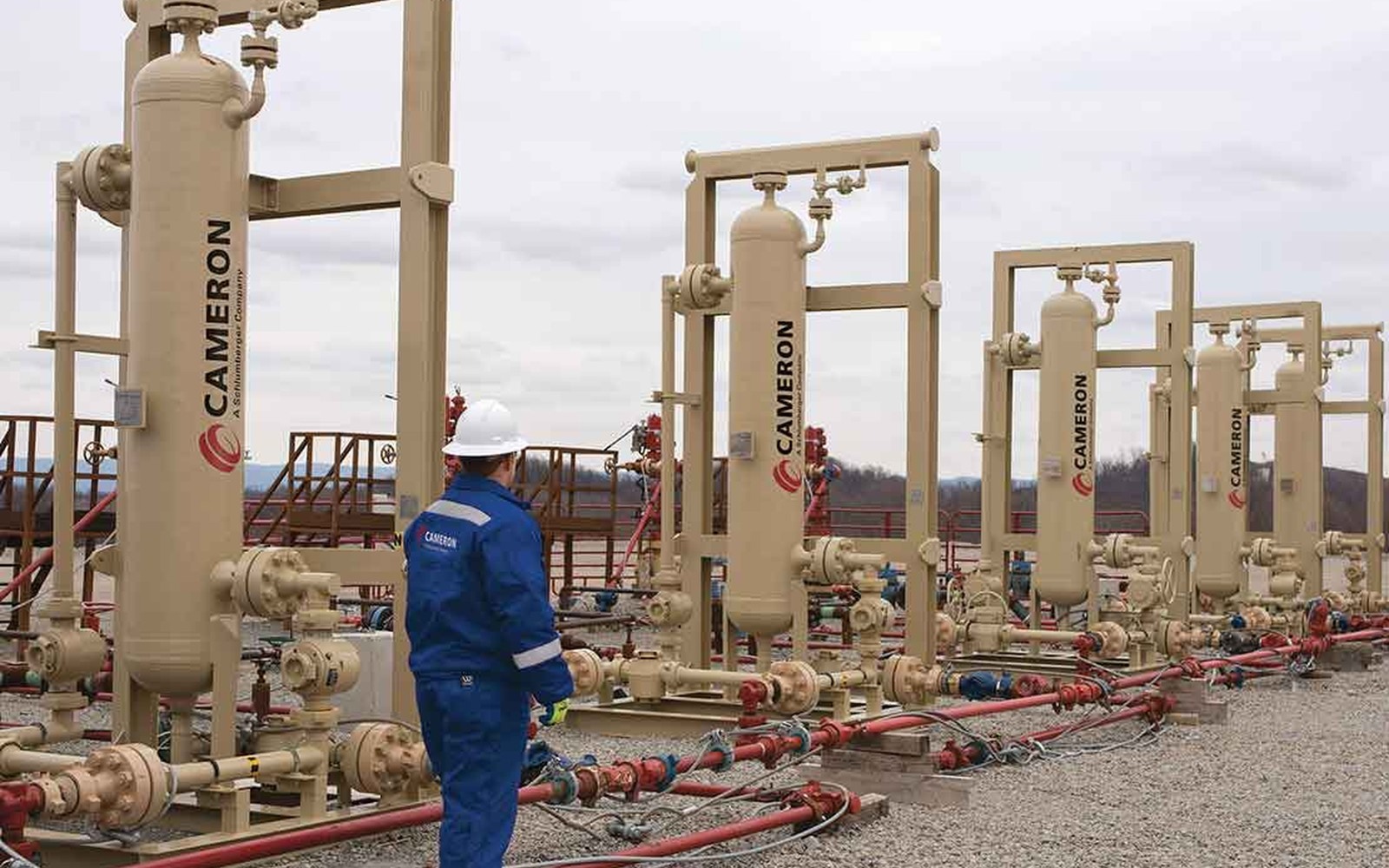
A conventional Tier 2 or Tier 4 frac spread includes multiple high-pressure pump trucks (typically five to ten or more units depending on designed treating rate), a blender unit, a hydration unit, a data van, a chemical additive system (CAS), and a sandmaster or bulk transport system for proppant delivery. Support equipment like water transfer pump sets, manifold trailers, and coiled tubing for plug drill-out often accompanies a full spread deployment. Each of these components represents a financeable asset with its own secondary market, and a complete spread deal may involve multiple lender tranches or a single structured facility depending on the total amount and the borrower's balance sheet.
The horsepower rating of the pump units is the primary driver of spread value. A spread running 2,500-horsepower pump trucks (like units powered by QSK50 or 3512C engines) has a different market position than a spread of older 2,000-horsepower iron. Tier 4 DGB (Dual Fuel or Dynamic Gas Blending) capability commands a premium because operators increasingly require lower emissions profiles, particularly in the Permian Basin and the DJ Basin. Fleet age, hours, and rebuild history all feed into the lender's collateral assessment and the advance rate they'll extend against the iron.
- Pump truck HP ratings: 1,500, 2,000, and 2,500 HP are common spread configurations
- Emissions tier: Tier 2 and Tier 4 engines price differently in the secondary market
- Blender, hydration, and CAS units are key spread components with independent collateral value
- Hours and rebuild documentation directly affect advance rates on used spread iron
How a Frac Spread Financing Deal Gets Structured
A spread deal almost always starts with an equipment list and an asset appraisal. The lender needs to know exactly what's in the spread: VINs, serial numbers, engine models, emission tier, hours on the engines, and rebuild history on the fluid ends and power ends. For a complete spread with clean documentation, a senior lender may advance 70 to 80 percent of the fair market value across the fleet. For older iron with high hours or undocumented rebuild histories, advance rates compress and equity contributions increase.
Financing structures for frac spreads span loans with fixed monthly payments, oilfield equipment leases that may offer off-balance-sheet treatment, and Equipment Sale-Leaseback arrangements for companies that want to recapitalize without exiting the asset. Multi-year term loans of four to seven years are common on spread financing. For companies with existing spread iron that needs capital infusion, a cash-out refinance against owned equipment can generate working capital without a full spread sale. Operators in Midland, TX have used all of these structures, and the right one depends on the company's tax position, balance sheet, and cash flow forecasts against the stage count calendar.
Credit and Documentation for Spread-Level Deals
A frac spread transaction is not an short-form deal. The dollar amounts involved require real financial documentation: two to three years of business tax returns, current financial statements, a schedule of existing debt and liens, and sometimes a personal financial statement from the principal. What we bring to that process is a panel of lenders who understand oilfield cyclicality. A pressure pumping company that had a difficult 2020 but has been running full spreads since 2022 looks very different to an oilfield-experienced lender than to a generic commercial bank that just sees a down year on the tax return.
B/C credit situations are workable on spread deals when the equity contribution is appropriate and the collateral documentation is clean. A company that can put 25 to 35 percent down on a spread and produce three months of recent bank statements showing active frac revenue has options, even with credit challenges. We represent your deal to lenders who actually want this paper, not to banks that will sit on the file for sixty days and then decline based on a debt-to-equity ratio computed without any understanding of frac industry balance sheets. If you have B/C credit, tell us upfront and we'll match you to the right part of the panel from the start.
Questions before you send the file.
Straight answers about frac spread financing, documentation, timing, and equipment eligibility.
Can I finance a frac spread assembled from multiple separate sellers?
Yes, though it adds complexity. Multi-seller acquisitions require separate purchase agreements for each component, title and lien checks across multiple sellers, and sometimes coordination of closings so you don't end up owning half a spread. The financing facility can be structured against the combined asset list, but the documentation burden is higher than a single-source purchase. Plan for a longer closing timeline when assembling a spread from multiple sellers.
We have a spread sitting idle. Can we use a sale-leaseback to raise capital without selling the equipment?
A sale-leaseback on idle equipment is harder than on deployed equipment. Lenders want to see that the asset has operational demand, because their recourse is the equipment if payments stop. If the spread is temporarily idle between contracts but has a near-term deployment planned, that's a conversation worth having. If the equipment has been idle for more than a year with no contract horizon, advance rates will be limited and the deal may not generate as much capital as you expect.
What frac pump horsepower ratings do lenders prefer as collateral?
2,500 HP Tier 4 units carry the strongest collateral reception in the current market because they command operator demand and the secondary market for them is active. Older 1,500 HP Tier 2 units still finance, but at lower advance rates and potentially shorter terms because the secondary market for that iron is thinner. The specific engine (Cat 3512C versus 3512E, Cummins QSK50 versus QSK60) matters because lenders track secondary market values by configuration, not just horsepower.
How do lenders treat frac pump fluid end wear and rebuild history?
Fluid end condition is a real collateral variable. A pump with fresh fluid ends, recent valve and seat replacement, and documented inspection history lends better than the same pump with worn-through fluid ends and no service records. If you're acquiring a spread, having the fluid ends inspected before closing gives you negotiation leverage on price and gives the lender clean documentation. If the fluid ends need replacement post-purchase, factor that cost into your capital plan and be transparent about it.
Is there financing available for electric frac spreads (e-frac)?
Electric frac equipment (turbine-driven e-frac spreads, grid-connected setups) is an emerging collateral category. Lenders are increasingly comfortable with e-frac assets as the technology matures and the secondary market develops. Deal structure on e-frac equipment may differ from conventional diesel spreads because the generating and power distribution infrastructure is an integral part of the collateral. These deals are available but require lenders who understand the technology, and our panel includes contacts with e-frac financing experience.
Quote desk
Get terms on Frac Spread Financing.
Send the asset details, seller quote, and target timing. We will review the request and tell you what documentation is needed next.