

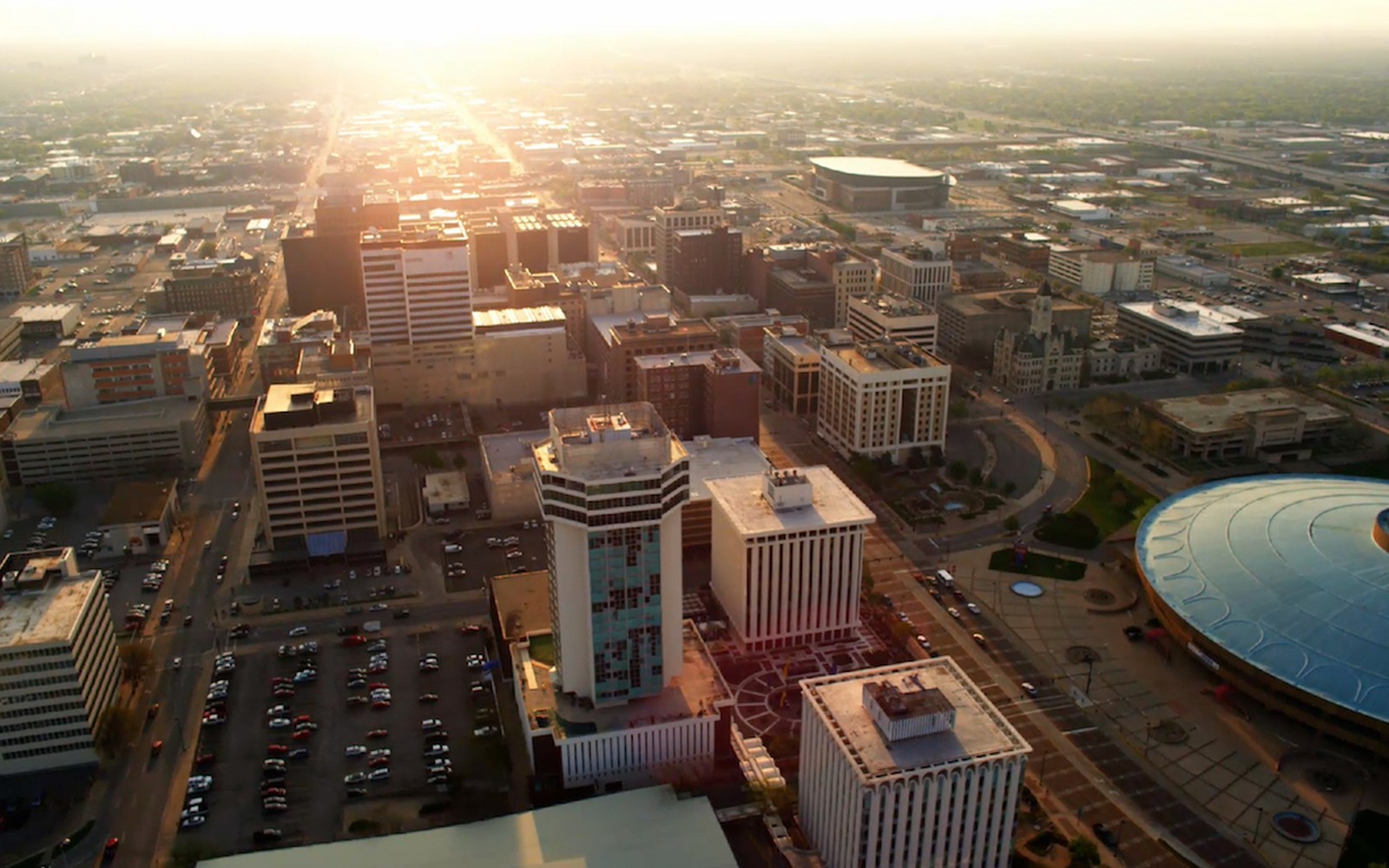
Wichita, KS
Equipment financing for oilfield contractors and producers in Wichita, KS. Covering the Central Kansas Uplift, Hugoton Embayment, and mid-continent operations.
Kansas has been producing oil continuously since the 1890s, and Wichita has long served as the commercial and logistics spine for the contractors who work the Central Kansas Uplift, the Hugoton Embayment, and the stretch of the Anadarko Basin that crosses the Oklahoma border into southwest Kansas. Operators based here are not chasing a boom; they run stripper wells, compression trains, and workover spreads on fields that produce steadily and reward operators who keep their iron running at high utilization rather than cycling in and out of the market. That kind of business needs equipment financing structured around consistent cash flow, not commodity spikes, and that is exactly what we build.
We finance oil and gas equipment for Wichita-area contractors and producers at a $50,000 minimum, with the sweet spot running about $100k to $150k and credits up to roughly $400,000 handled on an short-form basis. New iron, used iron, refinancing existing debt, or a sale-leaseback to pull equity out of equipment you already own: all of them are in scope. B and C credit profiles are considered, and most deals close in one to two weeks.
The Mid-Continent Oilfield Wichita Serves
The Hugoton gas field stretching across southwest Kansas into the Oklahoma and Colorado panhandles is one of the largest natural gas accumulations in North America. Permian-age formations hold the bulk of production, and a dense network of gathering lines, compressor stations, and pump stations keeps the gas moving. For compression contractors, that infrastructure translates into long-running service contracts where uptime is the whole job. A compressor package that sits waiting on parts is a contract at risk.
Further north and east, the Central Kansas Uplift produces oil from shallow carbonate formations in Russell, Ellis, Barton, and Stafford counties. This is classic stripper-well country: hundreds of wells pumping modest volumes, each requiring a reliable pumpjack and periodic workover attention. Artificial lift contractors who operate in this corridor keep workover rigs and service units moving constantly to keep those barrels coming. The economics are tight, which means equipment payment structure matters as much as the rate.
Southwest Kansas, closer to Liberal and Hugoton, also sees active gas gathering construction and pipeline maintenance work, creating steady demand for pipeline construction equipment such as backhoes, sidebooms, and welding rigs. Wichita sits at the geographic midpoint of all of this activity, making it a natural base for service companies covering multiple plays from a single yard.
The Operators We Finance in the Wichita Market
Artificial lift specialists are the backbone of the Central Kansas oil patch. Companies that install, pull, and maintain pumpjacks across stripper-well fields regularly carry fleets of service units, vacuum trucks, and rod-pulling rigs. If that equipment is financed, we can often improve your payment terms; if you own it outright, a Equipment Sale-Leaseback returns working capital without you giving up the machine. Workover and well service operators fit the same profile.
Compression contractors working the Hugoton gathering network depend on Waukesha and Ariel packages that have to run at availability rates north of 95 percent to satisfy gas marketing agreements. A single compressor package failure at the wrong time can trigger contract penalties. If your package is aging or your fleet needs expansion ahead of a new contract, gas compression financing structures a payment around the day rate the unit generates rather than requiring a large cash outlay up front.
Oilfield trucking companies based in Wichita move equipment, pipe, and fluid across the mid-continent basin. Winch trucks, vacuum trucks, and gin pole trucks supporting the Kansas oil patch all qualify. Pipeline contractors running horizontal directional drilling equipment or sidebooms on gas gathering projects in southwest Kansas are also in our wheelhouse. So are independent producers who need a wellhead separator, heater-treater, or storage tank farm to bring a new producer online.
Equipment That Moves in This Market
Pumpjacks and associated artificial lift hardware are the highest-volume assets in central Kansas. Buyers here typically source used units from regional dealers or from operators consolidating their fleets, so used equipment financing is common. We look at the asset, the buyer's operating history, and cash flow documentation rather than just credit score, which matters in a market where many operators run tight books but have decades of consistent production history.
Workover rigs from manufacturers like Dreco, IRI, or National fall running about $150k to $400k for capable used units, putting them squarely in the short-form window for qualified buyers. A well-service rig with a recent certification and a documented maintenance history is a bankable asset, even for a company with a credit file that conventional lenders might flag. Our oilfield challenged-credit financing program was built for exactly that profile.
Compressor packages powering Hugoton gathering lines range from smaller reciprocating units up to high-horsepower packages driven by Caterpillar or Waukesha engines. For compressor contractors adding capacity ahead of a new gathering contract, a compression package financing arrangement spreads the capital cost over the life of the contract. Frac tanks, heater-treaters, and separators for production facilities round out the common ticket financing paths we see from Kansas-based operators.
How the Process Works From Wichita
You do not need to be physically located downtown to work with us. The entire process runs remotely. For deals up to approximately $400,000, we work on an short-form basis: a two-page credit application and recent operating statements is typically enough to get a decision. Larger transactions require full financials, but the timeline does not change much: most deals fund in seven to fourteen days from the time we have a complete package.
Wichita-area operators dealing in used equipment sourced from auction or private party can use our private-party equipment financing to fund deals directly with the seller. We also handle situations where a contractor just won a new gathering or compression contract and needs to deploy equipment immediately. Speed in those cases is not a convenience; it is the difference between fielding the spread and watching the work go to a competitor who had capital ready.
If you have existing equipment debt at rates that no longer make sense given what the market looks like, equipment refinancing can lower your payment and free up operating cash. Bring the current payoff and lender information; we run the comparison and tell you whether it pencils. There is no cost to check.
Questions before you send the file.
Straight answers about wichita, ks, documentation, timing, and equipment eligibility.
Can I finance used pumpjacks or workover rigs sourced from a private seller or auction?
Yes. We handle private-party and auction purchases for oilfield equipment. You will need a bill of sale or auction confirmation showing the purchase price and asset description. We fund the deal directly, so you are not waiting on a bank floor plan. Most Kansas operators buying used field equipment this way close in under two weeks.
My company has a thin credit file but fifteen years of production history. Will that count for anything?
Operating history and cash flow documentation carry real weight in our underwriting, especially for stripper-well operators and compression contractors who run lean corporate books. Bank statements showing consistent deposit flow from production receipts or service contracts go a long way. The thin file alone is not a hard stop; it is a starting point for a conversation.
I own a compression package outright. Can I borrow against it without selling it?
A sale-leaseback lets you sell the unit to the financing company and lease it back with a buyout at the end of the term. You keep operating the compressor, get cash in hand now, and make scheduled payments over the lease term. For a package with meaningful market value, this can put six figures into your operating account without disrupting the service contract the unit is on.
Do you finance frac tanks and separators for a new production facility buildout?
Yes. Frac tanks, heater-treaters, separators, and storage tank batteries all qualify as financeable assets. They need to be identifiable and titled or have serial documentation. For a full production facility package, we can often structure a single facility rather than running separate deals on each component, which simplifies your paperwork and reduces total transaction cost.
How do you handle gas compression contracts where the day rate covers the payment but cash flow is monthly?
Monthly payment structures are standard. We do not require weekly or bi-weekly payments that would cut against a monthly service billing cycle. If a compression contract has seasonal variation or step-ups, we can sometimes build a payment schedule that reflects that pattern. Bring the contract terms and we will see what fits.
Quote desk
Get terms on Wichita, KS.
Send the asset details, seller quote, and target timing. We will review the request and tell you what documentation is needed next.