

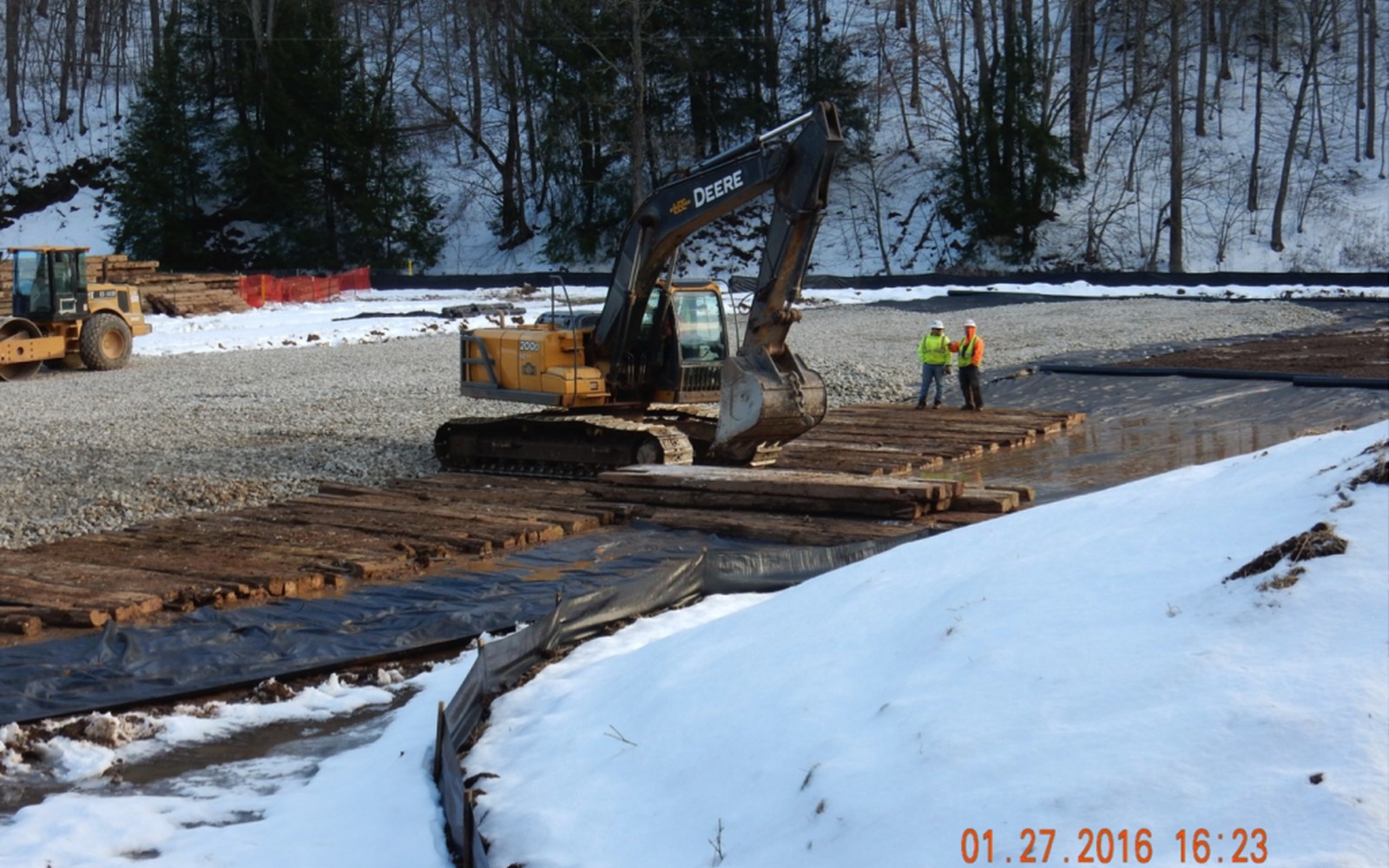
Pipeline Construction Equipment Financing
Finance pipeline construction equipment spreads: pipelayers, welding rigs, sidebooms, bending machines, trenchers, HDD rigs, and support equipment. Fast.
Pipeline construction is capital-intensive work. A fully equipped mainline spread includes pipelayers, sidebooms, bending machines, welding rigs, excavators, padding equipment, support trucks, and often HDD or bore equipment for crossings. Building that capability through equipment purchases rather than rentals is how contractors control their cost structure and their schedule. We finance pipeline construction equipment for contractors operating in oil, gas, and liquid transmission pipeline work, gathering system construction, and distribution pipeline projects across the producing basins and beyond.
The ticket for a complete spread capable of handling large-diameter mainline work runs into the millions. We work with contractors at every scale, from single-unit subcontractors needing one pipelayer to contractors building out full spreads for multi-year projects. Minimum financing is $50,000; short-form processing covers single assets to approximately $400,000; larger multi-asset and multi-unit transactions are handled with full documentation that typically requires recent operating statements and sometimes a review of project contracts and company financials.
The financing structures available for pipeline construction equipment span purchase loans, equipment leases, and sale-leaseback arrangements. The right structure depends on how you want the equipment on the balance sheet, the project's duration, and your company's capital plan. We discuss structure with every applicant rather than defaulting to a single template.
Where Pipeline Construction Activity Is Concentrated
Oil and gas pipeline construction in the United States follows the producing basins. The Permian Basin is the dominant source of new pipeline construction demand, driven by continued crude oil, natural gas, and produced water infrastructure buildout. Eagle Ford gathering system work, DJ Basin and Wattenberg gathering expansion, Appalachian gas transmission and gathering, and Gulf Coast liquids export corridor projects are all active pipeline construction markets.
Gathering system construction is particularly active across the Permian. The volume of associated natural gas produced alongside Permian crude requires an ongoing pace of new gathering and compression infrastructure. Contractors based in Midland and Odessa are at the center of that activity. Further north, Bakken gathering and transmission work in the Williston Basin around Williston, ND continues to generate equipment demand. Appalachian pipeline work centers on the Marcellus and Utica plays, with major contractor operations based in Pittsburgh and surrounding counties.
Regulated transmission line projects under FERC oversight add a layer of complexity to the contractor's capital situation because the project timeline from certificate approval to construction completion can extend eighteen to thirty-six months, during which equipment must be staged and mobilized without full project payment having started. We understand these timing dynamics and structure financing accordingly.
Pipeline Equipment Categories We Finance
The range of equipment involved in pipeline construction is broad, and we finance across the full scope:
- Track-mounted laying equipment: Pipelayers and sidebooms for mainline and gathering pipe lowering operations
- Bending equipment: Pipe bending machines for field bends to accommodate route geometry
- Welding and joining: Pipeline welding rigs and support equipment for girth weld operations
- Open-cut excavation: Pipeline excavators, padding machines, and backfill equipment
- Trenchless crossing: Horizontal directional drilling rigs for road, rail, and waterway crossings
- Trenching: Chain trenchers and rock saws for open-cut trench production in demanding soil conditions
- Support vehicles and specialty trucks: Crew trucks, service trucks, fuel trailers, and pipe haul equipment
Multi-asset transactions that bundle several equipment categories into a single financing package are a common request for contractors building out a complete spread. We handle those and can structure the combined package efficiently.
Credit and Documentation for Pipeline Contractors
Pipeline construction companies range from large, multi-state general contractors to small subcontractors running one or two pieces of equipment. We finance across that entire spectrum. Documentation requirements scale with transaction size: short-form for single assets under $400,000, bank statements for mid-range transactions, and a full financial review for larger multi-asset spreads.
Project contracts are valuable supporting documentation for pipeline construction financing. A signed contract from a creditworthy pipeline operator or general contractor demonstrates forward revenue and can improve the terms or advance rate on a financing request. If you have a signed contract driving the equipment purchase, include it in the submission.
B and C credit profiles are considered. Past credit issues tied to prior pipeline construction downturns, project cancellations, or oilfield price cycles are context we understand. Equipment financing for operators with challenged credit is a segment we actively work. Current bank statements carry more weight than historical credit events in our underwriting process.
New pipeline construction companies started by contractors with field experience from prior employment can apply through our startup equipment financing track. The principals' demonstrable experience in pipeline construction is relevant and is factored into the decision.
Questions before you send the file.
Straight answers about pipeline construction equipment financing, documentation, timing, and equipment eligibility.
Can I finance an entire pipeline spread in a single transaction?
Multi-asset spread financing is handled as a combined package when the scope and credit profile support it. Larger packages require more documentation, including bank statements, project contracts, and sometimes financial statements. We structure these as master equipment facilities or multi-asset term loans depending on size and preference.
My company has a project starting in eight weeks and I need equipment in six. Is that timeline realistic?
Application-only transactions under $400,000 typically fund in five to seven business days. Full-doc transactions with bank statements fund in ten to fourteen business days. A multi-asset spread requiring full financial review may take three weeks from submission of a complete package. Start the application the day the project is awarded, not the week before mobilization.
Can I use equipment I already own as part of a trade or down payment on a new spread?
Trade-ins can be incorporated in some transactions where the seller accepts the trade. In other cases, selling existing equipment privately and using the proceeds as down payment is more efficient. We can also structure a sale-leaseback on owned equipment to generate the down payment capital without a third-party sale.
Do you finance equipment to be used on FERC-regulated transmission pipeline projects?
Yes. FERC-certificated transmission projects involve regulated contractors and carry their own documentation and insurance requirements, but the equipment itself is standard pipeline construction iron. We finance equipment for regulated and non-regulated projects without distinction.
We subcontract our HDD crossings to a specialty company. Should we finance an HDD rig of our own?
That is a business decision that depends on how frequently you pay subcontractor margins on crossings. If crossing work represents a significant share of your total project cost and you have the operators to run an HDD rig, owning one often pays back quickly. We can finance the HDD rig if you decide to bring that work in-house.
Quote desk
Get terms on Pipeline Construction Equipment Financing.
Send the asset details, seller quote, and target timing. We will review the request and tell you what documentation is needed next.