

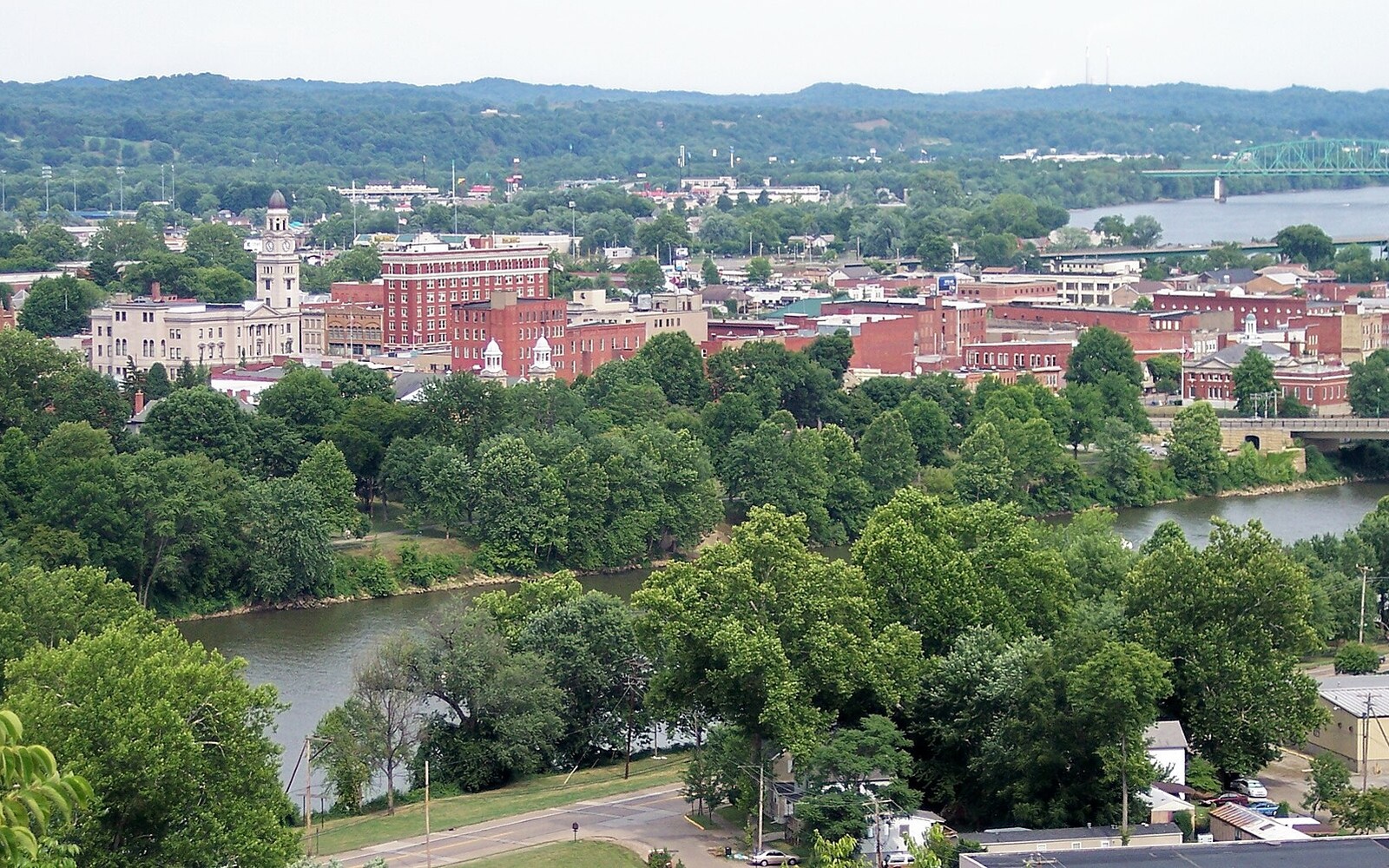
Marietta, OH
Equipment financing for drilling contractors, well service operators, and oilfield trucking companies in Marietta and Washington County, Ohio. Utica and.
Marietta sits at the confluence of the Ohio and Muskingum rivers, and the geology beneath Washington County is the reason the oil and gas industry never fully left this corner of Ohio. The Utica and Point Pleasant formations have renewed activity in a region that has produced oil continuously since the late 1800s. Companies drilling and servicing wells in the southeastern Ohio portion of the Appalachian Basin work out of Marietta because the location is central to a swath of activity stretching from Noble County into the West Virginia border country.
We finance oilfield equipment for service companies and independent producers based in and around Marietta. Drilling rigs, workover units, well service equipment, oilfield trucks, and production equipment all qualify. Minimum transaction size is $50,000, and most Appalachian deals we structure fall running about $100k to $600k. Short-form approval is available up to roughly $400,000 with three months of bank statements. Larger packages require two years of business tax returns. Funding typically lands within one to two weeks of approval.
Appalachian operators know the basin's history runs deep, and so does the patience required to work in a geology that rewards persistence over sprint mentality. We structure deals for that reality, not for a Permian-style high-volume environment where day rates and utilization numbers dwarf what Ohio and West Virginia operations typically generate.
Marietta and the Southeastern Ohio Oil Play
Washington County, Ohio has produced oil and gas since the 1880s, making it one of the longest-running producing counties in the United States. Modern activity centers on the Utica and Point Pleasant shales, which have attracted horizontal drilling programs from independents who recognized that the eastern Ohio Utica is an oil and condensate window rather than the dry gas play that defines much of the formation further northeast.
The Marietta area also benefits from its proximity to the West Virginia state line. Contractors based here regularly work across into Tyler, Wood, and Pleasants counties in West Virginia, a geography that keeps rigs and service equipment mobile across a multi-state operating area. The Ohio River corridor from Marietta south toward Parkersburg has historically hosted pipeline construction, storage infrastructure, and the midstream equipment needed to move Appalachian production to market.
Independent producers in this region often operate smaller-format programs with fewer wells than the mega-pads common in the Permian or Marcellus core. That means equipment utilization patterns differ, and service companies serving this market often run smaller fleets that need to be versatile across multiple well types and working environments. Well servicing companies here frequently handle both conventional and unconventional wells in the same day's work.
Equipment Categories We Finance for Marietta-Area Operators
The equipment mix in southeastern Ohio reflects a multi-layer basin with both shallow conventional production and deeper horizontal Utica drilling. What we see and finance from this geography includes:
- Workover rigs and well service rigs for the dense conventional wellbore population in Washington, Noble, and Morgan counties
- Smaller land drilling rigs suited to the moderate depths typical of Utica oil window drilling in eastern Ohio
- Coiled tubing units for horizontal well intervention and re-entry work
- Vacuum trucks, hot oil trucks, and fluid hauling equipment for production operations
- Oilfield trucks including winch trucks and gin pole trucks for rigging in hilly Appalachian terrain
- Compressor packages and gas gathering equipment for operators with multi-well pad production
- Pumpjack and artificial lift equipment for the significant number of conventional stripper wells operating in the region
- Pipeline and right-of-way construction equipment for the active midstream buildout in the Ohio River corridor
We also finance storage tanks and production vessels for operators building out lease facilities on new pad locations in the Utica oil window.
Refinancing and Sale-Leaseback for Appalachian Equipment Owners
Ohio and West Virginia oilfield service companies frequently carry equipment they purchased outright during previous cycles when cash flow was strong. That paid-off iron sits on the balance sheet as an asset that generates no liquidity. A sale-leaseback transaction converts those assets into working capital without removing the equipment from service or requiring a new purchase.
Sale-leaseback works like this: we purchase your equipment at appraised value and immediately lease it back to you under terms that keep you operating the same machines. You receive a lump sum, you retain operational control, and the monthly payment replaces the zero you were getting from equipment that was already owned free and clear. In an Appalachian market where activity can be lumpy and where working capital gaps between jobs create real cash pressure, having that liquidity available can mean the difference between accepting a contract and turning it down for lack of operating funds.
Refinancing existing equipment debt is also available for operators who took financing at unfavorable rates during tighter credit cycles and want to restructure at better terms. If you financed equipment two or three years ago at high rates and your business has stabilized, a refinance often reduces monthly payments while extending the term to match your current cash flow picture.
What We Need to Get Appalachian Deals Done
Appalachian Basin operators have navigated both the shale growth cycle and the disruption that followed the natural gas price collapses of the 2010s. Credit histories for companies that survived those years can look complicated. We evaluate the business as it stands today, not as a snapshot from a bad commodity year.
For transactions under roughly $400,000, recent operating statements and a completed application are typically enough to get to a term sheet. For larger packages, we add two years of tax returns and current equipment schedules. Operators with credit scores in the B and C range are considered when cash flow, equipment collateral, and business history support the deal. A prior slow payment or a downgraded credit event from 2016 through 2020 does not automatically close the door here.
Seasonal cash flow is normal in this region. A workover contractor in southeastern Ohio will often show uneven monthly revenues that look erratic to a bank credit algorithm, but those numbers actually reflect the seasonal pattern of when operators release work orders and when mid-Appalachian weather permits outdoor operations. We read bank statements for that context rather than just averaging the numbers.
Appalachian Basin Equipment Financing, Structured for Ohio Operators
Marietta operators have worked this basin through every cycle it has run. If you have equipment to finance or iron to put to work, send us your deal and we will put terms in front of you without the bank timeline. One to two weeks from application to funding is the goal every time.
Questions before you send the file.
Straight answers about marietta, oh, documentation, timing, and equipment eligibility.
I work on both conventional stripper wells and Utica horizontal wells. Can the same financing package cover both types of equipment?
Yes. We do not restrict financing to specific well types. A workover rig that services conventional stripper wells and a coiled tubing unit that runs on Utica horizontals can both be financed. The underwriting focuses on the equipment's value and your business's ability to service the debt, not on which formation the equipment works in.
Can I finance equipment to use in both Ohio and West Virginia? My operation works on both sides of the river.
Cross-state operations are common for Marietta-area contractors and do not create problems for financing. The company and collateral are what we underwrite, not the specific geography where the equipment runs. Equipment that crosses state lines regularly is ordinary for Appalachian service companies and we handle it routinely.
My company has owned some of its workover rigs for ten or twelve years. Are older rigs still financeable?
Age does not automatically disqualify equipment. We look at mechanical condition, remaining service life, and current market value. A well-maintained workover rig with documented service history and good iron is a fundable asset even at fifteen years old, particularly if it is currently active and generating revenue. Condition matters more than the year of manufacture.
How does a sale-leaseback actually work in practice for a small Ohio oilfield company?
We appraise the equipment, issue a purchase offer, and at closing you receive a wire for the agreed amount. We simultaneously execute a lease agreement that gives you the right to keep operating that equipment under monthly payments. You stay in the field with the same machines, and the cash goes into your account to use however your business needs it. The process usually takes two to three weeks from inquiry to funding.
Do you finance pipeline construction equipment for contractors working the Ohio River midstream corridor?
Yes. Pipeline construction equipment including pipelayers, sidebooms, trenching machines, and pipe bending equipment all qualify. Midstream and pipeline contractors working the Appalachian corridor are a segment we actively finance.
Quote desk
Get terms on Marietta, OH.
Send the asset details, seller quote, and target timing. We will review the request and tell you what documentation is needed next.