

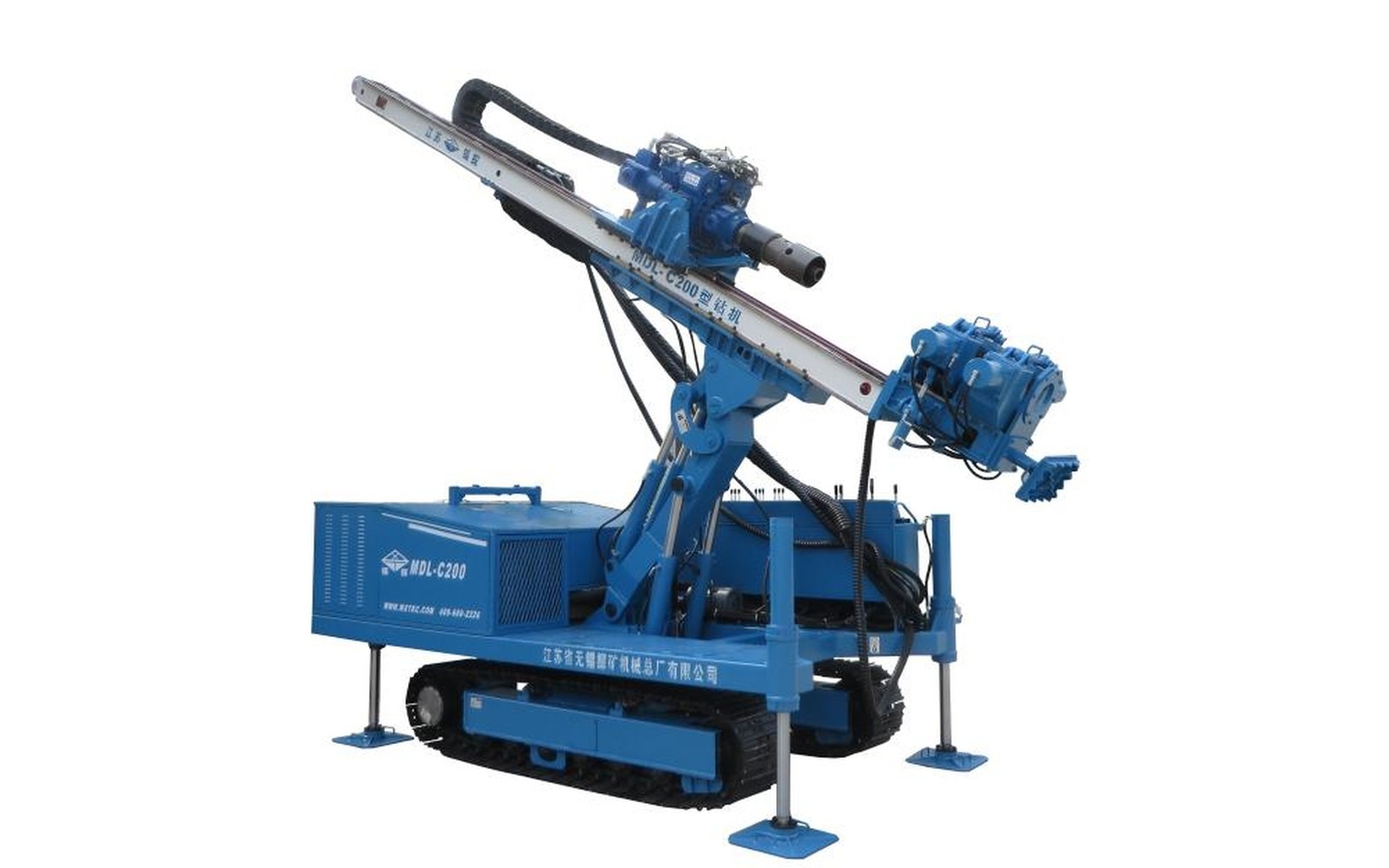
Well Service Rig Financing
Finance well service rigs for pump changes, completions, recompletions, and swabbing operations. Loans and leases. B/C credit considered. Oilfield lender review after the complete file.
Producing wells need attention on a schedule the well doesn't negotiate. Pump changes, tubing pulls, swabbing runs, sand cleanouts, and perforating operations happen on a cadence tied to production decline and mechanical wear, not commodity prices. That steady demand is what makes a well-maintained fleet of service rigs one of the more stable businesses in the oilfield service sector. Our well service rig financing serves operators at every stage, from the single-rig startup trying to land its first production company account to the established fleet operator replacing aging units and adding capacity to serve new contracts.
We finance well service rigs from $50,000 up, with terms structured as equipment loans, equipment leases, or Equipment Sale-Leaseback depending on your balance sheet priorities. Deals under roughly $400,000 often qualify for short-form approval, eliminating the tax-return and financial-statement requirements that slow down conventional lenders. B/C credit operators are actively reviewed; a prior business challenge doesn't disqualify you from the market.
Why Well Service Rig Demand Holds Through the Commodity Cycle
New drilling responds quickly to commodity price swings, but the existing well count doesn't. The US has hundreds of thousands of producing wells that require mechanical attention regardless of whether the barrel price is at $50 or $90. That makes well service work counter-cyclical in a useful way: when new drilling slows, production companies shift budget toward production enhancement and maintenance on existing wells, which drives well service rig utilization. Well servicing companies who understand this dynamic build their fleet capacity on that baseline demand rather than treating it as a secondary revenue source.
Basin-level dynamics matter. In the Permian, horizontal wells have complex wellbore profiles that require specialized service tools and careful tubing management. In legacy vertical plays like the Hugoton gas field or the East Texas Cotton Valley, high-volume pump maintenance is the dominant work type. Service companies in Williston, ND handle Bakken wells with artificial lift challenges different from what contractors face in the shallow vertical wells of Tyler, TX. The equipment that serves those different applications varies, and we finance across the full range.
Well Service Rig Configurations and What Lenders Evaluate
Well service rigs range from light hydraulic units used for pump rod and tubing pulls on shallow vertical wells to full-mast units with rotary capability for recompletions and casing work. The truck-mounted hydraulic well service unit is the most common configuration in the US onshore market, combining a hydraulic pump and hoisting system on a carrier truck chassis. Capacity ratings typically express as maximum string weight the unit can handle, often stated in thousands of pounds.
For lender underwriting, the prime mover (carrier truck engine and transmission condition, make and model, miles and hours), the hydraulic system condition, the mast and structure integrity, and the service history all feed into collateral value. A well-documented service unit with a recent pump inspection and a known-brand carrier (Kenworth, Peterbilt, International) in good mechanical condition is a cleaner collateral story than a unit with undocumented history on an unfamiliar chassis. The hydraulic system fluid end, cylinders, and hose condition can be expensive to rehabilitate and affect how conservatively a lender values the unit.
- Light hydraulic units: 40,000-80,000 lb string weight, shallow vertical wells
- Medium units: 80,000-150,000 lb capacity, versatile across depths and operations
- Heavy units with rotary capability: suited to recompletions and casing work in deeper wells
- Carrier truck condition is often the primary collateral variable after the hydraulic system
How the Financing Process Works for Service Rigs
The process starts with a credit application for the business entity and a description of the unit you're financing: make, model, year, configuration, asking price, and any inspection reports you have. If you're buying from a dealer with established inventory, the process is fast because title and equipment documentation are typically clean. Private-party purchases between operators require additional steps: purchase agreement, title chain verification, and usually an independent inspection before funding.
For deals under $400,000 on clean-titled units from known sellers, we can often reach a credit decision within 24 to 48 hours and fund within a week. Full-documentation deals where financials are required typically close in one to two weeks from complete submission. If your credit history has challenges, our B/C credit financing program routes the application to lenders who specialize in that tier rather than the conventional lenders who decline automatically. Down payment requirements are typically higher on B/C credit deals, but they're structured, not a rejection.
For operators who want to free capital from equipment they already own, a cash-out refinance on paid-off service units is a standard structure that avoids the need to take on unsecured debt.
Start a Well Service Rig Financing Application
Send us the unit details and your credit situation. We'll match your deal to the right lenders in our panel and get you term sheets that reflect real approval potential. No obligation, no noise, just options.
Questions before you send the file.
Straight answers about well service rig financing, documentation, timing, and equipment eligibility.
Can I finance a well service rig without an existing service contract in hand?
Yes. A signed contract strengthens the application but is not required in most cases. Lenders consider your operating history, prior contract experience, existing customer relationships, and the secondary market value of the rig as collateral. An established operator with a track record of well service work can often get approved on the strength of the business profile and the collateral alone.
Is there financing for service rigs that need hydraulic system work before they go to work?
Rigs requiring repair before deployment add complexity to the underwriting, because the lender is advancing against a unit that isn't yet income-producing. Some lenders will structure a deal that includes a portion of the repair cost, particularly if the repair is defined, scoped, and being done by a known service shop. Others will require the repairs to be completed before funding. We'll tell you what each lender requires rather than making you guess.
Can I finance multiple service rigs at once under one facility?
Multiple unit deals can be structured as a master equipment financing line or as individual notes against each unit, depending on the lender and the total amount. A fleet line is useful for operators who add units frequently and want a pre-approved pool they can draw from. Individual notes give cleaner collateral separation if you anticipate selling individual units at different times. We can walk you through both options.
How does the age of the service unit affect my financing terms?
Age matters primarily as a proxy for condition and remaining useful life. A 2005 service unit that inspects clean, has documented maintenance, and runs a known-brand carrier can finance at reasonable terms because the secondary market will support it. A unit of the same year that has deferred maintenance and unclear service history will face more scrutiny. The inspection report often matters more than the year of manufacture.
Quote desk
Get terms on Well Service Rig Financing.
Send the asset details, seller quote, and target timing. We will review the request and tell you what documentation is needed next.