

Artesia, NM
Equipment financing for oil and gas operators in Artesia and Eddy County. Workover rigs, production equipment, oilfield trucks, compression. short-app funding.
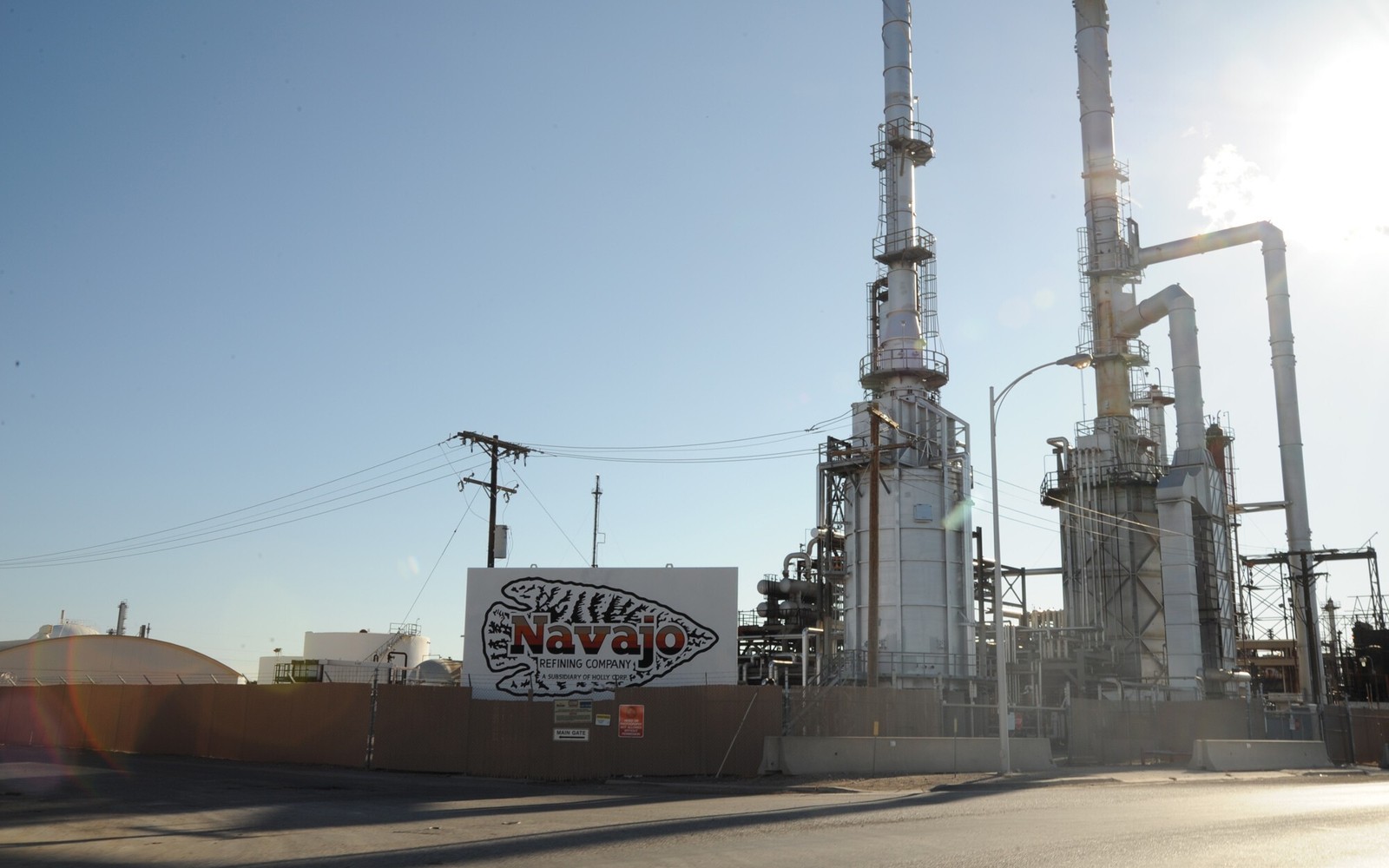
Artesia has oil in its bones. Eddy County production dates to the 1920s, and the city grew up supporting the oilfield long before the Delaware Basin horizontal play transformed the regional economics. Today Artesia sits between the mature conventional production fields to the north and the active horizontal Delaware Basin activity to the south and east, making it a staging point for both conventional workover operations and the newer completion and production activity that defines modern Permian Basin work.
We structure equipment financing for oilfield service companies, independent producers, and oilfield trucking operators working in and around Artesia. The minimum is $50,000 and most of our Artesia-area deals run from $150,000 to $1.2 million, covering the kind of iron that keeps both conventional and unconventional operations running. Workover rigs, compression equipment, oilfield trucks, and production systems are the highest-volume categories. Funding in field-ticket review after a complete application is standard.
The Artesia market rewards lenders who actually know the basin. Service companies here aren't working a single play; they're managing equipment that shifts between conventional wells needing conventional care and horizontal completions requiring different processes altogether. We've financed both, and we understand the equipment economics for each.
Service Companies Running Both Plays
Artesia's location in Eddy County puts operators at the intersection of two fundamentally different oilfield economics. Conventional production in the northern part of the county is well-established and requires ongoing workover, artificial lift maintenance, and production facility servicing. Horizontal Delaware Basin activity to the south is capital-intensive and drives demand for completion-era equipment, high-capacity production separators, and produced water infrastructure.
The companies that thrive here have equipment that can serve both markets. A workover company running a 200-ton rig for conventional completions north of Artesia may also handle well maintenance on newer horizontal producers. A vacuum truck and water hauling fleet that started on conventional SWD routes now moves produced water from horizontal wells. We finance those multi-purpose operators with the same approach whether they're conventionally focused or chasing the horizontal play.
Well servicing companies based in Artesia have a service area that extends north toward Roswell and south toward Carlsbad, often picking up work across a significant portion of Eddy County. Fleet size and the capital tied up in that fleet are substantial, and the ability to refresh equipment as it ages without disrupting operations is a real business need.
Independent producers running their own production facilities are another common borrower. Rather than paying a service company indefinitely for routine operations, some producers finance their own pumpjacks, separators, and storage tanks and operate them directly. The equipment cost is offset against the service fees they no longer pay, and ownership builds equity they can monetize later.
From Application to Funded
The paperwork overhead should be proportional to the deal size. For transactions under approximately $400,000, which is most single-unit deals in the Artesia market, the file is an application, three months of bank statements, and basic business documentation. No two-year tax return package, no independent audit. Short-form financing is exactly what the name implies: the application is the primary underwriting tool for smaller deals.
Larger transactions bring in more documentation because the lender exposure is higher. We'll want tax returns, financial statements, and for major purchases like a new drilling rig or a complete frac spread, sometimes an equipment appraisal. Even with full financial review, the process runs in days, not weeks. We don't use third-party credit committees that meet twice a month.
B and C credit situations go through the same process with the same timeline. The difference is that tighter credit may mean a higher rate, a shorter term, or more down payment. We tell you what we can do and why before you commit to anything, so there are no surprises at the closing table.
Financing Used Iron in a Mature Basin
Artesia's oil history means there is a lot of used equipment in circulation. Some of it is excellent. Older production equipment that has been properly maintained can have years of productive life left, and buying it at secondary market prices rather than new dealer prices is often the smarter business decision. We finance quality used equipment on terms comparable to new, with the advance rate reflecting the equipment's condition and market value rather than penalizing the buyer for not ordering from a dealer.
Common used equipment deals in the Artesia area include workover rigs coming off service company fleets as they upgrade to newer units, compression packages that have been reconditioned and recertified, and conventional production equipment from producers who sold off acreage and are liquidating the surface facilities.
New equipment from Caterpillar-powered frac units to new Kenworth or Peterbilt oilfield trucks also qualifies. New assets carry higher advance rates because their collateral value is more predictable, and there's no history of ownership or maintenance to diligence. If you're taking delivery from a dealer, funding can be structured to pay the dealer directly on equipment acceptance.
Private-party equipment financing covers transactions between operators where no dealer is involved. These are common in the Artesia market where operators know each other and equipment changes hands on a handshake before lawyers get involved. We make those transactions financeable with the same documentation and timeline as a dealer deal.
Financing for Artesia and Eddy County Operators
The Delaware Basin moves fast and so do we. Submit an application and we'll put terms together before the deal you've been working goes to a company with capital already lined up.
Questions before you send the file.
Straight answers about artesia, nm, documentation, timing, and equipment eligibility.
I'm a small independent producer in Eddy County. Can I finance my own production equipment rather than hiring out?
Yes, and it's often a sound business decision. Financing your own pumpjacks, separators, and tanks at a known monthly payment is frequently cheaper than indefinite service company rates. We finance production equipment for independents starting at $50,000 and can handle both the equipment purchase and, on larger facilities, the installation infrastructure.
My company is based in Artesia but I need to run a job in Reeves County, Texas. Is that a problem?
Not a problem at all. Your business location is what matters for entity documentation, and equipment working across state lines is common for Eddy County service companies. We file proper security interest documentation in the jurisdictions where the equipment operates.
We've had a couple of late payments on our existing equipment loans due to a slow quarter last year. Can we still get approved?
Late payments don't automatically disqualify you. We look at the context, whether it was a one-time slow period versus a persistent pattern, and what your current cash flow looks like. If revenue has recovered and the equipment quality is strong, we can often work within a B credit structure at terms that are still workable.
What's the difference between a sale-leaseback and a cash-out refinance for my compressor packages?
In a sale-leaseback you transfer title to us and receive the full appraised value as proceeds, then pay a lease rate to continue using the equipment. In a cash-out refinance you keep title, borrow against the equity above your current payoff, and continue making loan payments. The right structure depends on your tax situation and whether you prefer ownership or off-balance-sheet treatment.
Can I get pre-approved before I finalize the equipment purchase?
Yes. Pre-approval based on your credit and financial profile gives you a financing limit and basic terms before the equipment is selected. You then bring the specific equipment deal within that approved amount and we finalize documentation quickly. This is particularly useful for operators who are in active negotiations and need to demonstrate financing certainty to the seller.
Quote desk
Get terms on Artesia, NM.
Send the asset details, seller quote, and target timing. We will review the request and tell you what documentation is needed next.