

Swabbing Unit Financing
Finance new or used swabbing units for well testing, cleanup, and fluid recovery. Loans, leases, and sale-leaseback from $50k. Fast decisions for well service.
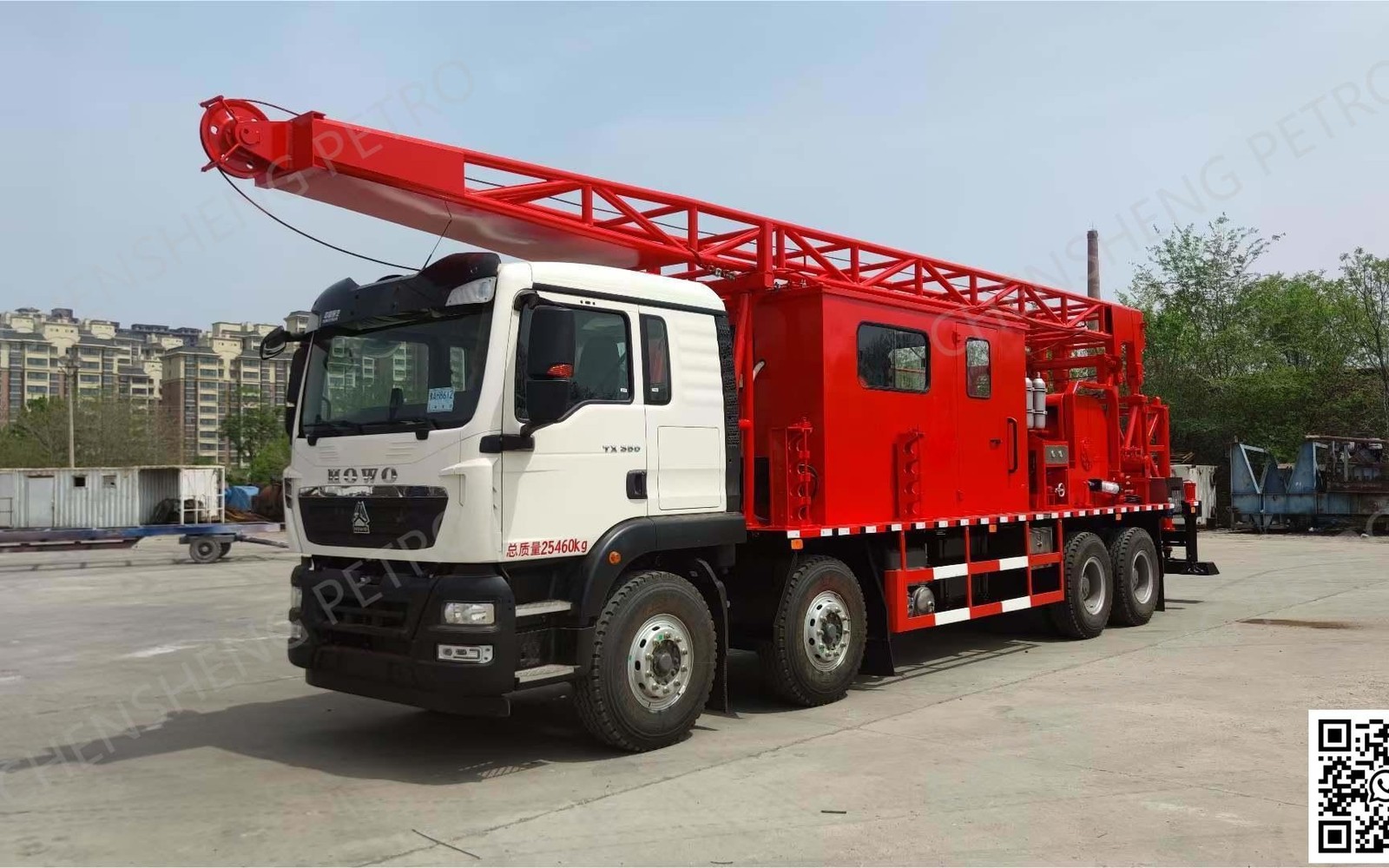
Swabbing is one of those well services that never goes away. New completions need initial fluid cleanup before they flow on their own. Existing producers use swab operations to draw down fluid columns and test productivity. Stripper wells across the Midcontinent and East Texas use swab units as part of their regular production routine because the reservoir pressure is not enough to lift fluid without help. The equipment doing this work, a truck-mounted swab unit with the mast, traveling block, and swab cups to pull the fluid up the tubing string, is a purpose-built asset that holds its value reasonably well in the used market because the service need is constant.
We finance swabbing units from $50,000 up. New units and used units with a clean title both qualify. The well service companies, individual operators, and oilfield rental businesses who call us range from single-unit operators taking on their first day-rate contract to established service companies adding to a working fleet. Credit ranges from clean to B/C, and deals under approximately $400,000 often go through on an short-form basis. Closing typically follows field-ticket and lien review after the complete package.
What a Swabbing Unit Is and What Drives Its Value
A swab unit is a truck-mounted well service rig scaled for fluid recovery rather than heavy lifting. The key components are the mast (typically 40 to 60 feet of working height), the line drum carrying the wire rope and swab mandrel, the mechanical or hydraulic drive system, and the truck chassis itself. A capable unit can handle most production and completion swabbing needs in conventional and unconventional plays where the wellbore geometry allows.
What drives value on a used unit is condition of the wire line system and drum, the mast's structural integrity, and the truck chassis hours. Chassis replacements or rebuilds are common on high-hour units, and a unit with a rebuilt or recently replaced chassis at a good service history is a better asset than one with lower mast hours but a tired chassis underneath it.
Swab units work beside other well service equipment regularly. A company doing workover operations often needs a swab unit as part of the same service spread, and our financing can cover both assets, separately or together. Similarly, coiled tubing units and swab units sometimes run complementary programs on the same pad, where one service follows the other in sequence.
Who Typically Finances a Swabbing Unit
Swab unit buyers come from a narrower slice of the oilfield than buyers of more general equipment. Understanding who you are helps us structure the right deal.
Independent well service operators: Single operators or small companies running one to four swab units on day-rate contracts with producers. These buyers often have a mix of credit history shaped by the commodity cycles, a specific contract in hand, and a good recent cash flow picture even if earlier years were rough. Short-form approval is common here for units running about $75k to $300k.
Well servicing companies expanding capacity: Larger well service companies adding to their fleet to meet contract demand. These buyers typically have financials available and may be looking at multiple units at once, which can be structured as a fleet transaction.
Oilfield rental companies: Companies renting swab units by the day or week to producers who do not own their own. The rental business model means the unit earns immediately when deployed. We view rental inventory backed by a track record of utilization favorably as a credit proposition.
Producers doing their own swabbing: Some independent oil and gas producers prefer to own a swab unit rather than contracting the service. For a company with multiple wells on a lease, the economics of ownership often pencil out once the unit is utilized several days per month.
Typical Transaction Sizes and Term Structures
Swab units span a wide price range depending on chassis, mast capacity, and condition. A basic used unit on an older chassis can be acquired for $60,000 to $100,000 in the secondary market. A fully rebuilt unit or a new unit on a current-spec truck chassis runs considerably more, often $200,000 to $400,000 depending on manufacturer and configuration.
Our financing minimum is $50,000, so most swab unit transactions are comfortably inside our program. Terms typically run 36 to 72 months on oilfield well service equipment of this type, with longer terms producing lower monthly payments that fit more comfortably against day-rate revenue. Monthly payments on a $150,000 unit financed at a longer term are generally in a range that a unit working fifteen to twenty days per month can support without stress.
We structure these as equipment loans (you own the asset from day one), operating leases with an FMV purchase option, or dollar-buyout leases depending on your tax and balance sheet preferences. There is no penalty for paying off early if you want to extinguish the obligation before the term ends.
Companies looking to leverage existing equipment value should look at our equipment refinancing program if you have a paid or partially paid unit you want to use as collateral, or our cash-out refinance if you want to pull equity from equipment already on your books.
What the Equipment Needs to Qualify
Swab units need to meet a few basic criteria for financing. None of these are unusual, but it helps to know what to have ready before you submit.
- Clear or clearable title: The unit must have a clean title in the seller's name or a lien that can be paid off at closing. A title search is part of every used equipment transaction.
- Identifiable collateral: VIN on the truck chassis and serial or unit numbers on the major components. Units without identifiable numbers require additional documentation from the seller.
- Reasonable operating condition: We do not require a unit to be perfect, but a swab unit that needs a major rebuild before it can go to work is a harder finance case. An inspection report from a qualified mechanic helps on high-mileage or older units.
- Minimum transaction size of $50,000: Below this threshold, the economics of our program do not fit well for either side.
We do not require the unit to be new, to be at a dealer, or to be in a specific state. Private-party purchases between two companies are handled through our standard process with a purchase agreement between the parties. The used oilfield equipment financing framework covers these situations straightforwardly.
Questions before you send the file.
Straight answers about swabbing unit financing, documentation, timing, and equipment eligibility.
Can I finance a swab unit I found through a private seller rather than a dealer?
Yes. Private-party equipment purchases are a normal part of our business. We need a signed purchase agreement between you and the seller, a title search confirming clean title, and documentation on the unit including chassis VIN and any component serial numbers. The process takes a bit more coordination than a dealer transaction but the financing terms are the same.
The unit I want to buy needs some work before it can go to a job. Does that affect financing?
It depends on how much work. A unit needing minor service before deployment is fine. A unit needing a major mechanical rebuild before it can work is harder to finance because the collateral value is not yet realized. If you can get an inspection report and a shop quote on the repair scope, that gives us the information needed to evaluate. Sometimes we can structure the repair cost into the transaction if the total makes sense.
I operate in Texas on annual producer contracts. How does that factor into your underwriting?
A contract in hand with a creditworthy operator is a strong supporting document. It demonstrates the unit has a defined revenue stream on day one. It does not replace the basic underwriting on your business, but it absolutely supports the case and can help move a decision faster.
My credit score dropped during the last oil price downturn. What do you look at instead?
The current business trajectory is the main lens. Bank statements from the last three months that show active revenue, a unit going to work under contract, and a stable or improving picture outweigh what happened in a prior cycle. We have financed plenty of operators who had a rough 2015 or 2020 and came out the other side running solid businesses.
Can I add a second swab unit to a deal I am already doing with you on other equipment?
Yes. If you are financing another piece of oilfield service equipment and want to add a swab unit to the same package, we can often structure that in one transaction or as a parallel deal at the same time. Adding assets to an existing relationship generally moves faster than starting from scratch.
Quote desk
Get terms on Swabbing Unit Financing.
Send the asset details, seller quote, and target timing. We will review the request and tell you what documentation is needed next.