

Acidizing Unit Financing
Finance oilfield acidizing units and acid stimulation trucks. B/C credit considered, short-app financing to $400k, funded in days. $50k minimum.
Acid stimulation work moves with the rig. When a carbonate reservoir needs matrix acidizing to restore permeability, or a new completion requires acid frac treatment, the service company with a capable acidizing unit already on location takes the job. That operational readiness costs money, and tying up all of it in a single unit leaves nothing for crew, chemical inventory, or the next opportunity. Financing the unit frees that capital and keeps the operation moving.
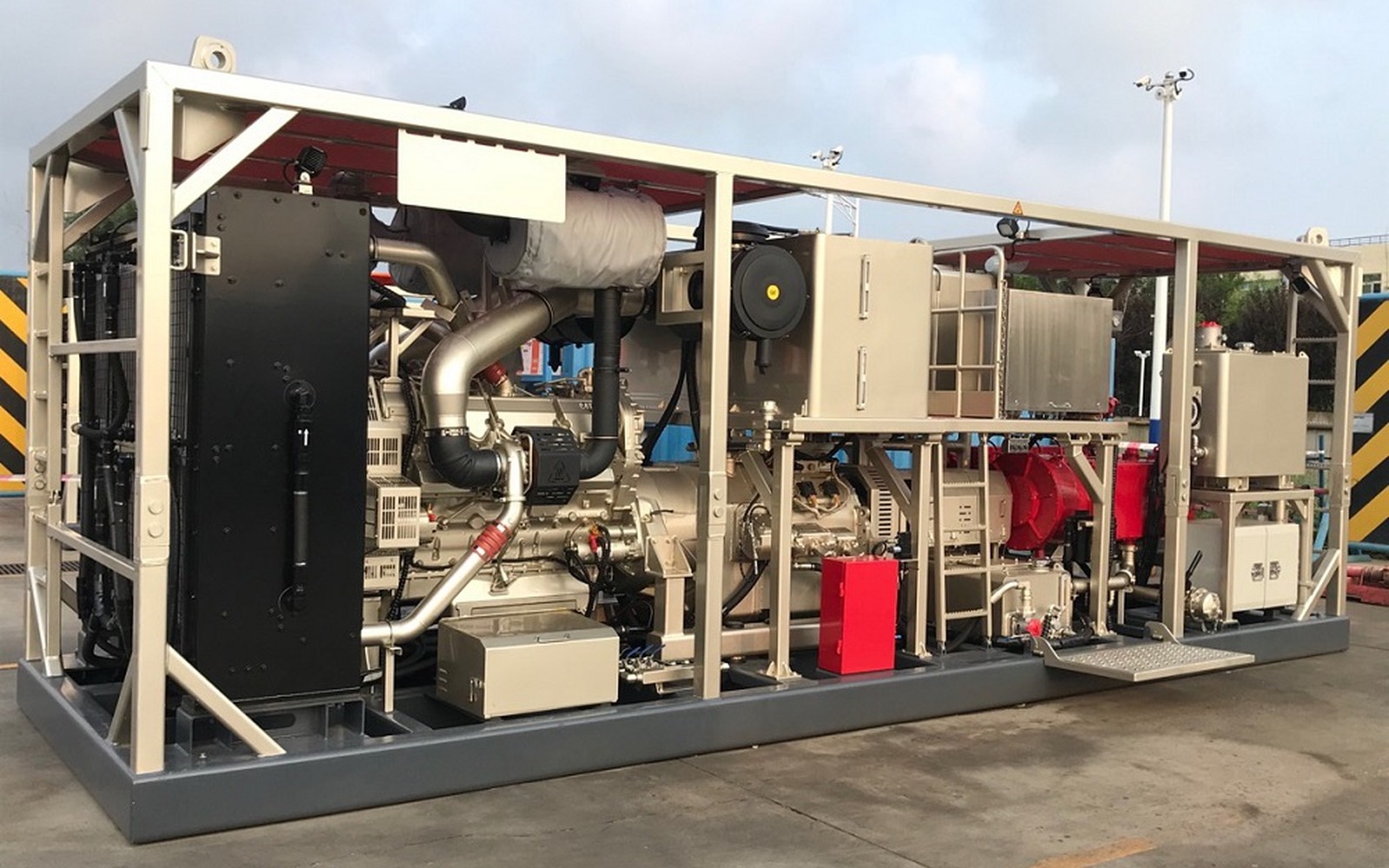
Acidizing units are purpose-built oilfield service vehicles combining high-pressure triplex or quintuplex pump systems, chemical injection capability, blending equipment, and instrumented data packages into a single platform. Units designed for matrix acidizing typically operate in the 5,000 to 10,000 psi range with rates suited to carbonate formations. Acid frac units designed for deeper stimulation run at significantly higher pressures and horsepower. Purchase prices range from roughly $150,000 for serviceable used single-pump units to well over $600,000 for newer high-rate acid frac configurations. We finance from $50,000 with short-form processing available to approximately $400,000.
The work that acidizing units support spans a broad range of applications: matrix jobs to restore flow in limestone or dolomite formations, perforating-tunnel cleanup, acid fracturing of naturally fractured carbonates, and scale or iron-sulfide removal in wellbores. That breadth of application gives a well-maintained unit strong utilization potential and attractive collateral characteristics for lenders who understand the asset class.
Where Acidizing Work Concentrates
Carbonate-heavy producing formations drive the majority of acidizing demand. The Permian Basin's Spraberry, Wolfcamp, and Delaware Basin targets involve acid treatment in many completion programs. The Hugoton gas play in the Kansas-Oklahoma-Texas panhandle area, the Austin Chalk, and the Eagle Ford all see meaningful acid stimulation work. Internationally, carbonate production accounts for roughly half of global hydrocarbon production, making acidizing one of the most consistently employed well-stimulation techniques across cycles.
Domestically, basins undergoing active development in the Permian and Mid-Continent see the heaviest demand for acidizing service capacity. Operators in Odessa, the Permian hub, and across Oklahoma City and the Mid-Continent regularly engage acidizing service companies on multi-well pad programs. Companies positioned in those markets with available units benefit most from the proximity to concentrated work.
Well stimulation cycle patterns differ from fracturing in one important way: acidizing jobs are generally shorter in duration and require less simultaneous horsepower than a full hydraulic fracturing spread. That makes a single acidizing unit a more flexible business tool than a frac pump. One unit in one operator's hands can run multiple jobs per month on different leases, with utilization rates that support consistent debt service.
Financing Structures for Acidizing Units
Equipment loans and oilfield equipment leasing are the two primary structures for acidizing units. A loan places title in the operator's name with a lender lien; a lease gives the operator use of the asset with reduced monthly obligations and a buyout option at term. Lease structures are particularly useful when the operator wants to keep options open at term end, since fair-market-value leases allow the unit to be returned, purchased at appraised value, or rolled into a new lease on a replacement unit.
For operators with existing units they own, cash-out refinancing against a free-and-clear unit can fund acquisition of a second acidizing unit, chemical inventory build-up, or working capital for a new contract. The unit stays in operation while the cash is deployed. This is a particularly effective capital strategy when a new multi-well contract requires upfront chemical procurement.
Short-form processing up to $400,000 means no tax returns and no financial statements for qualifying transactions. Recent operating statements is the core document for full-doc submissions above that threshold. oilfield challenged-credit financing is available for operators with prior credit events who have demonstrable current cash flow. A past industry downturn, tax issue, or prior bankruptcy does not prevent approval if the business is operating and the bank statements reflect it.
Credit and Documentation
The strongest applications show three months of consistent business bank statement deposits from oilfield service revenue, a clear description of the unit being financed, and a signed purchase agreement or dealer invoice. Startups with principals who have extensive oilfield service backgrounds benefit from providing a brief background on the principals' experience when submitting, as the lender's credit decision accounts for operator-level expertise in the field.
We work with pressure pumping companies of all sizes, from one-unit owner-operators to multi-unit regional service companies. The application is the starting point for transactions under $400,000. Above that, bank statements and business financial context are required. Funding typically closes in field-ticket review after a complete submission.
Related Equipment Often Financed Alongside
Acidizing operations frequently involve ancillary equipment beyond the primary unit. Chemical transport trailers, high-pressure treating iron (flowhead, bleed-off manifolds, treating lines), and nitrogen support for annular pressure management are common co-purchases. Operators adding acid capability alongside their existing stimulation spread sometimes finance a nitrogen pumping unit in the same transaction to enable full-service well interventions. Wireline and pump-down services that accompany stimulation work may also involve separate equipment financing. We handle multi-asset transactions and can structure the full scope into a single approval where it makes sense.
Get Financing for Your Acidizing Unit
Give us the unit specs, the transaction amount, and where you are operating. We know what acidizing units are worth and how the work cycles. Short-form to $400k, full-doc above, closing after field-ticket review.
Questions before you send the file.
Straight answers about acidizing unit financing, documentation, timing, and equipment eligibility.
Can I finance both the acidizing unit and the treating iron in one transaction?
Treating iron can often be bundled with the unit in the same transaction, depending on total dollar amount and the lender's collateral position on each component. High-pressure treating iron has real secondary-market value and often qualifies as part of the financed asset package.
The unit I want to buy has a newer data acquisition system but an older chassis. How does lender valuation work for mixed-age equipment?
Lenders look at the overall assembly as a functional unit. A newer data system on an older chassis improves the unit's functionality but the chassis age is still part of the value calculation. An independent inspection and appraisal helps lenders properly value mixed-age configurations and often supports a better advance rate.
My acid stimulation company is profitable but our tax returns show low net income because of depreciation. Will that hurt my application?
Bank statements are weighted more heavily than tax returns for oilfield equipment transactions. Depreciation-heavy returns showing low taxable income are common in asset-intensive oilfield businesses, and underwriters who know this space account for it by looking at actual cash flow through the bank statements rather than taxable net income.
Can I refinance a unit I am currently paying on to lower my rate?
Yes. If your current lender's rate is above market or you want to extend the term to lower the monthly payment, a refinance can accomplish both. We look at the current payoff, the unit's current market value, and your business's current financial picture.
Do you finance acidizing units intended for use on saltwater disposal or water-injection operations rather than well stimulation?
Pump units repurposed for injection or disposal service can be financed, though the collateral characterization changes. Describe the intended use in your application so the transaction is structured correctly. Units with multi-purpose capability typically maintain broader secondary-market appeal.
Quote desk
Get terms on Acidizing Unit Financing.
Send the asset details, seller quote, and target timing. We will review the request and tell you what documentation is needed next.