

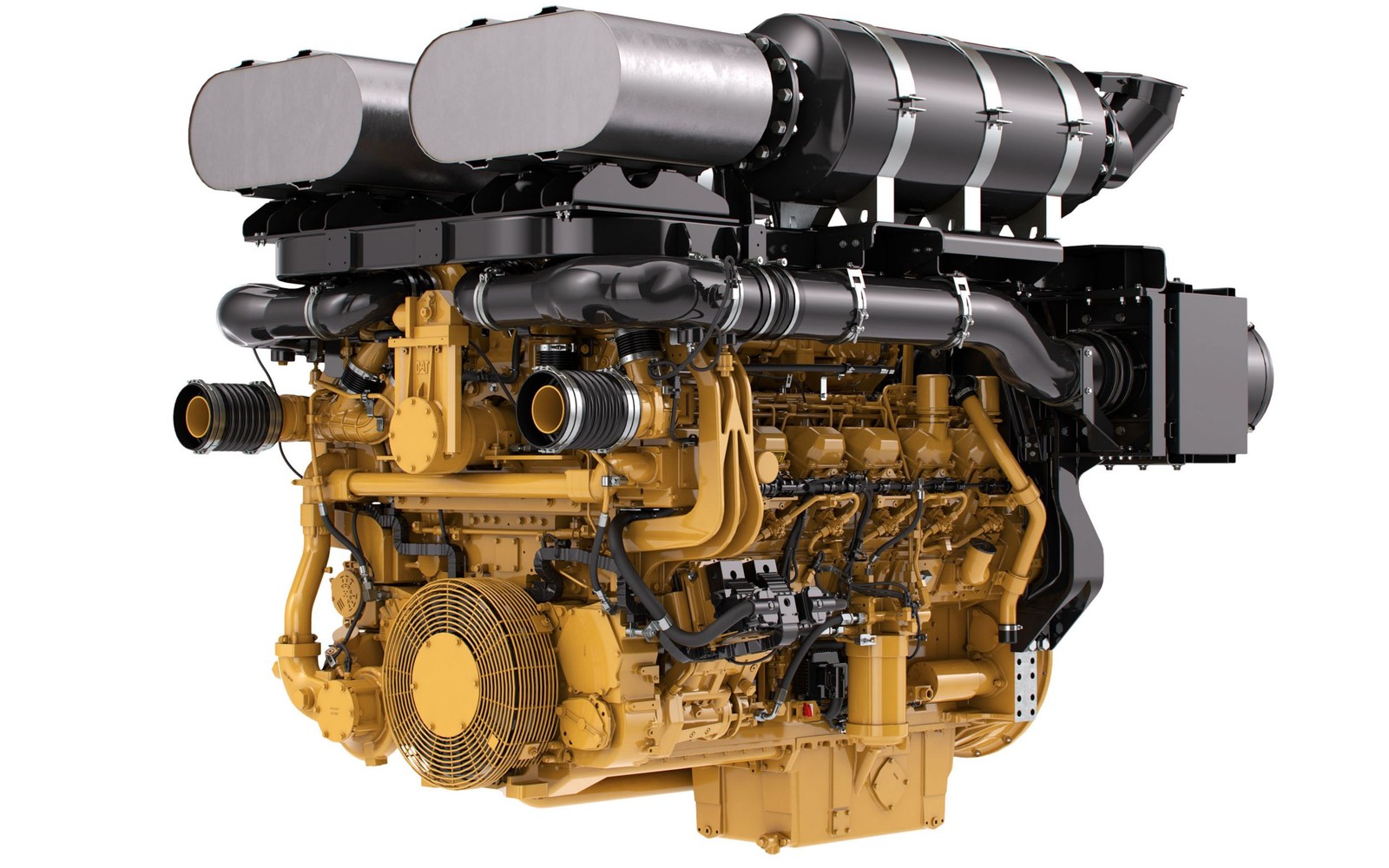
Caterpillar C18 Engine Financing
Finance Caterpillar C18-powered oilfield equipment. The C18 drives high-demand frac pumps, cementing units, and large gensets. Fast approvals, $50k minimum.
High-demand oilfield applications need horsepower, and the Caterpillar C18 delivers it. At approximately 18.1 liters with an inline-six configuration, the C18 produces 575 to over 900 horsepower in its various industrial and petroleum ratings, depending on configuration and application. It appears in cementing pump units, high-pressure acidizing systems, large portable generators, and heavy-duty service vehicles where more output is required than the C15 provides.
We finance C18-powered oilfield assets for cementing companies, well servicing operators, and production support companies that run C18 gensets or pump units in the field. Because the C18 is a higher-displacement, higher-value engine than the C15, transaction sizes tend to run larger, often running about $150k to $700k for complete units. We cover that full range and can discuss custom structures for larger packages.
Where the C18 Works in Oilfield Service
The C18 is a step above the C15 in both displacement and application complexity. Here is where it shows up most often in oilfield service:
- Cementing pump units: Cementing trucks require high continuous-output horsepower to drive high-pressure triplex pumps during wellbore cementing operations. The C18, in its petroleum ratings, provides the sustained output these applications demand. Cementing unit financing frequently involves C18-powered trucks.
- High-pressure acidizing units: Acidizing service trucks need similar pump-drive capability to the cementing market. The C18 is a common choice in this application as well.
- Large portable gensets: C18-powered generator sets in the 500 to 750 kW range provide prime or standby power for drilling rigs, man camps, and remote facilities where utility power is unavailable. Generator set financing for C18-based units is a separate transaction type with its own collateral characteristics.
- Heavy haul and service vehicles: Some specialty Class 8 oilfield trucks use the C18 when the application demands more than the C15 can deliver, particularly heavy fluid haulers and large-body service vehicles.
The C18 is also available in Tier 4 Final configurations with aftertreatment systems, relevant for operators working in emissions-restricted areas. Compare the Tier 4 compliance story to our page on the Caterpillar 3512E Tier 4 frac engine if your application requires emissions compliance.
Financing a C18-Powered Asset
C18-powered assets vary widely in configuration and purchase price, so our underwriting approach adapts to the specific deal:
- Complete running units: A C18-powered cementing unit or acidizing truck that is field-ready and actively deployed is the cleanest financing scenario. We can move quickly on documented, running assets with verifiable service history.
- Engine-only purchases: If you are buying a bare C18 for a rebuild or skid installation project, the financing structure differs. The asset isn't producing until installation is complete, so we look carefully at the project timeline and the borrower's history with similar builds.
- Large genset packages: A packaged C18 genset on a trailer with switchgear and controls can be financed as a complete unit. These are often purchased from rental companies rotating their fleet, and we have experience with both new-unit and rental-fleet transactions.
Our standard process applies: short-form up to approximately $400,000, three months of bank statements for larger deals, B/C credit considered. Funding in seven to fourteen days from a complete application package. We can also help if you need to finance despite challenged credit history from prior oil and gas cycles.
Related Equipment and Financing to Consider
The C18 doesn't work alone. Whatever the engine is powering, there's usually additional equipment or structure relevant to your situation:
- If your C18 is in a cementing truck, the complete pump and blending system matters for your service capability. Consider how you're financing your overall cementing fleet alongside the individual units.
- If you run C18 gensets for drilling rig power, you likely have or need a broader oil and gas equipment leasing program that can cover multiple assets efficiently rather than managing separate loans on each unit.
- If you own C18-powered assets free and clear and need working capital, a Equipment Sale-Leaseback converts that equity to cash without selling the equipment permanently.
We can also discuss larger fleet credit facilities for companies operating multiple C18-powered units. A revolving facility that lets you add and release assets without re-underwriting each transaction saves time when you're actively managing a fleet. Reach out to us about Caterpillar financing across your entire fleet to see what a comprehensive program looks like.
Questions before you send the file.
Straight answers about caterpillar c18 engine financing, documentation, timing, and equipment eligibility.
Is the C18 on a cementing unit typically financed as the engine or the complete truck?
Almost always as the complete unit. The engine alone isn't operating equipment; it's the engine plus the pump, mixing system, and truck chassis that constitute the productive asset. We underwrite and lend against the complete package. If you're buying a bare engine for installation in a unit you're building, that's a different structure and requires more discussion upfront.
I need a C18 genset for a remote drilling location. Can you fund a new unit directly from a dealer?
Yes. New-unit purchases through authorized dealers are typically straightforward transactions. The dealer provides the invoice, we confirm the equipment specifications, and we fund directly to the dealer at closing. Your monthly payment starts once the unit is delivered and accepted. For new-unit dealer purchases, lead time for closing is often shorter than for private-party transactions because the documentation is cleaner.
Can I refinance a C18-powered unit I bought cash six months ago to recover some of my capital?
Yes. A cash-out refinance on equipment you own free and clear is available even if you just purchased it. We typically need to establish current market value through an appraisal or comparable sales, and we lend a percentage of that value. The six-month seasoning period is shorter than some lenders require; we evaluate these case by case rather than applying a rigid seasoning rule.
What if the unit I'm buying has a Tier 4 aftertreatment system that needs repair before it's compliant?
A unit with a non-functional aftertreatment system in a Tier 4-required operating area is an asset that cannot legally be deployed. That significantly affects the financing case. We'd want to know the repair cost, the timeline to compliance, and whether the purchase price reflects the as-is condition. If the numbers still work after accounting for the repair cost, there may be a deal. If they don't, we'd rather tell you before you're committed.
Quote desk
Get terms on Caterpillar C18 Engine Financing.
Send the asset details, seller quote, and target timing. We will review the request and tell you what documentation is needed next.