

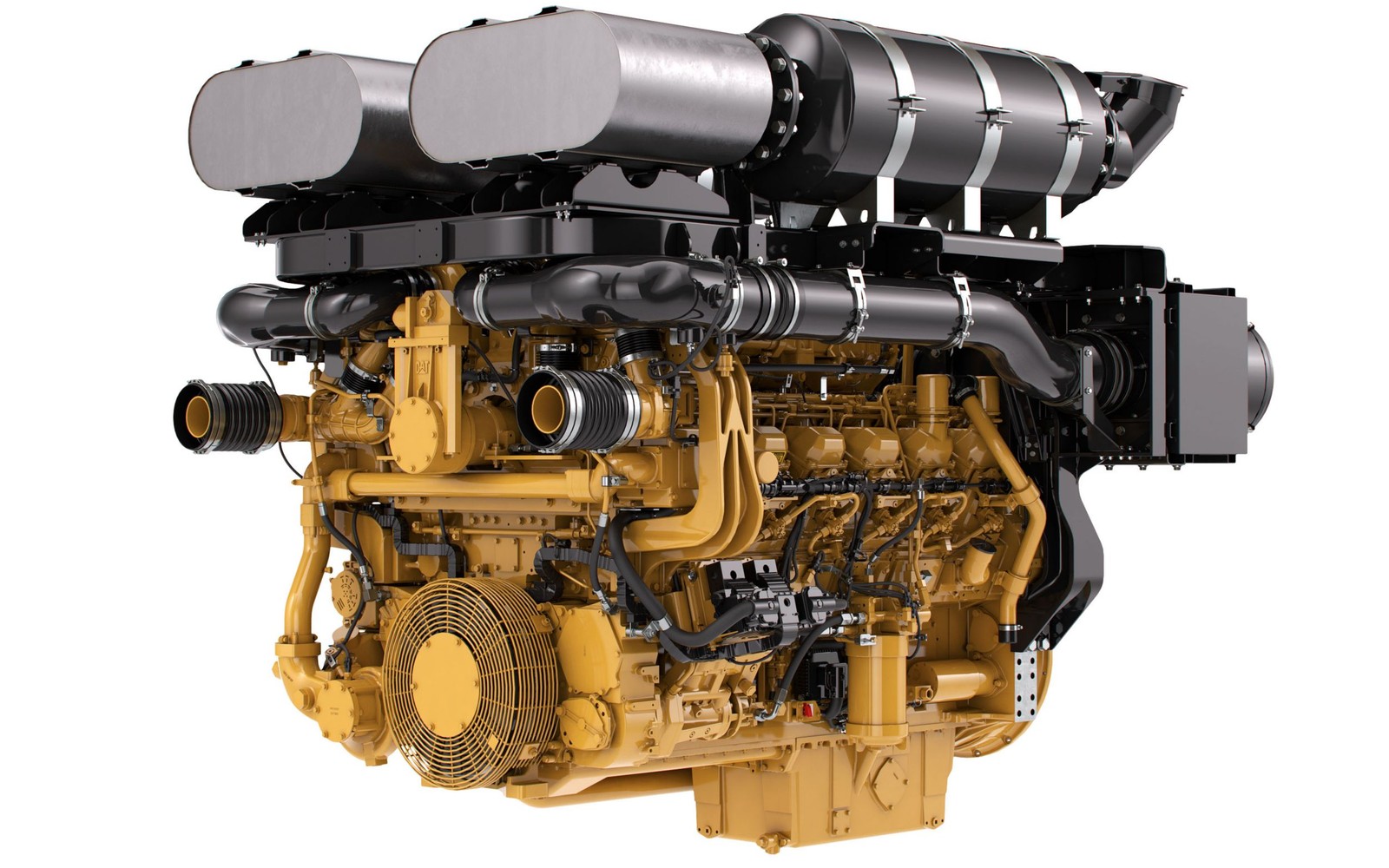
Caterpillar C15 Engine Financing
Finance oilfield equipment powered by the Caterpillar C15. We fund C15-equipped winch trucks, vacuum trucks, service vehicles, and light rigs for oilfield.
Basins from the Permian to the Bakken run on fleets of specialized service vehicles, and the Caterpillar C15 is one of the most common engines powering them. Produced from approximately 1999 through 2010 and available in Acert emissions configurations, the C15 is a 15.2-liter inline-six producing 400 to 625 horsepower depending on rating and application. It replaced the 3406E in Caterpillar's on-highway lineup and found its way into a large portion of the late-2000s Class 8 oilfield truck market.
We finance C15-equipped oilfield vehicles and equipment across a range of applications: winch trucks, vacuum trucks, hot oil trucks, fluid haulers, and light well service rigs. The C15's broad availability in the used truck market makes it one of the most common engines we see in smaller oilfield service company transactions. Deals typically range from $80,000 to $350,000. Well servicing companies and trucking operators use us when their bank won't move quickly enough on an equipment purchase.
C15 in Oilfield Applications
The C15 served as Caterpillar's primary Class 8 engine during the height of the oilfield service truck market. It appears in a wide range of platforms:
- Class 8 winch trucks and gin pole trucks: The C15 provided the torque needed for heavy oilfield loads. A well-equipped C15-powered winch truck from the 2005 to 2010 era can still perform reliably in field service when properly maintained.
- Vacuum trucks and fluid haulers: The C15 appears frequently in vacuum trucks used for frac fluid recovery and saltwater disposal. These are high-cycle-time applications where the engine's proven duty cycle matters.
- Hot oil and roustabout trucks: Hot oil unit trucks configured for production maintenance often use the C15 as the chassis power plant, with the hot oil system running as a separate unit off the truck's hydraulic or PTO system.
- Light service rigs: Some smaller mobile service rig configurations from this era used the C15 as primary power, though the larger drilling and workover rig market generally used purpose-built rig engines.
The Acert emissions system on later C15 models introduced some additional complexity relative to the older 3406E's mechanical simplicity, but C15 Acert engines with proper maintenance have proven durable in field service. Compare this to the newer Caterpillar C18 engine if you're evaluating higher-output options for your application.
The Used Market for C15-Equipped Trucks
The C15 is no longer in production for on-highway use, so virtually every transaction involves a used asset. The used Class 8 oilfield truck market for C15-equipped vehicles is active, with prices varying substantially based on mileage, body configuration, maintenance history, and specialty equipment.
Several factors determine whether a C15-powered truck is a strong financing candidate:
- Mileage relative to maintenance intervals: A C15 with 500,000 miles and a documented major rebuild is a better asset than one with 250,000 miles and no service records. We want the story, not just the odometer.
- Specialty body condition: For a winch truck, vacuum truck, or hot oil unit, the body or specialty system often represents a significant portion of total value. We underwrite the complete package, not just the chassis.
- Title status and lien history: Private-party trucks frequently carry undisclosed liens. Our standard process includes a lien search before committing funding so you're not inheriting someone else's debt problem.
- Current operational status: A running truck is dramatically easier to finance than one in the shop. If the unit needs work before deployment, tell us upfront so we can structure accordingly.
For companies carrying a significant fleet of C15-powered trucks and looking to free up capital, a fleet refinancing on owned equipment can sometimes generate working capital without selling iron. Operators who prefer ownership over leasing can also structure a standard oilfield equipment loan with a lien on the truck and fixed monthly payments, building equity in the iron over the term.
What Qualifies and What to Bring Us
To start a C15 equipment financing application, we need the basics on both the equipment and your business:
- Description of the truck or equipment: year, make, model, VIN, mileage or hours, and body type
- Purchase price or appraised value
- Seller information (dealer or private party)
- Completed credit application
- Recent operating statements (required for most deals; not required for short-form approvals under approximately $400,000)
Credit history matters but is not the only factor. We work with B/C credit operators who have a strong equipment use case. An operator running active service contracts in the Permian or Williston Basin with verifiable revenue has a stronger story than the credit report alone tells. Oilfield service businesses run hard in up cycles and take damage in down cycles; we read credit history with that context in mind.
We work with oilfield trucking companies of all sizes, from single-truck owner-operators to small fleet operators adding their third or fourth unit. The size of the deal matters less than whether the asset and the borrower make sense together. If your fleet spans multiple Cat models beyond the C15, look at our Caterpillar brand financing overview for a full picture of how we approach Cat iron across generations and applications.
Apply for C15 Equipment Financing
Whether you're buying a single winch truck or a batch of used C15-powered service vehicles, we can run the deal. Submit an application or call us with the unit details and we'll respond fast. Oilfield operators in Texas, North Dakota, Oklahoma, and Louisiana use us when time matters and the bank isn't moving.
Questions before you send the file.
Straight answers about caterpillar c15 engine financing, documentation, timing, and equipment eligibility.
Can I finance a C15 truck that failed its DOT inspection and needs repairs before it's road-legal?
A truck that isn't currently road-legal is a much harder financing situation because the asset can't generate revenue until it's fixed. In some cases, if the repairs are minor and the seller can certify the truck will pass inspection before funds are released, we can work around it. For trucks needing substantial DOT work, the better path is often to pay cash for the truck, make the repairs, and then refinance the running asset once it's operational.
The C15 I'm buying has a regen issue. Does that affect financing?
DPF regen issues on Acert-equipped C15s are a known maintenance item, and a regen problem alone doesn't kill a deal. What matters is whether the issue is being disclosed honestly, whether the purchase price reflects the condition, and whether the cost to correct it is manageable. We'd rather know about it upfront than discover it in an inspection after we've committed. Disclose it, price it in, and the deal is still workable in most cases.
I already own two C15 trucks free and clear. Can I borrow against them instead of putting cash down on a third?
Using unencumbered iron as additional collateral is a structure we've used for fleet operators adding capacity. It's not guaranteed, and the value of the pledged equipment needs to be verifiable, but it's a legitimate way to reduce your cash down requirement on a new purchase. Bring us the deal on all three pieces and we'll tell you what structure makes sense.
What's the typical interest rate range on a C15 truck loan?
We don't publish rate ranges because they depend on credit profile, deal size, term length, and asset condition. We also don't guarantee rates before seeing a complete application. What we can tell you is that our programs are competitive for oilfield service credits, and the rate on a clean credit deal with a documented asset is materially lower than a challenged credit situation. We'll show you the full term sheet before you commit.
Quote desk
Get terms on Caterpillar C15 Engine Financing.
Send the asset details, seller quote, and target timing. We will review the request and tell you what documentation is needed next.