

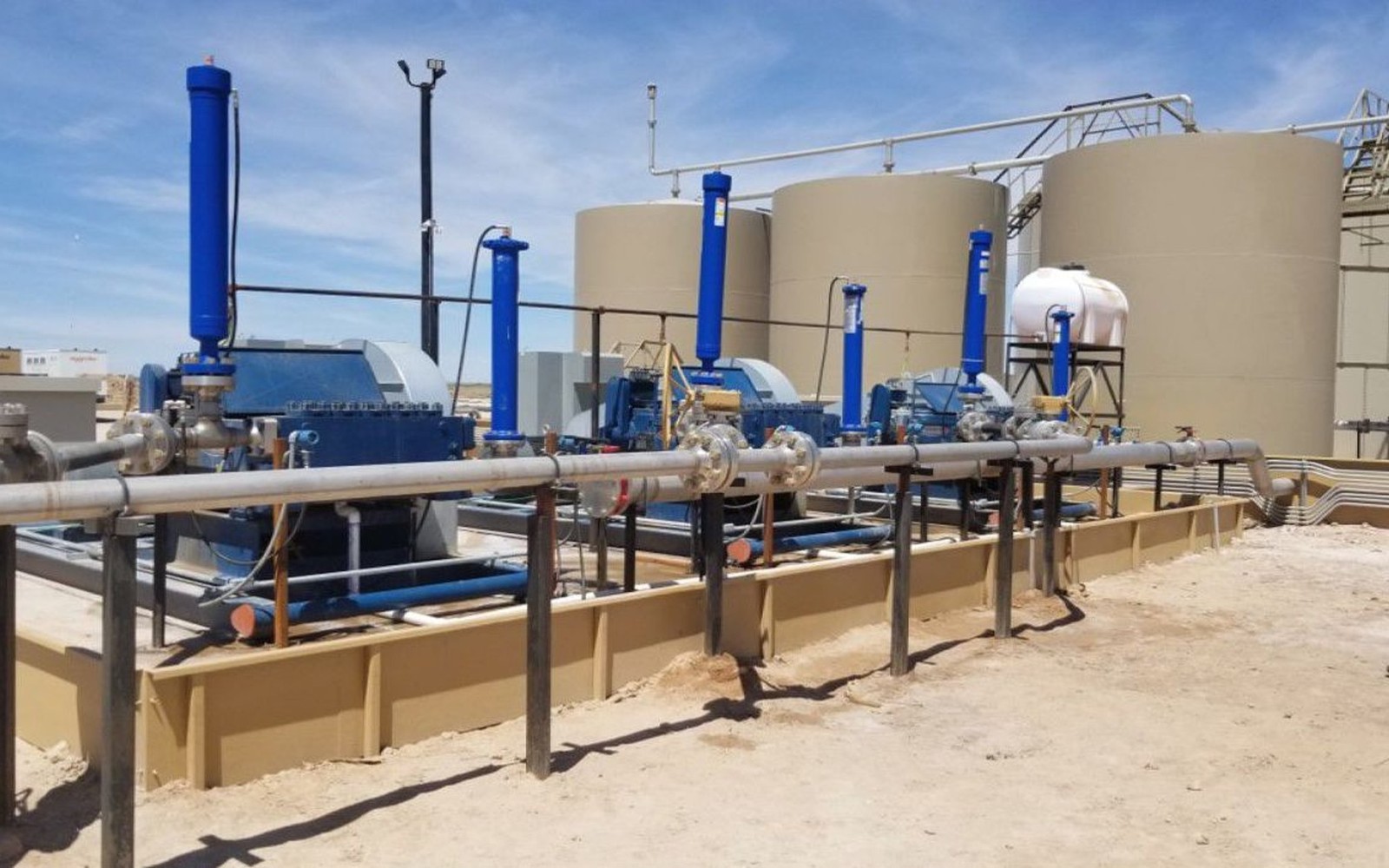
Saltwater Disposal (SWD) Operators
Equipment financing for saltwater disposal operators: injection pumps, storage tanks, separators, gensets, and SWD facility build-outs. Oilfield lender review after the complete file.
Produced water is the largest waste stream in onshore oil production, and it only grows as basins mature. In the Permian Basin, produced-water volumes have been running well above two barrels per barrel of oil equivalent across much of the acreage, which means SWD operators with permitted injection capacity are sitting on infrastructure the basin cannot function without. We finance saltwater disposal operators, from independent SWD facility owners adding a second injection pump to midsize water management companies financing tank battery expansions and new wellbores.
Minimum transaction is $50,000; the $100,000 to $150,000 range and above covers most SWD equipment purchases with room. New and used equipment qualify. The collateral is typically real, substantial, and purpose-built, which works in the borrower's favor. For facilities with multiple assets in a single transaction, we can package injection pumps, tanks, separators, and gensets into one note rather than running separate loans on each piece. Standard oilfield equipment loans and oil and gas equipment leases are both available depending on your preference for ownership versus payment structure.
SWD Facility Assets We Finance
SWD facilities are capital-intensive at every phase. Initial facility build-out, capacity expansion, and equipment replacement all generate financing needs, and we structure for each. The key equipment categories:
- Injection pumps: high-pressure electric or gas-driven plunger pumps rated for the injection zone pressure. Units in the 250 to 1,500 horsepower range are typical for commercial SWD wells in the Permian and Delaware basins.
- Storage tanks and tank batteries: steel storage tanks for incoming produced water queued ahead of injection. Frac tanks used as temporary overflow capacity. We finance through storage tank financing on permanent assets and frac tank financing on temporary capacity.
- Separators and heater treaters: produced water arriving at an SWD facility often contains residual oil and gas that must be separated before injection. Separator financing and heater treater financing cover these process vessels.
- Generator sets: remote SWD facilities without grid power run on natural gas or diesel gensets to power injection pumps and instrumentation. Generator set financing covers single-engine and multi-engine configurations.
- Vacuum trucks and tanker trucks sometimes operated by SWD facilities for direct lease-side pickup. Equipment purchased for that purpose qualifies under the same programs.
We also finance the rolling stock and service equipment that SWD facilities use to maintain their wellbores and injection tubing. Hot oil trucks for tubular maintenance, vacuum trucks for pit cleaning, and gin pole trucks for wellhead work all qualify as part of a broader facility financing package.
Structuring Deals for SWD Operators
SWD facility transactions come in a few standard shapes. New equipment purchased from a manufacturer or distributor is the cleanest structure: vendor invoice, title, and asset specs, and we advance directly to the seller. Used equipment from a facility being decommissioned or from an owner liquidating is also common in this segment, and private-party purchases are fully supported provided the seller can deliver clean title or a bill of sale with no undisclosed liens.
For SWD operators who already own their facility outright, an equipment sale-leaseback is a frequent structure. You sell the injection pumps, tanks, and process equipment to the financing company and lease them back. The facility keeps running; the capital proceeds go to a new wellbore permit, expansion costs, or other business needs. The monthly lease payment becomes a predictable operating cost, and the equity is now liquid.
Cash-out refinancing on equipment that still carries a balance but has appreciated or been paid down significantly is another path. If you bought a pump skid at one value and it appraises higher now, or you've paid the loan down considerably, a refinance can extract that equity. We need the current payoff statement, a recent appraisal or market comp, and bank statements to evaluate.
Terms and Structures for SWD Equipment
Term length on SWD equipment depends on the asset type. Injection pumps and process vessels typically support 48 to 72-month terms. Generator sets run similarly. Frac tanks and temporary equipment run shorter, often 36 to 48 months. The useful-life expectation of the asset and the advance rate together determine what term makes the payment servicing sustainable against your injection revenue.
SWD operators with strong disposal volume and solid permit positions are generally good credit risks, but the underwriting still depends on demonstrated cash flow rather than projected throughput. Three months of bank statements showing consistent revenue from disposal fees, royalty income if applicable, and operating expenses give us what we need to price the deal. If your financials are seasonal or lumpy due to basin activity, explain that context upfront. It doesn't disqualify the deal; it just helps us frame the file correctly.
Operators with B/C credit histories are considered. The asset quality in the SWD segment is often strong enough to support a deal even where credit history has blemishes. See our oilfield challenged-credit financing programs for more detail.
The Operators We Work With
Independent SWD facility owners, water management companies with multiple permitted wellbores, and production companies that own and operate their own disposal wells are all buyers we see regularly. The common thread is that the equipment is productive, the revenue is real, and the financing need is tied to capacity or efficiency rather than speculation.
SWD operators in the Permian around Midland and Pecos are among our most active clients given the concentration of produced-water volume in that geography. We also see significant activity from operators in the Delaware Basin around Carlsbad and from Bakken-area facilities in North Dakota. The financing structure is the same regardless of geography; what varies is the asset type and the injection zone pressure that dictates pump spec.
Questions before you send the file.
Straight answers about saltwater disposal (swd) operators, documentation, timing, and equipment eligibility.
Can I finance the injection pump, storage tanks, and separator as one transaction, or do I need separate loans?
You can package them into one transaction if the assets are going into the same facility and are being purchased at the same time. A single note is often cleaner operationally and can simplify your monthly cash management. If vendors are separate and timing differs, two facilities is also workable.
My SWD facility is in a remote area without grid power. Can I finance the genset that runs my injection pump?
Yes. Gensets that power SWD injection equipment qualify as part of the facility collateral package. Natural gas-driven and diesel generator sets both qualify. We include the genset in the same note as the pump and tanks if they're being acquired together.
I want to drill a second injection wellbore. Does that qualify for equipment financing or does it need a different structure?
Wellbore drilling costs are generally not eligible for standard equipment financing because there is no titled hard asset to secure. However, the surface equipment associated with a new injection well, including pumps, tanks, and surface piping, does qualify. For the wellbore itself, talk to a working capital or business loan lender with oilfield experience.
The produced water coming to my facility has significant residual oil. If I add oil recovery equipment, does that qualify?
Yes. Oil skimmers, gun-barrel separators, and heater treaters used for oil recovery at an SWD facility are financeable assets. The recovered oil revenue actually improves the financial profile of the transaction from our underwriting perspective.
How does a sale-leaseback affect my facility's operations and any existing permits?
A sale-leaseback changes who holds title to the equipment, not who operates the facility. Your permits stay in your entity's name. Operationally, nothing changes on the ground. The lease is structured so that you retain the right to operate the equipment for the full term. We recommend consulting your permit counsel to confirm the permit language doesn't have unusual equipment-ownership restrictions, but in standard oilfield structures this is not an issue.
Quote desk
Get terms on Saltwater Disposal (SWD) Operators.
Send the asset details, seller quote, and target timing. We will review the request and tell you what documentation is needed next.