

Frac Sand Equipment Financing
Finance frac sand equipment including sand kings, silo systems, conveyors, and transloading equipment. Loans, leases, and sale-leaseback. B/C credit reviewed.
The sand logistics chain in unconventional oil and gas completions moved from an afterthought to a billion-dollar industry in less than a decade. Operators who once relied on railcar-to-truck delivery from distant Wisconsin mines now prefer local sand with on-site silo systems that can feed a blender continuously through a multi-stage program. The equipment that makes that happen, from transloading facilities to portable silo conveyance systems to the trucks delivering sand between storage and the location, requires significant capital and creates real financing demand across multiple equipment categories.
We finance the full range of frac sand equipment: portable sand silo systems (sometimes called sand kings or sand castles), pneumatic conveying systems, screw auger delivery equipment, transloading facilities, and the support equipment that keeps sand moving from origin to blender hopper. Deals start at $50,000 for individual equipment pieces and run into the millions for full silo systems and transload infrastructure. We work with frac companies running proprietary sand systems and third-party sand logistics operators serving multiple customers in a basin.
Frac Sand Equipment Categories and What They're Worth
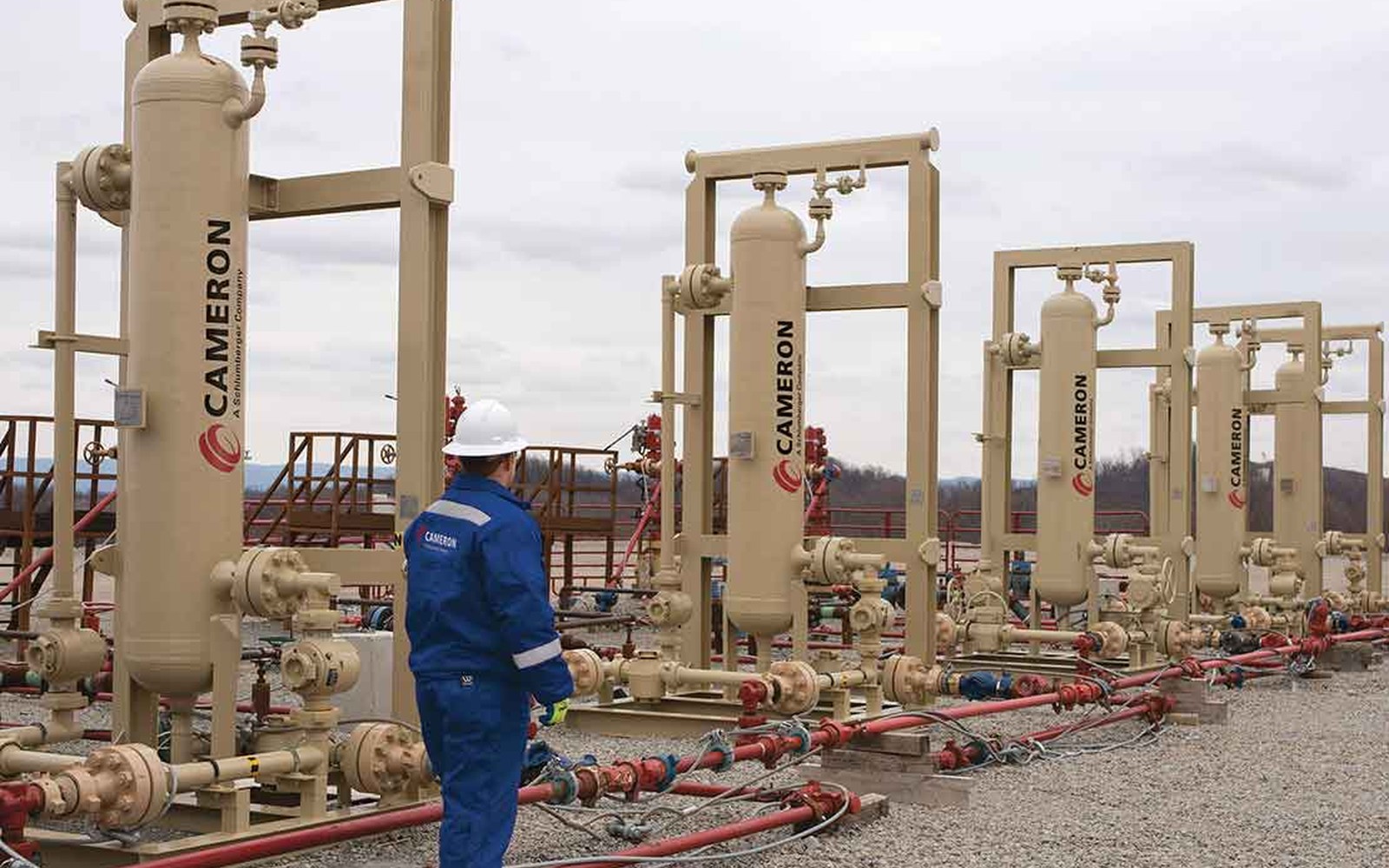
Portable silo systems are the centerpiece of modern on-location sand storage. A gravity-fed portable silo system consists of multiple vertical storage tubes (typically holding 400 to 1,000 tons each depending on configuration) supported on a trailer or skid frame, with a conveying system that delivers sand from the silos to the blender hopper. Systems from operators like Hi-Crush, Smart Sand, and equipment integrators have established the portable silo market, and the secondary market for used silo systems reflects active operator demand for proppant supply security.
Pneumatic conveying systems move sand from storage tanks to destination through pressurized pipe, reducing the number of times sand is physically handled and minimizing dust and segregation. Screw auger systems provide an alternative conveyance method in configurations where pneumatic isn't practical. Transloading equipment at rail terminals or mine gates, including belt conveyors, bucket elevators, and storage domes, represents the upstream end of the sand supply chain and often involves permanent or semi-permanent infrastructure with a different financing profile than portable field equipment.
- Portable silo capacity: typically 400 to 1,000 tons per tube; full systems often run 6-10 tubes
- Conveying systems: pneumatic versus mechanical (screw auger, belt conveyor) serve different site configurations
- Transloading infrastructure: belt conveyors, bucket elevators, and storage domes at rail/mine transfer points
- Sand quality matters for wear: coarse Northern White sand is more abrasive than finer in-basin sand, affecting equipment wear rates
Who Buys Frac Sand Equipment and Needs Financing
Pressure pumping companies that want to control their proppant supply chain are the primary buyers of portable silo systems. Owning the sand storage and conveyance equipment eliminates dependence on third-party sand logistics operators and can improve margin on completion contracts where the pumping company is responsible for proppant supply. The capital requirement for a complete portable silo system is significant, which is where financing comes in.
Third-party sand logistics companies that lease silo time to multiple frac operators on a per-ton or per-stage basis represent a second strong buyer profile. These companies often run assets across multiple basins simultaneously, which means their revenue is diversified and their equipment utilization is predictable. We work with operators in the Permian, Carlsbad, NM for Delaware Basin operations, and Casper, WY for Powder River Basin programs. A sand logistics company with solid customer contracts can often qualify for short-form oilfield financing on silo packages under $400,000 because the utilization case is clear and the equipment has active secondary market support.
Sale-Leaseback and Refinancing Options for Sand Equipment
Silo systems and sand handling infrastructure that a company owns free and clear can be converted to working capital through a Equipment Sale-Leaseback. The equipment is sold to a financing entity at agreed value and leased back under a multi-year operating lease. The company continues to operate the silos on customer jobs while the lease payment replaces what was previously a capital asset with no monthly cost. This structure works well for sand logistics companies that have paid down their silo systems but face capital demands for fleet expansion or new basin entry.
Refinancing an existing note is available on sand equipment where the current note balance is less than market value. Given how quickly the market for portable silo systems developed and how valuations have moved, some operators who financed silos in the early portable silo wave may find that their equipment has appreciated in value relative to the original financing amount. A cash-out refinance in that situation can release equity while keeping the equipment in operation. Contact us with the equipment details and current payoff and we'll evaluate whether the numbers work.
Questions before you send the file.
Straight answers about frac sand equipment financing, documentation, timing, and equipment eligibility.
Can I finance a used portable silo system that I'm buying from a company that has exited the sand logistics business?
Yes. Used portable silo systems from exiting operators are a common acquisition path. The key requirements are clear title (or a lien payoff at closing), a complete equipment schedule with tube count, serial numbers, and conveying system description, and a condition assessment. Silo systems that have been maintained and are in deployable condition carry strong secondary market value and can usually be financed at 70 to 80 percent of assessed value on standard credit.
We provide sand logistics services to multiple E&P operators on a fee basis. How do lenders evaluate that revenue model?
Third-party sand logistics revenue on a per-ton or per-stage basis is a recognizable revenue model that lenders familiar with the completion services business can evaluate. Customer diversification helps: a sand logistics operator with three or four active E&P customers in a basin has better revenue predictability than one dependent on a single operator. Three to six months of bank statements showing consistent revenue deposit patterns, along with any active service agreements, give lenders a clear picture of the business economics.
Is transloading infrastructure at a rail terminal financeable the same way as field-deployed portable equipment?
Transloading infrastructure is financeable but requires different consideration. Permanent or semi-permanent installations (conveyors anchored to a concrete foundation, storage domes, enclosed transfer facilities) are often treated more like real property improvements than moveable equipment. Financing for this type of asset may require a landlord's waiver if it's installed on leased property, and terms and advance rates may differ from portable equipment. Portable modular equipment deployed at a rail facility that can be moved if needed is closer to standard equipment financing.
How do lenders account for proppant type and wear on conveying equipment?
Lenders primarily evaluate the equipment condition at the time of financing, not the future wear rate. However, operators who regularly run coarse, angular proppant (like Northern White quartz sand) through conveying equipment should expect higher wear rates on auger flights, tube interiors, and transfer points than operators running finer in-basin frac sand. A condition inspection that documents current wear status is helpful regardless of proppant type, because it gives the lender and the buyer a common starting point for the collateral assessment.
Can I include the sand hauling trucks in the same financing package as the silo system?
Trucks and silo systems can sometimes be bundled into a single financing package, but lenders often treat truck and equipment financing through different credit products. The silo system is durable titled equipment; the trucks are a different collateral category. Bundling is most practical when the total package is large enough to warrant a structured multi-asset facility. For smaller deals, separate financing for the trucks (through a truck-specific lender) and the silos (through an equipment lender) may actually produce better terms on each piece than forcing them into a single product. Our sand hauler financing page covers the truck side.
Quote desk
Get terms on Frac Sand Equipment Financing.
Send the asset details, seller quote, and target timing. We will review the request and tell you what documentation is needed next.