

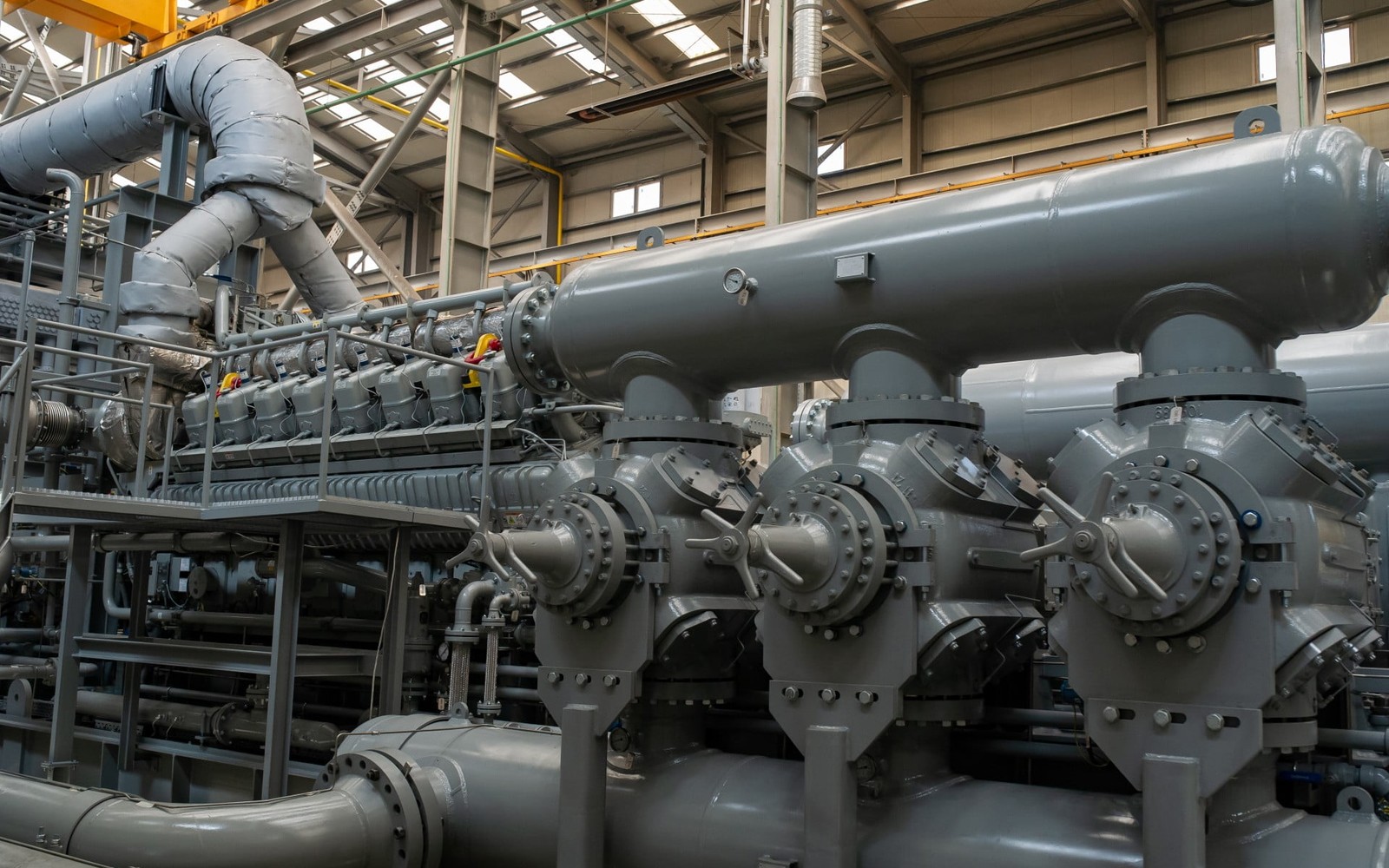
Waukesha VGF Engine Financing
Finance a Waukesha VGF gas engine for compression or power generation. Oilfield lenders who understand gas engine collateral. B/C credit considered.
Compression stations running mid-range horsepower applications across the Piceance, Wind River, and San Juan basins have long relied on the Waukesha VGF engine series. The VGF line covers several displacement and configuration variants, generally delivering horsepower in the 300 to 700 bhp range and designed for continuous-duty natural gas compression, wellhead production, and power generation applications. Financing a VGF-powered package follows the same structure as larger compression deals, but the mid-range horsepower of these units positions them in a segment of the market with especially active secondary demand, which lenders value.
We arrange financing for Waukesha engine packages, including VGF-series units, whether the transaction is a new package from a compression fabricator, a used unit from a fleet rotation, or a refinance of equity in existing iron. Our minimum is $50,000 and short-form approvals reach approximately $400,000 on qualifying deals.
VGF Series Applications and Collateral Profile
The Waukesha VGF series spans multiple configurations including V-8, V-12, and V-16 variants across its historical range. These engines use carbureted or injected natural gas fueling depending on the specific model and vintage, and they run at compression service speeds that suit mid-frame integral and separable compressor packages. The VGF platform is particularly common in regions where the installed infrastructure dates back to the 1990s and 2000s, when mid-range Waukesha engines were the dominant choice for sub-1000-horsepower compression work.
From a collateral standpoint, the VGF's widespread deployment means a broad service network, strong parts availability, and a liquid secondary market. A well-maintained VGF-powered unit with service records can command strong bids at a compression auction or private sale, and lenders familiar with the oilfield compression market know this. The advance rate on a documented VGF package generally reflects the asset's real secondary value rather than a conservative hedge against an unknown collateral category.
Where lenders pay attention is the age of the engine and whether it has had major overhaul work done. A VGF engine that has crossed a million hours equivalent of service without rebuild work is a different credit story than one with a recent documented top-end or major overhaul. Bringing documentation of service history substantially improves financing terms and approval speed. Compressor package financing across the VGF horsepower range is standard in our portfolio.
Where VGF Engines Run and Why It Matters
The Rocky Mountain basins, particularly the Piceance and Greater Green River, have large installed bases of mid-range Waukesha-powered compression. Operators in the San Juan Basin, where long-producing coalbed methane and tight gas formations use continuous low-to-mid-horsepower compression to sustain production rates, depend heavily on VGF-class units. Financing deals in these markets involves working with gas compression companies and producers whose equipment may be located at remote sites far from major service centers.
We work with lenders who have financed compression assets in these regions and understand that remote field location does not impair collateral value if the unit is properly documented and serviceable. A VGF package sitting at a gathering station in Parachute, Colorado, or at a wellhead pad in Sublette County, Wyoming, is just as valid a financing target as a unit parked at a fabricator's yard. Field inspections can be arranged through local appraisers when required.
Basin activity cycles also affect the timing and structure of VGF financing. During periods of sustained natural gas production, compression operators who can deploy units quickly to new well pads or expanding gathering systems win contracts. A financing process that delivers funded deals within one to two weeks lets operators say yes to contract calls that competitors still waiting on bank approvals cannot match.
How We Structure a VGF Package Deal
The deal structure depends on whether you are buying a new or used unit, refinancing equity in an existing asset, or doing a sale-leaseback on a deployed unit. For new package purchases from a compression fabricator, we receive a copy of the purchase order or quote, run the credit, and fund directly to the fabricator upon delivery confirmation. For used units, we need the seller's information, equipment description, and an agreed price, and we fund to the seller upon execution of a security agreement or lease documents.
For equipment refinancing on units you already own, the process starts with the current balance and the desired refinance structure. If you have equity, a cash-out refinance returns that equity to you in the form of additional proceeds. A sale-leaseback accomplishes similar goals while changing the ownership structure. Both paths are available on VGF packages in active field service.
B and C credit applicants are a regular part of our business. Natural gas service companies carry the same exposure to commodity cycles as drilling contractors, and a credit report that shows stress from 2020 or from earlier gas price downturns does not automatically close the door. The current financial picture and the quality of the collateral carry significant weight in our underwriting. Operators who want to understand what the oilfield challenged-credit financing path looks like for their specific situation are welcome to submit an application and hear an honest assessment.
Questions before you send the file.
Straight answers about waukesha vgf engine financing, documentation, timing, and equipment eligibility.
Can I refinance a VGF package that is encumbered by a small remaining balance?
Yes. If the current balance is small relative to the unit's value, a cash-out refinance at a higher amount pays off the existing note and returns the equity difference to you. We handle the payoff coordination directly with your existing lender.
The unit I want to finance is an older mid-1990s VGF model. Is it still financeable?
Age is not disqualifying on its own. A 1990s VGF unit that has been properly maintained, has recent overhaul records, and is in active service can still attract lender interest. The advance rate will be conservative to reflect the age, and the term will be shorter, but the deal can work. Bring the service history.
Does it matter whether the VGF is on a separable or integral compressor frame?
From a financing perspective, it matters primarily in how the total package is valued. Integral frame combinations (where the engine and compressor share a crankcase) are valued as a single assembly. Separable configurations (where the engine drives the compressor through a coupling) are evaluated as a combined package but with the engine and compressor as distinct components. We handle both.
I want to expand from one to three units. Can I bundle them in a single deal?
Yes. Multi-unit facilities covering two or three VGF packages are more efficient than separate applications. The credit is reviewed at the portfolio level and the documentation is consolidated. If the units are from different sellers or different locations, we coordinate funding for each piece separately within the same approved facility.
Are there tax advantages to leasing versus buying a VGF package?
The right structure depends on your tax situation. A loan gives you depreciation (including potential Section 179 or bonus depreciation on new or new-to-you units). A full operating lease may let you deduct the entire payment as a business expense rather than capitalizing and depreciating the asset. Your CPA should weigh in on which creates more tax benefit given your current income profile.
Quote desk
Get terms on Waukesha VGF Engine Financing.
Send the asset details, seller quote, and target timing. We will review the request and tell you what documentation is needed next.