

NOV Ideal Rig Financing
Finance an NOV Ideal land drilling rig. Oilfield-specific lenders, challenged credit reviewed, streamlined oilfield files to $400k, rig deals funded in 1-2 weeks.
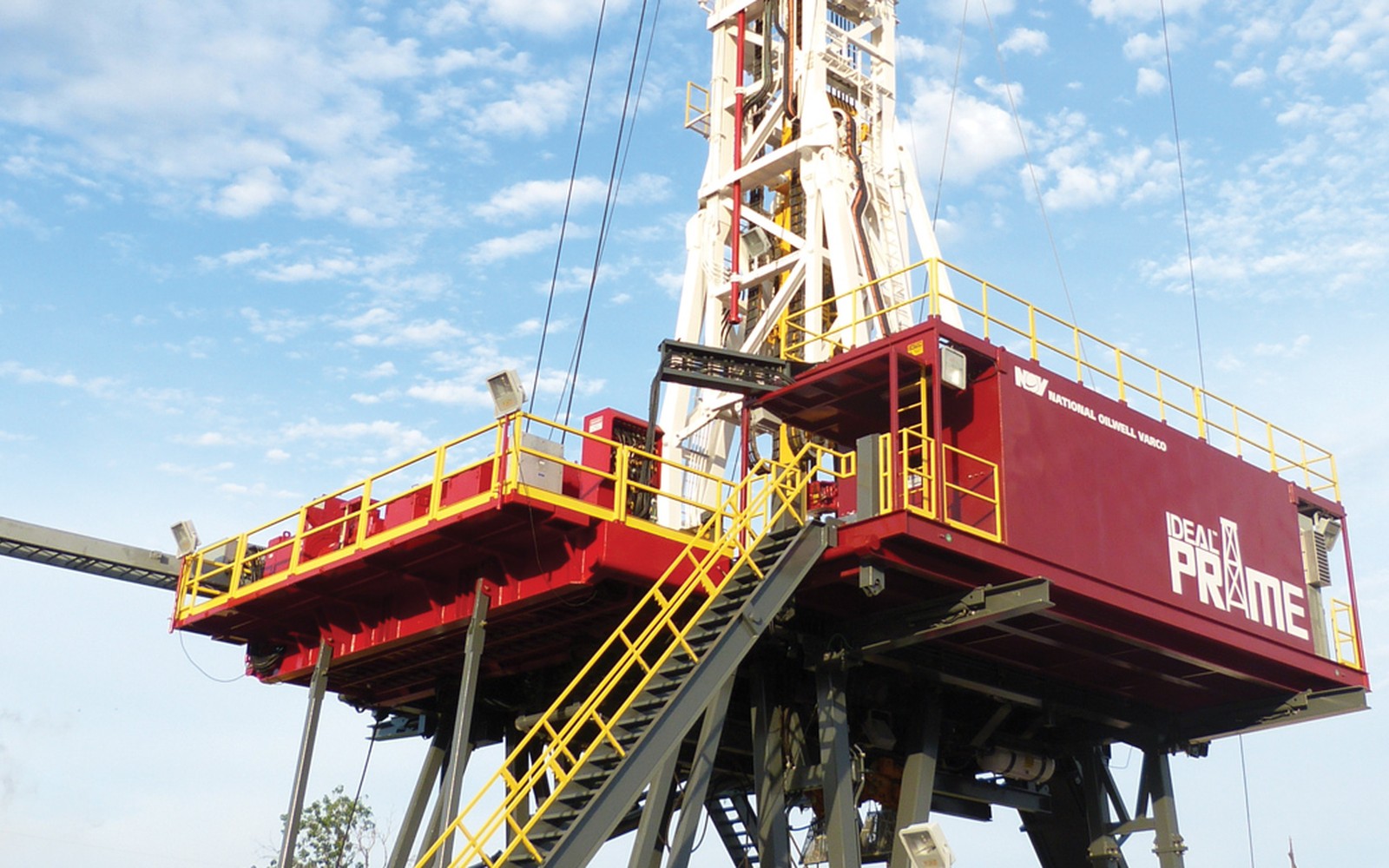
An NOV Ideal drilling rig is a complete land drilling system, and financing one means putting a large, complex, multi-component asset on paper in a way that lenders who do not specialize in oilfield equipment cannot efficiently underwrite. The Ideal Rig product line from National Oilwell Varco covers a range of drilling system capacities, from pad-optimized AC drive rigs to larger capacity systems for deep drilling programs in the Permian, Haynesville, and Utica. We arrange financing for drilling contractors acquiring, refinancing, or executing sale-leaseback transactions on Ideal Rig systems.
Working with drilling contractors on rig financing requires understanding how the rig earns, what the day rate looks like on a signed contract, and how the rig's components are inventoried for collateral purposes. We bring those underwriting relationships to your deal. Minimum transaction size is $50,000 and short-form oilfield paths to approximately $400,000 are available, though most complete rig acquisitions require a fuller financial package given the asset values involved.
Ideal Rig Systems and Collateral Structure
National Oilwell Varco's Ideal Rig line encompasses a range of modular land drilling system designs including the IDEAL Series I through Series III packages, which differ primarily in depth capacity, rotary table capacity, and hook load. The Series I systems are designed for medium-depth programs while higher Series designations cover greater drilling depths and larger casing programs. These are AC drive, SCR drive, and mechanical drive configurations depending on era and spec, with AC drive representing the current market preference for efficiency and programmability.
Financing a complete rig requires a collateral listing that covers the mast, substructure, drawworks, rotary table, top drive, mud system, power package, and ancillary equipment. Some financing is done on the complete rig package as a single collateral unit with a single serial number assignment. In other cases, major components are individually perfected to allow partial disposition or replacement. We work with lenders who have handled both approaches on Ideal Rig and other NOV system transactions.
The NOV brand carries strong secondary market recognition, which is a positive for lender confidence. An Ideal Rig that needs to be remarketed attracts interest from contractors across multiple basins, and the modular design means components can be separated and sold individually if necessary. That liquidation flexibility supports advance rates that pure-specialist lenders offer more readily than commercial bank generalists.
Rig Market Dynamics and Financing Timing
Land rig acquisition timing is closely tied to drilling program commitments and operator capital expenditure cycles. When an E and P operator commits to a multi-well pad program, the drilling contractor needs the rig available on the specified spud date. That timeline, often 60 to 180 days from contract signature to first spud, dictates when the contractor needs to have their financing committed. A lender who responds in days rather than weeks keeps the contractor's option to accept the contract open.
The Permian Basin's pad drilling activity, the Haynesville's natural gas drilling cycle, and the Appalachian basin's vertical and horizontal program mix all generate demand for the mid-to-large capacity rigs in the Ideal Rig series. Contractors who have a rig committed and financed can accept a term contract, build utilization, and generate the day rate revenue that services the debt. Those without committed capital are often first to lose contract slots to better-capitalized competitors.
Rig stacking cycles also create financing opportunities. During downturns, stacked rigs can be acquired at distressed valuations by contractors positioned to field them when the market recovers. Financing a stacked rig at a discounted purchase price, then bringing it out of cold stack for a recovery-cycle contract, is a strategy we have helped contractors execute. Used rig financing on stacked and recently refurbished NOV systems is a transaction type we handle regularly.
Monetizing Equity in an Existing Rig
Drilling contractors who have been paying down a rig note for several years, or who purchased a rig outright, often carry substantial equity in a multi-million dollar asset. That equity can be converted to working capital through an equipment sale-leaseback without taking the rig out of service.
In a sale-leaseback, the lender purchases the rig at an appraised value and immediately leases it back to the contractor at a fixed monthly payment. The contractor continues operating the rig under existing contracts and receives the sales proceeds as liquidity. The structure works especially well for contractors carrying a confirmed multi-well term contract because the contract revenue can be used to demonstrate the ability to service the leaseback payments.
Contractors who would rather retain ownership but need capital can use a cash-out refinance to achieve a similar result if equity is available. Both approaches are structured on a deal-by-deal basis with full collateral valuation.
Questions before you send the file.
Straight answers about nov ideal rig financing, documentation, timing, and equipment eligibility.
Can I finance just the drawworks and top drive, not the whole rig?
Major rig components are sometimes financed individually as capital projects, particularly when a contractor is upgrading specific components on an existing rig rather than buying a complete system. We can structure deals on significant individual rig components depending on the asset value and the borrower profile.
We have a term contract starting in 90 days. Can financing close by then?
With a clean credit profile and a documented deal, most rig financing closes in one to two weeks. The constraint is usually documentation turnaround, not lender processing time. Submit your application and equipment details as soon as possible and we can give you a realistic closing timeline based on the specifics.
Our company went through a restructuring two years ago. Can we still qualify?
Post-restructuring borrowers can qualify, particularly if the restructuring resulted in a cleaner balance sheet and the company has performed well since. We will want to see the post-restructuring financials and understand the current capital structure. Two years of improved performance post-restructuring is a reasonable track record to work with.
How do lenders handle a rig that moves between multiple well locations during the loan term?
Lenders on mobile drilling equipment account for the fact that the collateral moves. The loan documents typically require you to notify the lender of location changes and maintain insurance continuously. The security interest follows the rig regardless of location.
What is the maximum loan term available on an Ideal Rig?
Terms on complete rig packages typically run 60 to 84 months on newer systems and 36 to 60 months on older or higher-hour equipment. The term is calibrated to keep the loan balance above the projected depreciated value throughout the loan life. Longer terms reduce monthly payments but increase total interest cost.
Quote desk
Get terms on NOV Ideal Rig Financing.
Send the asset details, seller quote, and target timing. We will review the request and tell you what documentation is needed next.