

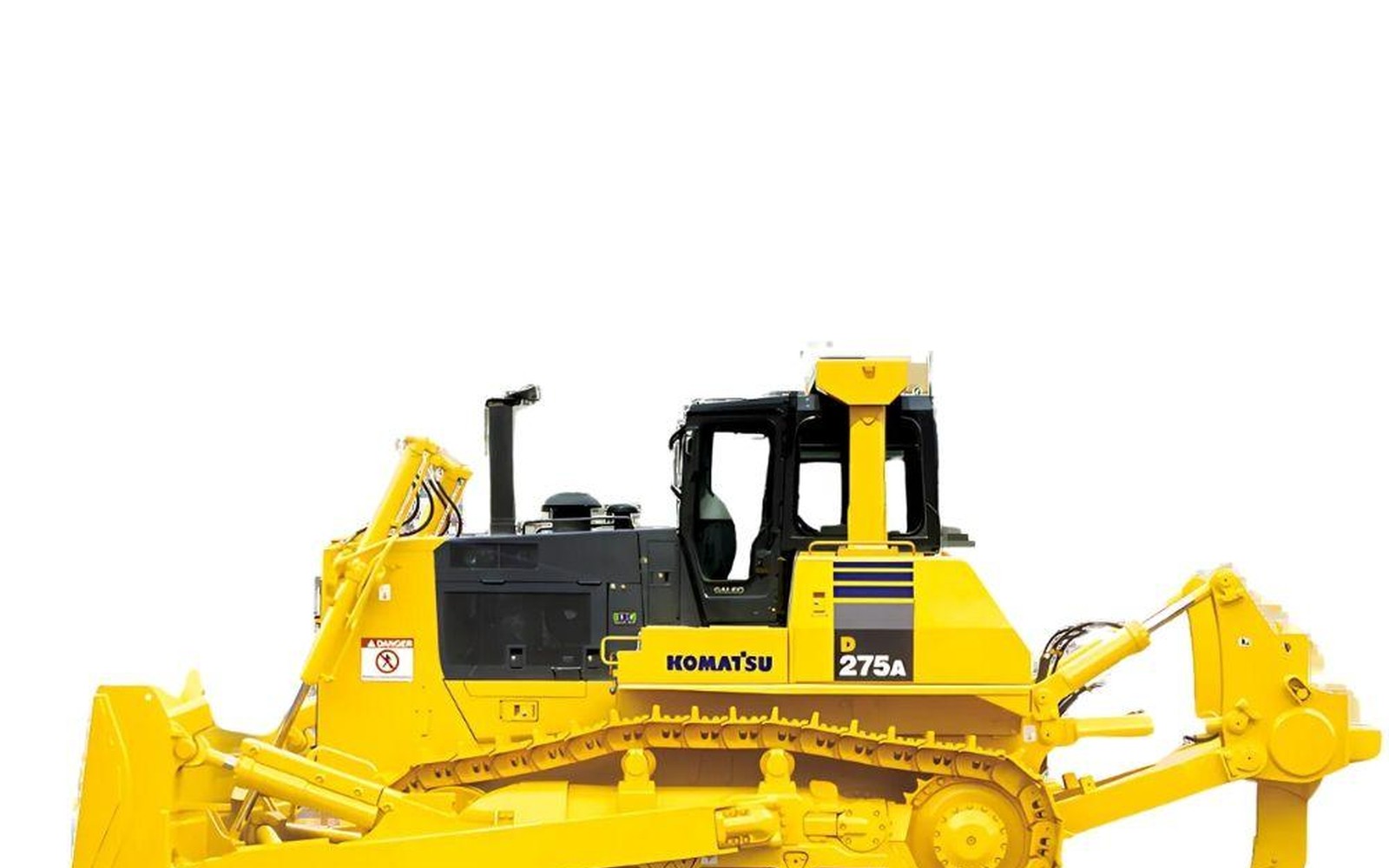
Komatsu D155C Pipelayer Financing
Finance a Komatsu D155C pipelayer for mainline pipeline lowering operations. short-app funding to $400k, B/C credit considered, closing after field-ticket review. Get a.
The basin doesn't slow down for equipment sourcing, and a mainline spread with the right pipe and crew but no capable pipelayer is a spread that doesn't move. The Komatsu D155C is one of the proven platforms in the heavy pipelayer category, built on the D155 crawler tractor chassis and configured for the lifting and lowering demands of large-diameter steel pipe on transmission-class projects. Operators who know the machine know it for its stability underfoot, its predictable lift arc, and a frame that takes the rough right-of-way conditions that mainline construction routinely delivers. We finance D155C pipelayers for pipeline contractors across the major producing basins, from the Permian to the Williston to the Appalachian.
Deals start at $50,000, though the D155C typically transacts well above that threshold given its position in the heavy pipelayer market. Short-form underwriting is available up to approximately $400,000. Above that, we run a light-document review rather than a full audit. New and used units both qualify. B/C credit is genuinely considered, not a courtesy line in fine print. From a complete application to funded transaction, most deals close in one to two weeks. Spread schedules don't extend for bank timelines, and this process is not run like a bank.
D155C Platform and Field Specifications
The D155C pipelayer variant is derived from the Komatsu D155 crawler dozer platform, one of the most widely deployed large dozers in the construction and mining industries. The pipelayer conversion retains the D155's undercarriage, final drives, and powertrain while adding the sideboom, counterweight assembly, and hook block required for pipe lowering operations. The result is a machine that combines the D155's ground stability and tractive effort with the precision lift control that a pipelayer application demands.
The D155 platform is powered by Komatsu's SAA6D140E diesel engine series. Net horsepower in the D155 class runs 230 to 260 depending on model variant. Operating weight in pipelayer configuration, including the counterweight and boom assembly, requires heavy-haul transport for mobilization across spread sections, a logistics factor that is part of the project plan from day one.
In terms of lift capacity, the D155C competes directly with the Volvo PL4809D and the Caterpillar PL87 in the large pipelayer segment. Contractors who run a mixed-brand fleet to cover spread requirements sometimes pair a D155C with a smaller Caterpillar 587T, where the D155C handles the largest-diameter joints and the smaller machine handles lighter pipe sections and repositioning. The secondary market for the D155C is active, though used units range considerably in boom and counterweight condition. A documented overhaul history on those components is a meaningfully different collateral position than the same machine with an unknown boom service record.
Buying New, Certified Used, or Through Auction
The D155C changes hands primarily on the private market and through specialized heavy construction equipment auctions. Unlike a general-purpose excavator, it does not turn up regularly in dealer used lots because the buyer pool is narrow and deals run between contractors or through dealers who focus on pipeline equipment specifically.
For new pipelayer acquisitions through Komatsu's dealer network, captive financing is available, but it is not always the most flexible path for buyers whose deal structure involves a trade or sale-leaseback of existing equipment. Our financing team covers new Komatsu equipment as directly as it covers used.
Used pipelayer financing makes up the majority of our D155C deal flow. The key underwriting input is condition documentation: a pre-purchase inspection with specific attention to the sideboom cylinder, counterweight carriage, and undercarriage wear gives lenders confidence to advance at a rate that reflects the machine's actual value. A clean inspection on a well-maintained D155C consistently produces better terms than the same machine without documentation.
Refinancing and Sale-Leaseback on D155C Units You Already Own
Contractors who own a D155C outright, or own one with a small remaining balance, have options beyond simply selling the machine if they need capital. A sale-leaseback converts the machine's equity into project capital while allowing the contractor to continue operating it under a lease structure. A cash-out refinance achieves a similar result under a loan structure, where the machine is pledged as collateral and the proceeds go to the business for working capital, down payments on additional equipment, or project mobilization expenses.
In the mainline pipeline business, capital demands are lumpy. A contractor may win a project that requires additional equipment, bond capacity, or front-loaded mobilization spend well before the first progress payment arrives. A D155C generating no return as an idle asset on the yard can be put to work financing the next project instead. For a machine in this price range, a sale-leaseback or cash-out refinance can produce a meaningful liquidity event without requiring the contractor to sell equipment that is core to their operating capacity. The process mirrors a purchase transaction: application, current bank statements, and equipment valuation documentation.
Questions before you send the file.
Straight answers about komatsu d155c pipelayer financing, documentation, timing, and equipment eligibility.
Can I get financing approved before I finalize my bid on a D155C at auction?
Yes, and we recommend it for any pipelayer acquisition at auction. Tell us the approximate unit age, expected hours range, and your target bid ceiling and we will issue a conditional approval before auction day. That way you bid with real financing in hand rather than trying to scramble for capital after winning the lot.
The D155C I want to buy has a boom assembly that was rebuilt two years ago but the base machine has high frame hours. How do you handle that?
We look at the full picture. A documented boom rebuild is a meaningful positive, because the boom and counterweight assembly are among the highest-wear components on a pipelayer. If the rebuild is documented with invoices and the base machine's undercarriage has been measured and is within acceptable limits, that is a fundable collateral position. We include the rebuild documentation in the lender file rather than letting raw frame hours tell the whole story.
I own a D155C free and clear but need working capital ahead of a project start. What are my options?
A sale-leaseback or cash-out refinance against the D155C is the most direct path. We lend a percentage of the machine's current market value, fund the proceeds to you, and you continue operating the machine under a lease or loan structure. The capital can go to mobilization costs, bond premiums, crew hiring, or any other project need. There is no restriction on how you apply the proceeds.
Does the D155C's specialized use as a pipelayer make it harder to finance than a general-purpose excavator?
The specialized application does narrow the lender pool compared to a standard excavator, but it does not make financing impractical. We work with lenders who understand pipeline construction equipment and its resale market. The key for a pipelayer is documenting condition of the entire assembly, including boom and counterweight, which a lender who specializes in this asset class already knows to ask for.
Can I finance a D155C if my company is less than two years old?
Startup and early-stage companies are reviewed on a case-by-case basis. Key factors include the principals' prior industry experience, any existing project contracts, and the business's bank account history. Our startup equipment financing program exists precisely for operators who are building a company and do not yet have the two-year track record that traditional lenders require as a baseline.
Quote desk
Get terms on Komatsu D155C Pipelayer Financing.
Send the asset details, seller quote, and target timing. We will review the request and tell you what documentation is needed next.