

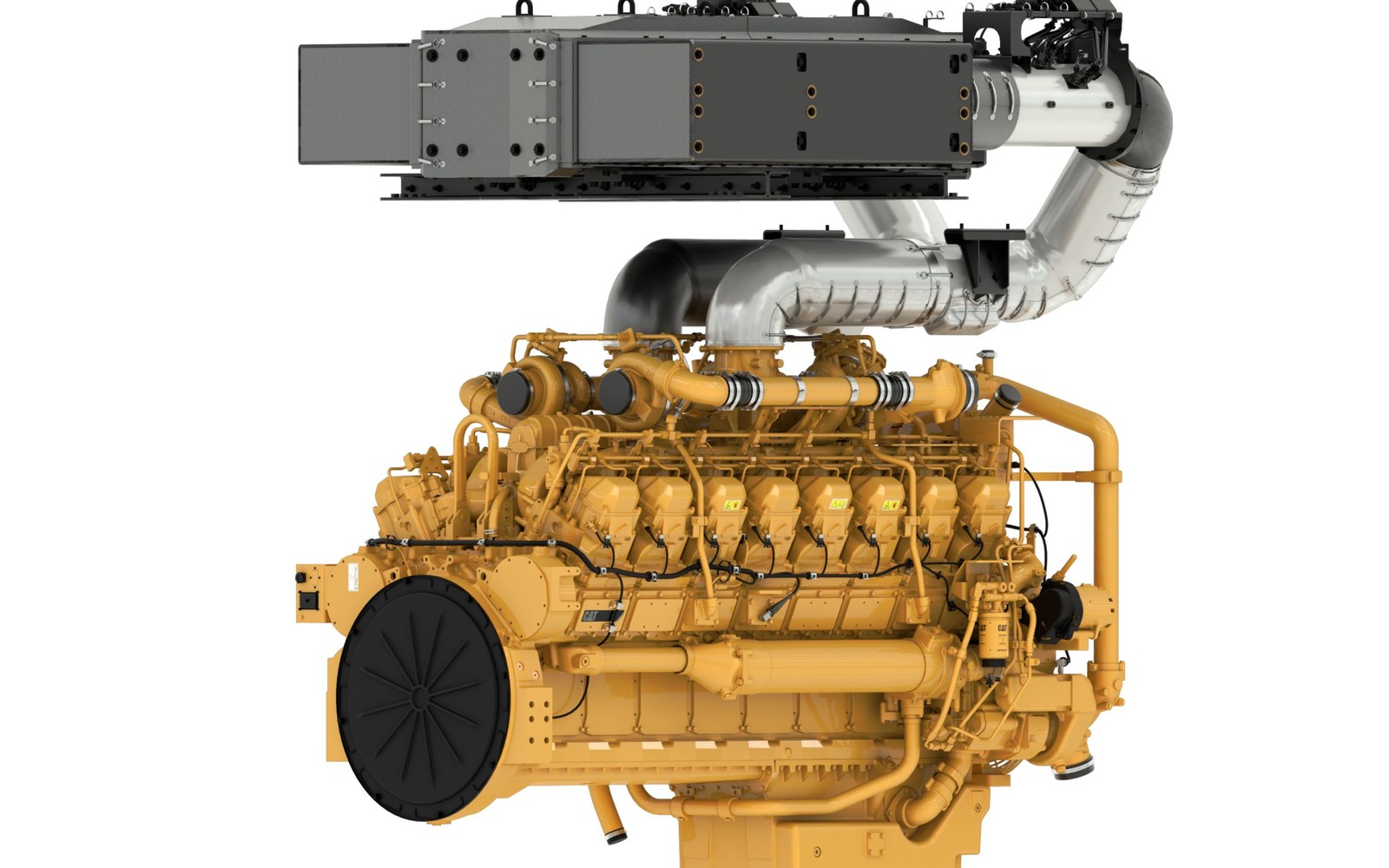
Detroit Diesel DD15 Engine Financing
Finance a Detroit Diesel DD15 for oilfield trucks and service rigs. short-app funding to $400k, B/C credit considered, closing after field-ticket review.
Permian and Haynesville spreads burn through horsepower around the clock, and the Detroit Diesel DD15 is the engine that keeps a lot of that iron moving. At 455 to 505 horsepower and up to 1,850 lb-ft of torque in its top configuration, the DD15 is the backbone of heavy oilfield day cabs, winch trucks, vacuum trucks, and gin pole trucks that cover the basin day and night. Financing a DD15-powered unit through us means dealing with lenders who already understand residuals on oilfield spec trucks, not bankers trying to slot a vacuum tanker into a consumer auto form.
We work with oilfield trucking companies and individual owner-operators across the Permian, DJ Basin, Williston, and Appalachia. Our minimum is $50,000, with a sweet spot around $100,000 to $150,000 and above. Short-form approvals run to approximately $400,000, which covers most single-unit or two-truck deals on DD15 equipment without pulling full financial statements from day one.
The DD15 in Oilfield Service
Detroit Diesel introduced the DD15 as the successor to the Series 60, and the oilfield adopted it heavily because the platform delivers good fuel economy and reasonable field serviceability alongside the horsepower needed to haul loaded vacuum tankers or work as a prime mover on light well-service rigs. The GHG17 emissions calibration (model year 2017 onward) added tightened SCR and DPF requirements, which affects how lenders view older GHG14 units.
From a collateral standpoint, a late-model DD15 day cab or vocational truck in full oilfield spec holds value better than a comparable line-haul sleeper because these trucks tend to run lower mileage on a per-year basis and attract steady secondary demand from workover and well service operators looking for powered chase vehicles or vacuum truck power units. We see strong appraisals on post-2017 units and still workable collateral on 2013-to-2016 GHG14-era trucks with documented service histories.
Used DD15 oilfield trucks commonly price from roughly $80,000 on well-worn workhorse units to $200,000 or more for recent low-mileage purpose-built configurations. New OEM chassis with DD15 power ordered through a dealer typically run higher, but dealer-arranged retail does not preclude our financing. Private-party transactions, fleet liquidations, and auction purchases are all deal types we handle.
New Build vs. Used Unit Decisions
A new DD15 chassis through a Kenworth or Freightliner dealer gives you current emissions compliance, factory warranty, and the ability to spec the body to the job. The trade-off is 12 to 24 weeks of build time during peak demand cycles, and full-sticker pricing that can stress cash flow early in a contract cycle. Financing a new unit over 60 to 72 months smooths that initial cash drain and keeps liquidity available for fuel, labor, and the first few months of insurance before day-rate revenue hits steadily.
Used DD15 units, particularly 2016-to-2021 model years with under 300,000 miles and documented PM records, are almost always the faster path. You can source the truck, get an inspection done, and be funded in about one to two weeks with us. That matters when an operator calls asking if you can mobilize next Monday. Used equipment financing on a DD15 platform works the same way as new, with the lender adjusting term and advance rate based on age and hours rather than refusing the deal outright.
Credit and Documentation
B and C credit is a regular part of our book. Oilfield service companies and independent truck operators have uneven credit histories that reflect the commodity cycles they live through, not necessarily their ability to service debt on a working asset. We consider applications from businesses with prior liens, recent slow-pay histories, and companies that weathered 2015-2016 or 2020 downturns on their record.
For deals up to approximately $400,000, short-form approval is available. That means the equipment description, purchase price, and basic business information drive the decision without requiring two years of tax returns or full financial statements. Above that threshold, we typically ask for three months of bank statements and may request a current P and L. Deals that include a sale-leaseback component or a cash-out refinance on equity in existing trucks follow a similar lightweight documentation path in most cases.
Timeline from Application to Funded
Submit a credit application with the truck's year, make, model, and VIN or equipment description, plus a copy of the purchase agreement or auction invoice. We aim to return a credit decision within one business day on straightforward deals. Once approved, documentation is prepared and typically returned to us within 24 to 48 hours. Funding follows after the lender confirms the seller has signed over title or the dealer releases the unit. Most deals close in about one to two weeks from first contact. If your timeline is tighter because of a purchase deadline or an operator waiting on mobilization, tell us upfront and we will communicate exactly what needs to happen to compress the schedule.
For operators interested in the TRAC lease structure, which is common on vocational trucks because of its terminal rental adjustment clause that lets you buy out or return the unit at term end, the documentation process is essentially identical. TRAC leases are also fully deductible as an operating expense for most oilfield operators, which is a conversation worth having with your CPA before you choose between a loan and a lease.
Related Equipment and Trucks
The DD15 does not operate in isolation on a spread. A vacuum truck hauling produced water needs a companion winch truck on some jobs, and hot oil and kill units often run alongside. If you are building out a fleet or need to replace multiple pieces at the same time, bundling units under a single credit facility usually simplifies the process compared to separate applications. We can structure a single loan or lease covering multiple trucks as long as the collateral description covers all of them.
Operators who want to diversify their fleet beyond the DD15 platform sometimes look at comparable Cummins or Kenworth vocational trucks. The Kenworth T800, which is frequently spec'd with either a Cummins or a DD15, is one of the most common oilfield truck platforms we finance. If you are comparing power units or trying to decide between platforms, we can structure quotes on both simultaneously so the decision stays financial rather than turning into a separate vendor exercise.
Questions before you send the file.
Straight answers about detroit diesel dd15 engine financing, documentation, timing, and equipment eligibility.
Can I finance a DD15 truck I found at an auction or from a private seller?
Yes. Private-party and auction purchases are common in our book. You will need a purchase agreement or bill of sale with the price, the seller's information, and the equipment description. We fund directly to the seller or to the auction house depending on how title transfer is structured.
My company had a slow-pay year during a commodity downturn. Will that disqualify us?
Not automatically. We work with B and C credit applicants regularly and review the story behind the credit history, not just the score. A clear explanation of what caused the slow-pay period and evidence of current cash flow often gets deals to approval that a bank would decline.
Can I refinance a DD15 truck I already own to pull out cash?
Yes, if you have equity in the truck. A cash-out refinance or sale-leaseback lets you monetize that equity for working capital, a down payment on additional equipment, or any other business use. The truck stays in your fleet and you continue operating it under the new structure.
How does a TRAC lease differ from a loan on a vocational truck?
With a loan you own the truck and build equity through payments, with a lien on title. A TRAC lease is a tax-oriented operating structure where the lender holds title and you make fixed payments. At the end of term you can purchase the truck at a pre-agreed residual, return it, or refinance. TRAC payments are typically fully deductible as an operating expense, whereas a loan requires you to depreciate the asset separately. Your CPA can tell you which treatment benefits your specific tax position.
What is the minimum deal size for DD15 truck financing?
Our minimum is $50,000. Most DD15 oilfield trucks fall above that floor on their own. If you have a smaller transaction, reach out and we can tell you whether there is a path given the specific asset and borrower profile.
Quote desk
Get terms on Detroit Diesel DD15 Engine Financing.
Send the asset details, seller quote, and target timing. We will review the request and tell you what documentation is needed next.