

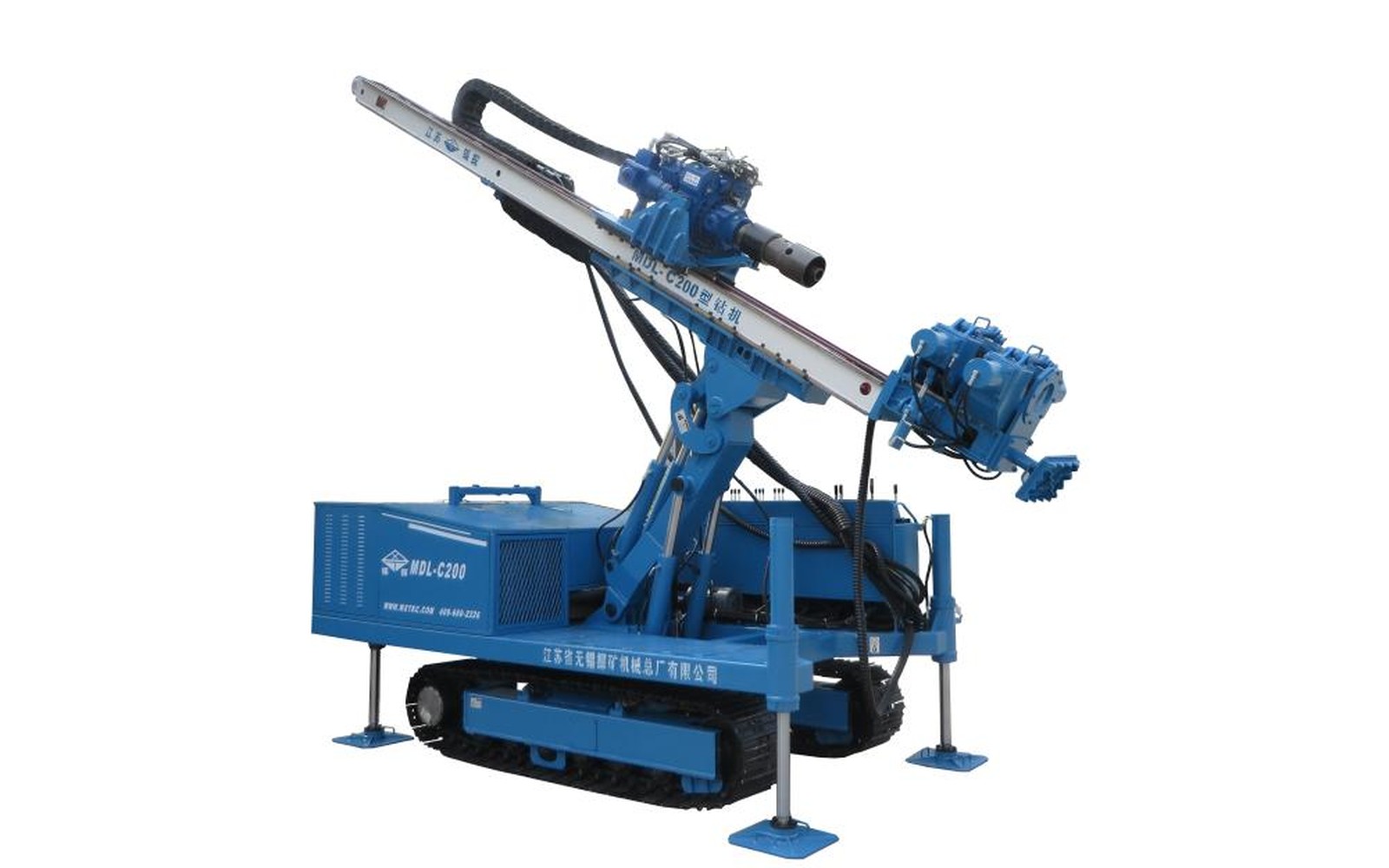
Top Drive Financing
Finance new or used top drive systems from NOV, Canrig, and other OEMs. Equipment loans, leases, and short-form options up to $400k. Oilfield lender review after the complete file.
A rotary-table rig competing for unconventional horizontal work is fighting with one arm tied behind it. Operators running multilateral programs and extended-reach laterals want top drives, full stop. For contractors who bought into the current rig cycle on older iron, retrofitting a top drive is often the fastest path to qualifying for the contracts that actually pay. Our top drive financing gets that upgrade done without stripping your operating account or delaying a contract bid.
We finance top drive systems from $50,000 on up, covering standalone retrofit units, new OEM systems purchased through distributors, and used top drives acquired through the secondary market. Structures include equipment loans, equipment leases, and short-form oilfield financing up to roughly $400,000. Credit requirements are flexible; B/C credit is reviewed rather than automatically declined. Funding typically runs one to two weeks from complete submission.
Top Drive Systems: What They Are and What Drives Their Value
A top drive replaces the traditional rotary table and kelly system with a traveling motor unit mounted in the mast that rotates the drill string from above. The practical benefits are well-documented in the industry: top drives allow continuous rotation during trips, reduce stuck pipe events, and enable back-reaming capability that a kelly setup cannot match. Those operational advantages translate directly into faster well times and lower day-rate costs per foot drilled, which is why most operators issuing contracts for horizontal wells specify top drive capability.
Major OEM systems include NOV's TDS series, which has become a reference standard in the market. The NOV TDS-11SA is a widely deployed unit in the 500-ton class with an AC motor configuration suited to a range of well programs. Canrig (a Nabors subsidiary), Bowen, and Continental Emsco all have top drives in the secondary market with varying levels of parts and service support. Lenders assess top drive collateral based on OEM brand, motor type (AC versus DC), torque rating, hook load rating, and parts availability, because all of those factors influence secondary market liquidity.
- Common torque ratings: 22,500 ft-lb to 60,000 ft-lb depending on class
- Hook load ratings typically match the rig's overall rated capacity
- AC motor units dominate newer inventory; DC units remain serviceable but trade at a discount
- Controls and interface compatibility with the rig's VFD system matter to buyers in the secondary market
Contractors Most Likely to Need This Financing
The operators who most commonly reach out about top drive financing fall into a few categories. First is the contractor who bought a used mechanical rig at a discount and wants to expand the contract market available to that unit. Adding a top drive to a 1,000-horsepower mechanical rig that inspects well can move it from a limited pool of vertical or shallow-angle contracts into consideration for lateral programs. Second is the contractor whose top drive is at the end of its service life and needs a replacement before a contract renewal. A failed top drive mid-contract is a mobilization penalty and a day-rate interruption, so proactive replacement financing often pencils out ahead of reactive repair.
Third is the growing contractor who needs to add a second or third top-drive-equipped unit to field multiple simultaneous contracts. Drilling contractors building a small fleet in active basins like the Permian or the DJ Basin in Colorado often use our financing to add units faster than their operating cash flow would allow. We also work with oilfield rental companies that keep top drives in rental inventory for contractors who want the capability without the capital cost of purchase.
What the Application Requires
For deals under roughly $400,000, an short-form oilfield path is available. This typically means completing a credit application for the business entity, providing basic business information, and submitting a purchase agreement or quote for the top drive. No tax returns or financial statements are required on the short-form track, which is a real advantage for small operators who keep simple books.
Full-documentation deals above $400,000 or for borrowers with thinner credit files will need recent operating statements and potentially a profit-and-loss statement. The cleaner the credit and the more established the operating history, the lighter the documentation burden tends to be. Either way, we work through the requirements with you rather than dropping a 30-page checklist at the start. Deals for new companies can sometimes access our oilfield challenged-credit financing program if credit scores are below standard thresholds.
Questions before you send the file.
Straight answers about top drive financing, documentation, timing, and equipment eligibility.
Can I finance a top drive retrofit separately from the rig it's being installed on?
Yes. A top drive can be financed as a standalone piece of equipment with its own collateral and loan structure. The rig it's being installed on doesn't need to be pledged or refinanced in the same transaction. If the rig already has an existing lien, we'll need to understand that picture, but a separate top drive deal is a clean and common structure.
Does the top drive need to be installed and operational before funding?
Not necessarily. We can fund at the time of purchase, before installation. If you're buying from a used equipment dealer and the unit needs inspection before shipping, we work with the timeline. A purchase agreement and a clean inspection report are typically sufficient for the lender to commit to funding.
Are DC motor top drives harder to finance than AC units?
DC top drives are financeable but they carry a smaller secondary market than AC systems, which affects how a lender views the collateral. You may see a slightly higher down payment requirement or a shorter term on an older DC unit compared to a comparable AC system. The OEM brand, the service history, and the parts availability situation all factor in alongside the motor type.
Can I refinance a top drive I bought outright to pull cash out for other equipment?
Yes. If you own a top drive free and clear, a cash-out refinance converts that equity into working capital. The amount available depends on the current appraised value of the unit. This is a useful structure when you need capital for a related purchase, like adding a second pump or upgrading the solids control system, without taking on new unsecured debt.
What happens to the financing if the rig the top drive is on gets sold?
The top drive financing obligation follows the borrower, not the rig. If you sell the rig and remove the top drive, the note on the top drive continues. If the top drive is sold with the rig, the payoff on the top drive note is typically handled at the sale closing, similar to how a vehicle note is handled at a car sale.
Quote desk
Get terms on Top Drive Financing.
Send the asset details, seller quote, and target timing. We will review the request and tell you what documentation is needed next.