

Volvo Construction Equipment Financing
Finance Volvo pipelayers, excavators, and articulated haulers for oilfield pipeline and construction work. short-app funding to $400k. Closing after field-ticket review.
Pipeline spreads across the Permian and DJ Basin run on Volvo iron as much as any other marque in the field. The PL4809D pipelayer is a fixture on mainline pipe jobs where reach and lift capacity dictate the machine choice, and Volvo's articulated dump trucks move the overburden on right-of-way cuts that precede every pipe lay. Getting that equipment under contract fast is what separates the crew that takes the job from the one that watches it go to a competitor.
We finance Volvo construction equipment used in oil and gas pipeline work: pipelayers, excavators, graders, and articulated haulers. Transactions start at $50,000, and the paperwork is proportionate to the deal size. At $400,000 and below, an application and three months of bank statements usually gets the job done. Larger spreads take more documentation, but the timeline still runs closer to a week or two than to thirty days. That speed matters when the operator has a mobilization date on the calendar and needs iron in the yard before it arrives.
Used Volvo machines are welcome. A D-series pipelayer with 4,000 to 6,000 hours and a solid service history is a perfectly fundable asset, and purchasing from a private seller is not an obstacle. We handle private-party equipment financing and can work with your chosen machine whether it sits at an equipment dealer or at another oilfield contractor's yard.
What Volvo Equipment We Finance in the Oilfield
The Volvo lineup used in oilfield pipeline and construction work covers several machine categories, and each one has a distinct financing profile based on resale depth and typical transaction size.
Pipelayers. The Volvo PL4809D pipelayer is the marquee machine in this fleet for pipeline work. Built on a D9-class undercarriage, it pairs substantial lift capacity with the stability needed on sloped right-of-way. Transaction sizes for a late-model PL4809D typically land running about $250k to $500k, depending on hours and configuration. That is well inside the appetite of our financing team.
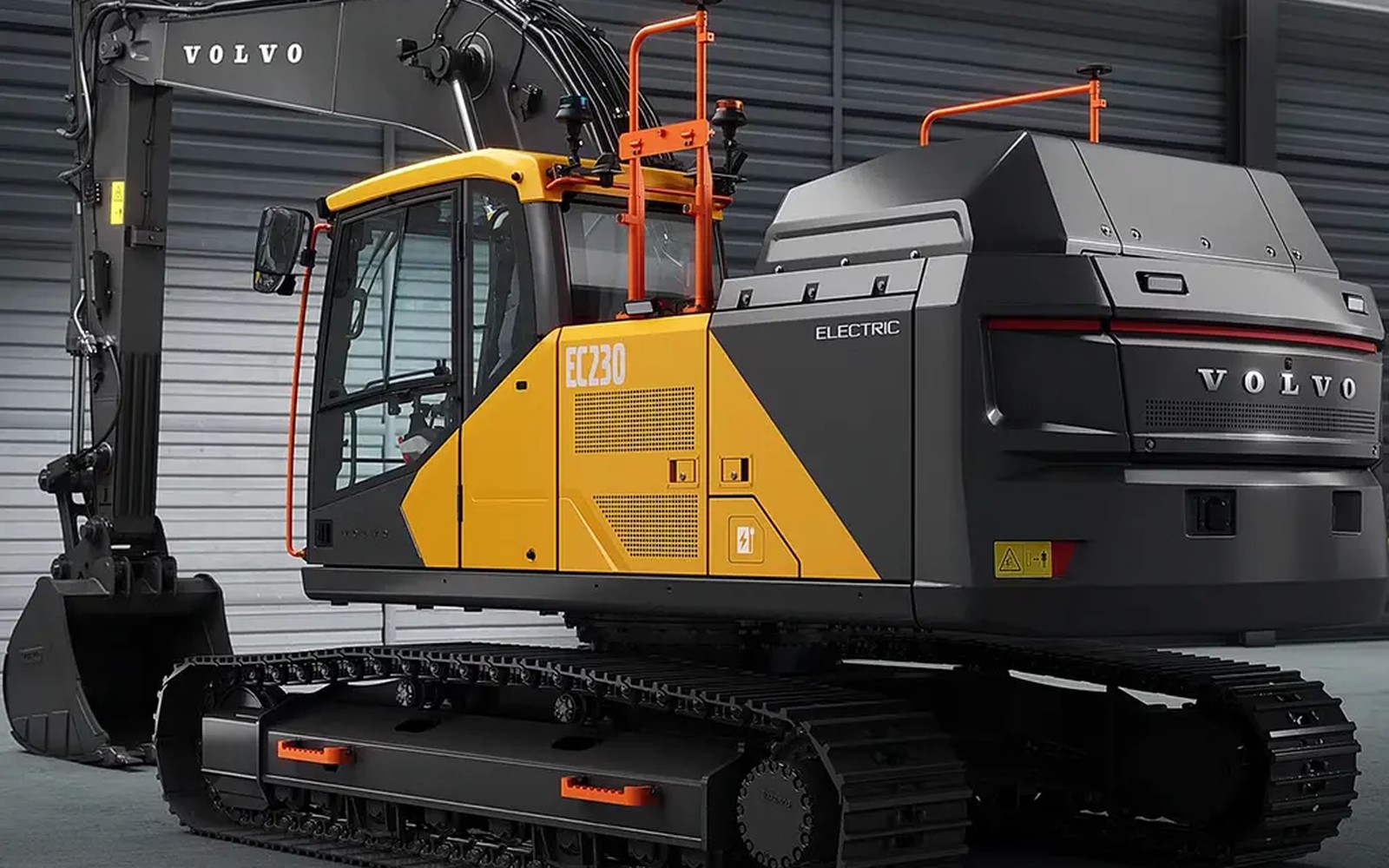
Excavators. Volvo EC300 and EC380 class excavators appear on pipeline trench work, stringing yards, and facility pad construction throughout the Permian Basin and Appalachian shale plays. These machines cross-finance well against Caterpillar equivalents, and lenders familiar with oilfield iron treat them as stable collateral.
Articulated Dump Trucks. A60 and A45 series haul trucks move material on right-of-way construction and pad building, particularly on longer pushes where the underfoot conditions make crawler-mounted hauling impractical. We fund these as standalone units or as part of a spread package.
If your Volvo machine is not listed above, ask us. The equipment catalog is broad and what matters to underwriting is the asset's oilfield serviceability and market value, not the model number.
New vs. Used Volvo Iron on Pipeline Jobs
Volvo holds reasonable resale value in the construction equipment market, which is one reason lenders extend terms on used machines without requiring massive down payments. A 2018 or 2019 PL4809D with inspection records and a clean service log is a straightforward asset to underwrite.
New machines carry full dealer documentation, current warranty coverage, and financing programs available through the dealer network, but dealer programs are not always the fastest path. Our direct lender relationships can match or beat dealer rates on qualifying credits and close faster on the used inventory that fills most oilfield yards. The pipeline contractor who bought a used pipelayer from a spread that came apart in the Haynesville is exactly the borrower we work with regularly.
Sale-leaseback is available on Volvo equipment you already own. If a PL4809D or a Volvo ADT is on your books and you need working capital to bid a new job or cover mobilization costs, we can structure an equipment sale-leaseback that gets cash out without selling the machine. The asset stays on your job site; the equity comes to your account.
Where Volvo Equipment Shows Up in Oilfield Pipeline Work
Pipeline construction in the Permian Basin, DJ Basin, and Marcellus/Utica plays depends on machines with proven reliability on long right-of-way jobs. Volvo built its oilfield reputation by producing pipelayers that hold up on rocky terrain and articulated haulers that keep moving in the soft underfoot conditions common on West Texas caliche pads.
Midstream operators moving natural gas through gathering systems in the Delaware Basin and Midland Basin have been among the heaviest users of Volvo pipelayers. The gathering infrastructure build-out that followed the shale expansion from 2012 onward put significant numbers of Volvo machines into the used equipment pool, which means late-model units are findable, priceable, and lender-recognized.
Pipeline contractors running this equipment know the utilization cycles well. A machine that runs steady during an infrastructure build can sit for months when the capital programs pause, which is exactly why flexible payment structures matter. We can set up seasonal or deferred-start structures on qualifying deals that align payment timing with your project cash flow rather than a fixed monthly calendar.
If the job is in the Midland, TX basin or staging out of a yard near Casper, WY for Rockies pipeline work, we have financed spreads in both corridors and know how operators in those markets buy and use iron.
Credit and Documentation for Volvo Transactions
A strong credit profile moves to the front of the queue, but we work across the credit spectrum. If the business is cash-flowing, the equipment is identifiable, and the operator has a plausible utilization plan, there is a path to funding even with past credit challenges. B and C credit applications go through a different set of available equipment finance programs but do not result in a flat no by default.
For deals up to roughly $400,000, the application itself plus three months of bank statements covers most of what underwriting needs. Larger transactions, sale-leasebacks, and refinances on machines with existing liens require more supporting financials. We walk through the list on the first call and tell you exactly what to pull together.
Startups and newer companies are tougher to place on large-iron deals, but not impossible. An operator with personal credit and relevant oilfield experience can access new business and startup financing for Volvo equipment, though the structure may require a larger down payment than a seasoned operator would provide.
Refinancing an existing note is also on the table. If you financed a Volvo pipelayer two years ago at a rate that no longer makes sense, or if the original term was too short for your current cash flow, equipment refinancing lets you restructure without selling the machine.
Questions before you send the file.
Straight answers about volvo construction equipment financing, documentation, timing, and equipment eligibility.
Can I finance a used Volvo PL4809D purchased from another pipeline contractor?
Yes. Private-party sales are fundable, including purchases from other oilfield companies. We need the machine's serial number, current hours, a recent inspection or appraisal, and the agreed purchase price. The seller does not need to be a licensed dealer.
How does a sale-leaseback on my Volvo pipelayer actually work?
We fund you directly. You keep operating the machine; the cash hits your account. At lease-end you typically have a buyback option. The transaction is based on the equipment's current market value and your business's financial profile.
My Volvo pipelayer is older and has high hours. Is it still financeable?
Age and hours matter to the lender's collateral position, but they do not automatically disqualify a machine. A well-maintained unit with documented service records is more fundable than a lower-hour machine with an unclear history. Share what you have and we will tell you what is realistic.
I have a Volvo pipelayer on a two-year-old loan that I want to refinance. Can you help?
Yes. We handle refinances on existing notes, whether the goal is a lower payment, a different term, or pulling cash out. We need the current payoff amount, the machine's estimated value, and your recent bank statements. The lender will determine whether the equity position supports the structure you are looking for.
Do you finance Volvo ADTs for oilfield pad construction, or only pipeline machines?
We finance the full Volvo construction lineup used in oilfield applications, including articulated dump trucks used on pad construction, right-of-way clearing, and facility work. The application process is the same regardless of machine type.
Quote desk
Get terms on Volvo Construction Equipment Financing.
Send the asset details, seller quote, and target timing. We will review the request and tell you what documentation is needed next.